
Table of Contents
What Are Dental Implants?
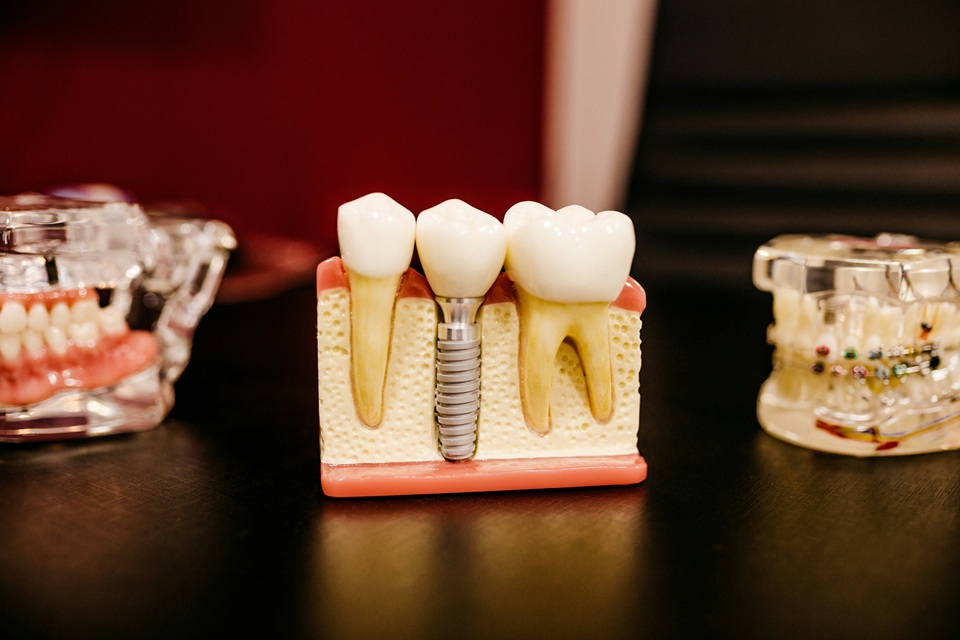
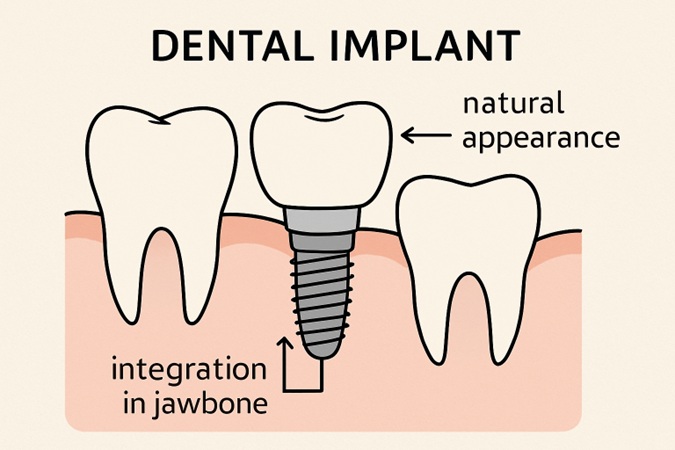
Dental implants are artificial tooth roots, typically crafted from titanium or innovative ceramic materials, that are surgically placed into the jawbone. Dental implants Murphy, TX have become a popular and reliable solution for those looking to restore their smile with lasting results. Once securely anchored, these implants provide steady support for crowns, bridges, or dentures, closely mimicking the feel and function of natural teeth. The underlying principle is osseointegration, a process where the implant fuses with the bone, creating a foundation that can withstand daily oral forces for decades.
Advancements In Implant Materials
Recent technological advancements have significantly improved the materials used in dental implants. Titanium remains the gold standard for biocompatibility and strength, but zirconia implants are now gaining traction among those seeking a metal-free solution and more aesthetically pleasing outcomes. State-of-the-art surface modifications, such as femtosecond laser texturing, further enhance the bone integration rate and reduce recovery times. These surface enhancements have been validated in the scientific literature, demonstrating promising improvements in cellular attachment and wound healing.
The Implantation Process
Successful dental implant treatment involves several phases. The initial consultation includes a thorough assessment, a review of your medical history, and imaging to create a precise treatment plan. Here’s what patients can expect through the procedure:
- Consultation and Planning: Diagnostic tools, such as 3D imaging, aid in planning for optimal placement and ensure the jawbone is healthy enough to support an implant.
- Surgical Implantation: The implant post is carefully inserted into the jawbone, usually under local anesthesia. Minimal discomfort is expected as modern techniques favor minimally invasive approaches.
- Healing and Osseointegration: The bone gradually fuses with the implant over several weeks to a few months.
- Abutment Placement: A custom abutment, or connector, is installed to link the implant with the prosthetic tooth.
- Placement of Prosthetic: The permanent crown or bridge is attached, restoring bite and aesthetics.
 Benefits Of Modern Dental Implants
Exceptional durability is one of the key benefits of dental implants; when properly maintained, they can last a lifetime, significantly outlasting traditional bridges or dentures. Crafted to blend seamlessly with existing teeth, implants provide the confidence of a natural smile without the worry of slippage or discomfort. According to a detailed overview by Healthline on the benefits of dental implants, these implants also help preserve oral health by preventing bone loss and maintaining the stability of neighboring teeth, which supports overall oral wellness. Patients often experience improved functionality with restored biting and chewing efficiency, allowing for a diverse and unrestricted diet.
Caring For Your Dental Implants
Proper maintenance routines are critical for the long-term success of dental implants. Daily brushing and flossing help keep the surrounding tissues healthy, while professional cleanings and checkups help ensure the early detection of potential issues. It is also important to minimize habits that may damage implants, such as chewing on ice or hard objects. Adopting rigorous home care routines can maximize the lifespan of your dental restoration. For more information on best practices for oral hygiene, visit the Mayo Clinic. Regular care not only protects your investment but also supports your overall oral health. Staying consistent with these habits can make a significant difference in the longevity of your implants.
Potential Risks & Complications
While the success rate for dental implants is high, as with any surgical procedure, risks are associated with it. These may include infections, nerve or sinus injuries, or failure of the implant to fuse with the bone properly. The expertise of the dental professional, meticulous surgical technique, and adherence to post-operative instructions are vital in minimizing complications. Addressing any discomfort, swelling, or signs of infection promptly helps protect the investment you’ve made in your oral health.
Cost Considerations
The investment required for dental implants can vary greatly. Factors influencing the cost include the number of implants required, the type of restoration, bone quality, and regional differences in dental expertise. Comprehensive treatment plans should clearly outline all potential expenses, including imaging, surgery, and follow-up care. While upfront costs may be higher than other options, the long-term savings and added value—thanks to durability and minimal maintenance requirements—often justify the expense.
Choosing The Right Dental Professional
Results depend not only on technology but also on the skill and experience of the dental team. It is essential to select a provider who specializes in implantology, possesses a strong track record, and communicates treatment plans transparently. Patient reviews, verifiable credentials, and before-and-after case galleries can guide your choice, helping ensure a positive, predictable outcome without unnecessary stress.