
Key Takeaways:
- The best care setting depends on health needs, mobility, memory, preferences, and available family support.
- Families should compare services, staffing, safety information, communication practices, routines, and total costs.
- In-person visits often reveal important details that a website or rating cannot show.
- A care plan should support safety while protecting the older adult’s dignity, choices, and connections.
- Written cost information and admission policies should be reviewed before a final decision is made.
Choosing senior care in New York City can feel especially complex when families are balancing health needs, travel time, apartment living, hospital discharge plans, and a loved one’s personal routines. Whether a family is exploring home-based support, assisted living, rehabilitation, or skilled nursing facilities Manhattan, the strongest decision starts with a clear picture of what the older adult needs today and what may change over time.
In a city where relatives may live in different boroughs and medical appointments can require careful coordination, convenience matters. Still, location alone should not decide the outcome. The right setting should provide appropriate care, respectful communication, a manageable financial plan, and a daily environment where the person can feel safe and known.
Table of Contents
Start With The Care Setting
Begin by identifying the type of support that matches the situation. Home care may work for someone who can remain safely at home with scheduled help. Assisted living can suit people who need help with daily activities but do not require intensive nursing care. Short-term rehabilitation is often focused on recovery after illness, injury, or surgery. Skilled nursing care is designed for people who need ongoing nursing oversight, therapy, or more extensive personal assistance.
A recent hospital stay, fall, or diagnosis can change what is realistic. Ask the primary care provider, hospital discharge team, or social worker to explain the person’s medical needs, mobility limits, medications, and therapy goals before comparing options.
List The Older Adult’s Current Needs
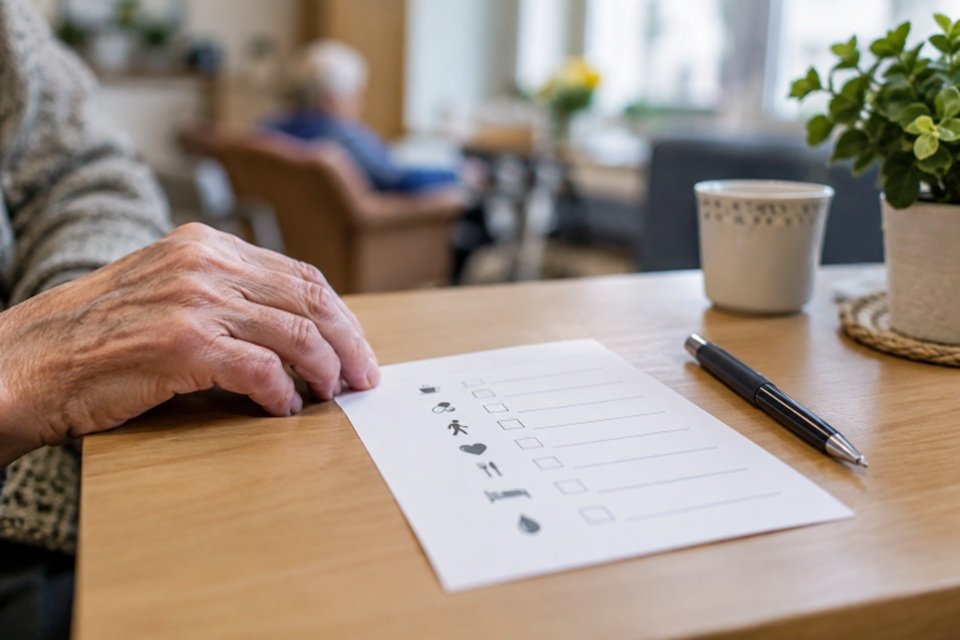
Create a simple written checklist before making calls. Include medication management, fall risk, wound care, transfers, walking assistance, nutrition, hydration, continence support, memory concerns, and any physical, occupational, speech, or swallowing therapy needs.
Also, record personal preferences. In New York City, a preferred neighborhood may make family visits easier, but room privacy, language, cultural traditions, dietary needs, religious practices, and access to meaningful activities deserve equal attention. A setting can meet clinical needs and still be a poor fit if it does not respect the person’s ordinary routines and identity.
Compare Medical & Support Services
Do not rely on a care label alone. Ask what services are actually available, when they are available, and who provides them. Families should ask whether nurses are present around the clock, how medical changes are assessed, how therapy goals are tracked, and how pain, falls, infections, or urgent concerns are handled.
It is also useful to ask about pharmacy coordination, specialist visits, dental and vision services, behavioral health support, transportation to appointments, and whether the setting can continue caring for the person if needs increase. A move is disruptive, so it is wise to understand the limits of care from the beginning.
Review Staffing & Communication
Daily care depends on the people providing it. Ask how many registered nurses, licensed practical nurses, and aides work during day, evening, and overnight shifts. Ask how absences are covered, whether staff members regularly work with the same residents, and how the team responds during busy periods.
Communication should be equally clear. Find out who handles medical questions, billing concerns, and day-to-day updates. Ask when care-plan meetings occur and how quickly the family will be told about a fall, injury, medication change, emergency transfer, or meaningful change in condition.
Check Quality & Safety Information
Public records can help families prepare better questions. New Yorkers can review available inspection findings, complaints, staffing information, and quality details through the New York State nursing home profiles. Look for patterns over time rather than excluding an item on its own.
Online reviews may offer useful context, but they cannot replace direct observation. Consider how the setting’s staffing, services, and experience align with the person’s particular needs, especially when there are complex conditions, memory changes, or frequent medical appointments.
Use A Facility Visit Checklist
What To Observe
- Are common spaces clean, comfortable, and easy to navigate for people using mobility aids?
- Do residents appear comfortable, engaged, and treated respectfully?
- Are call systems, handrails, lifts, and mobility equipment accessible?
- Does the dining area seem organized, calm, and welcoming?
- Do staff members acknowledge residents and respond to requests?
- Are there quiet areas, activity spaces, or outdoor access when appropriate?
Visit More Than Once
If possible, visit at different times. A weekday morning, an evening, and a visit during a meal or activity may provide a fuller sense of the setting’s rhythm. Bring the older adult to our tour whenever possible so their reaction is part of the decision.
Look Beyond Medical Care
Quality of life is not separate from care. Review the activity calendar and ask whether residents can shape activities. Ask about music, art, exercise, reading, celebrations, cultural programs, spiritual support, and opportunities to spend time with family and friends.
Ask whether residents can maintain personal routines, keep familiar belongings, and choose how to spend portions of their day. Also ask how staff respond when someone seems lonely, anxious, withdrawn, or reluctant to join group activities.
Plan For Costs & Coverage
Request a written estimate that explains what the daily or monthly rate includes and what may incur an extra charge. Review deposits, billing practices, refund policies, transportation charges, supplies, and discharge procedures. Families should also confirm which insurance plans are accepted and how private funds, long-term care insurance, Medicaid, or Medicare may apply.
Medicare coverage for skilled nursing facility care depends on the person’s eligibility, medical circumstances, and the covered service. Confirm current coverage details with Medicare, the insurer, or a qualified benefits adviser before assuming that a stay will be covered.
Ask These Questions Before Admission
- What needs can this setting safely support?
- How is the individual care plan created and updated?
- Who communicates with the family, and how often?
- What happens if the resident’s condition changes?
- How are emergencies and hospital transfers handled?
- What are the visiting expectations and transportation options?
- Can the resident bring personal furniture or familiar belongings?
- What documents, assessments, and payment arrangements are required for admission?
Make The Decision Based On Fit
The best option is not automatically the newest, closest, or most heavily advertised. It is the one that can meet the older adult’s care needs while supporting safety, personal preferences, family involvement, and financial reality. Create a comparison sheet with five categories: care, staff, safety, daily life, and cost. Recording answers and follow-up questions can make a difficult New York City care decision more manageable and more personal.