
Key Takeaways:
- Regular roof inspections can identify minor issues before they escalate into major problems.
- Seasonal maintenance tasks, such as cleaning gutters and removing debris, are essential to the longevity of a roof.
- Implementing a proactive maintenance plan can lead to significant cost savings over time.
Staying ahead of costly roof repairs begins with proactive maintenance. Regularly inspecting, cleaning, and caring for your roof helps you catch potential problems before they become expensive repairs. Homeowners who make roof maintenance a priority, whether on their own or through trusted professionals like Assist Roofing, often see fewer surprises and enjoy longer roofing lifespans.
Roofs are exposed to the elements every day, and even minor issues like loose shingles or clogged gutters can quickly turn into severe damage if left unaddressed. Developing a routine for inspections and seasonal maintenance is key to protecting your investment. By dedicating time and attention to your roof, you not only extend its life but also prevent avoidable repair costs that can strain your budget.
Adopting preventative care not only safeguards your property but also provides peace of mind. Regular checks and timely intervention are the most effective ways to defend against water leaks, mold growth, and structural weakening. For those unfamiliar with roof care best practices, working with professionals who deliver comprehensive services ensures nothing is missed during maintenance or repairs.
Many homeowners underestimate the value of detailed roof records and scheduled upkeep. Documenting every inspection and repair, as recommended by the National Roofing Contractors Association, can help track patterns and forecast when future maintenance or replacements are due. Consistency in these efforts truly makes a difference over the life of your roof. For additional tips on long-term roof care, visit the Family Handyman Roof Maintenance Guide.
Table of Contents
Importance Of Regular Roof Inspections
Regular roof inspections should be scheduled at least twice a year, ideally in the spring and fall. This timing ensures that your roof is prepared for extreme weather while allowing you to address issues that may emerge during the harshest seasons. During an inspection, check for missing, warped, or damaged shingles, loose flashing, and blocked gutters. Never ignore soft spots or discolored patches, as they can indicate trapped moisture or decay. If you’re not comfortable climbing onto the roof, consider hiring a licensed inspector. Their trained eye can spot things most homeowners overlook, while their professional assessment can guide repair decisions to prevent future costs.
Seasonal Maintenance Tasks
As the seasons change, your roof faces a variety of threats. In the spring, clear away winter debris, inspect for shingle and sealant damage, and make sure gutters are free-flowing. Summer heat can cause roofing materials to expand, crack, or even curl, so ensure ventilation is unobstructed to allow your attic and roof to breathe. In the fall, leaves and branches can clog gutters and trap moisture, making it critical to clean them thoroughly. During the winter months, keep an eye out for ice dams and snow buildup, both of which can cause leaks and structural damage if left unchecked. Quick responses to these seasonal risks help you avoid larger repairs down the line.
 Addressing Common Roofing Issues
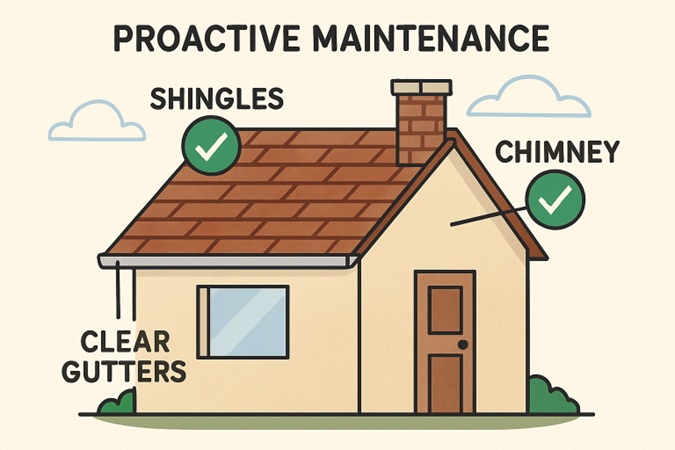
The most frequent roofing problems homeowners encounter include worn or missing shingles, deteriorated flashing, and clogged gutters. Any of these issues left unresolved can lead to significant water intrusion, insulation damage, and even mold problems. Replacing a few shingles at the first sign of trouble is far less costly than repairing water damage or mold remediation. Make gutter clearing part of your to-do list, especially in spring and fall, to support proper water drainage and reduce the risk of rot. Regularly check areas around chimneys, skylights, and vents, as compromised flashing is a leading cause of roof leaks.
Benefits Of Proactive Maintenance Plans
Investing in a structured maintenance plan comes with clear benefits. Preventative care keeps your roof in good condition, extends its lifespan, and maintains your property’s value. Emergency repairs not only incur high costs but also cause greater disruption to your day-to-day life. By focusing on routine checkups and immediate minor fixes, homeowners can avoid surprise bills and keep their homes safe. Over time, adhering to a consistent maintenance schedule significantly reduces the risk of costly repairs and offers a better return on investment for the roof.
Cost Savings Through Preventive Care
Preventive maintenance can drastically reduce long-term roofing costs. It’s estimated that each dollar spent on scheduled care saves up to four dollars in unplanned repairs. Simple acts like removing debris, clearing gutters, and resealing flashing extend the service life of roof materials and prevent breakdown. Professional inspections can be a wise use of your budget because they reveal problems early, allowing you to resolve them at minimal cost and inconvenience. Ventilation and insulation upgrades are also cost-effective solutions that keep your roof performing well year after year.
Implementing A Maintenance Schedule
Selecting set dates for professional inspections and self-checks will ensure nothing is overlooked. Keep a maintenance journal and retain all receipts and reports. Record every inspection, repair, and expense to help identify trends or recurring issues. Address minor repairs immediately to prevent them from escalating into larger, more expensive jobs. Use reminders or online calendars to track task frequency and adjust your schedule based on the results of previous inspections or changes in your local climate. Following a consistent checklist is the best way to maximize your roof’s life and performance.
Professional Assistance & Inspections
Many important roofing tasks are best left to experienced contractors. Professionals have the skills and equipment to safely access roofs, identify subtle signs of deterioration, and perform repairs with precision. Finding a reputable company with solid reviews and verified experience is essential. Trusted contractors tailor their assessments and recommendations to your specific roof type and local weather conditions, providing a game plan for both routine care and significant work. Schedule annual professional visits and do not hesitate to ask for expert advice when handling leaks, damaged sections, or pest evidence.
Conclusion
Proactive roof maintenance is the foundation of smart homeownership. Regularly scheduled inspections, seasonal chores, and prompt repairs all contribute to greater roof durability, fewer emergencies, and substantial cost savings. Whether you manage your efforts or rely on professional teams, taking action protects your property and delivers long-term value. By committing to a maintenance routine and engaging roofing specialists as needed, you ensure your roof continues to protect your home and investment, season after season.