

Key Takeaways:
- Conduct regular inspections and maintenance to catch problems early.
- Always know where your main water shut-off valve is located.
- Proper water heater care helps prevent malfunctions and unexpected breakdowns.
- Stay vigilant about what goes into your drains to avoid clogs and backups.
Homeowners know that plumbing disasters can result in major headaches, unexpected expenses, and even water damage to their property. Fortunately, taking a proactive approach to caring for your plumbing system will greatly reduce the risk of costly problems. If issues arise unexpectedly, having a reliable emergency plumber Tulsa in your contacts can provide fast, professional help. This guide explores practical steps homeowners can take to protect their homes and plumbing fixtures from unexpected failures.
Plumbing isn’t just about pipes. It involves every water-using device, appliance, and fixture in the house. Knowing how to prevent plumbing failures not only saves money but also preserves your home’s value and provides peace of mind.
By learning basic preventive strategies and maintenance routines, you can keep your water running smoothly and avoid many common crises that catch homeowners off guard. Simple habits can mean the difference between a minor inconvenience and a major home disaster.
Table of Contents
 1. Know Your Main Water Shut-Off Valve
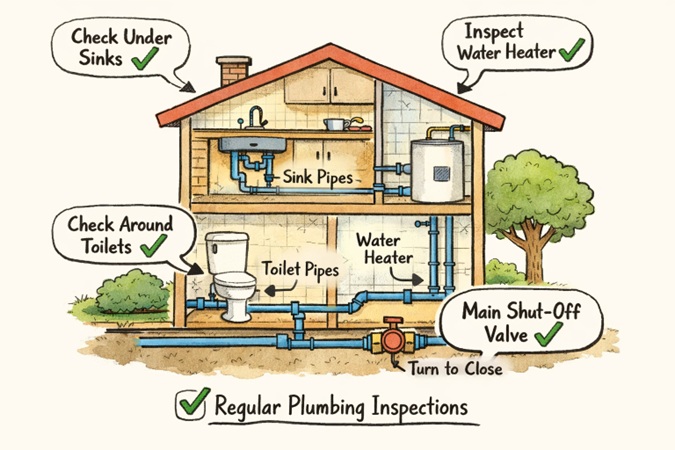
The main water shut-off valve is your first defense against major leaks and burst pipes. In an emergency, quickly shutting off the water supply minimizes potential damage. Make sure every member of your household knows both where the valve is located and how to operate it. Regularly testing the valve ensures it will work when needed.
2. Regularly Inspect For Leaks
Even a single dripping faucet can waste gallons of water and cause long-term damage to cabinets, floors, or walls. Take time each month to inspect all visible plumbing, especially under sinks, behind appliances, and around toilets, for any signs of water accumulation, discoloration, or musty smells. Early detection and prompt repair help prevent routine leaks from turning into expensive disasters.
3. Maintain Your Water Heater
Hot water is essential for daily comfort. Yet, water heaters are often overlooked during home maintenance. Sediment buildup in the tank reduces efficiency and can lead to malfunctions or leaks. Flushing the tank once a year and checking the temperature and pressure relief valve can significantly extend the lifespan of your unit. For more expert advice and maintenance checklists, see Family Handyman’s water heater guide.
4. Prevent Frozen Pipes
Freezing temperatures can wreak havoc on your home’s plumbing. Water expands when frozen, and pipes that are not insulated may burst, spilling gallons of water into your home. To prevent this, insulate all exposed pipes in unheated areas, such as basements, attics, and crawl spaces. On especially cold nights, keeping cabinet doors open in kitchens and bathrooms helps warm air circulate around your pipes. Allowing faucets to drip slightly keeps water moving through the system, further reducing the risk of freezing.
5. Be Mindful Of What Goes Down The Drain
Most stubborn blockages result from putting the wrong things down drains. Grease, food particles, coffee grounds, and hair are among the main culprits of clogs. Be diligent about flushing only waste and toilet paper, and use drain guards in showers and kitchens to catch loose debris. Regularly clean these guards to maintain efficient water flow.
6. Test Water Pressure
High water pressure puts unnecessary stress on your pipes, fixtures, and appliances. This increased strain can eventually cause leaks or bursts. Purchase an inexpensive pressure gauge from a hardware store and test your water pressure yourself. If you consistently get readings over 60 psi, consider installing a pressure regulator. This simple device protects your plumbing and increases the lifespan of your system.
7. Schedule Professional Inspections
Even with the best DIY habits, some issues are best caught by a professional plumber. Consider setting up an annual inspection to have an expert evaluate your plumbing system. Professionals can detect leaks, corrosion, and wear in hard-to-reach areas you might miss and recommend repairs before they escalate. This proactive approach prevents small, inexpensive fixes from growing into larger, costlier problems down the road.
8. Prepare Before Vacations
Taking time to prepare your plumbing before heading out for an extended trip can keep your home safe while you’re away. Turn off the main water supply to reduce any risk of leaks. Drain the pipes by running water from the faucets, and set your water heater to vacation mode or switch it off to save energy. Refer to this helpful vacation plumbing checklist from Tom’s Guide for a detailed step-by-step guide.
Consistent habits and timely checks are keys to preventing home plumbing disasters. By staying vigilant and performing routine maintenance, you will safeguard your home, reduce repair costs, and enjoy uninterrupted comfort year-round.
Conclusion
Taking a proactive approach to plumbing maintenance is essential for protecting your home from unexpected damage and costly repairs. By understanding your system, performing regular inspections, and adopting simple habits, like monitoring water pressure and preventing clogs, you can significantly reduce the risk of plumbing emergencies. Combining these efforts with periodic professional inspections ensures that hidden issues are caught early and addressed effectively. In the end, consistent care and preparation not only preserve your plumbing system but also provide lasting peace of mind and year-round comfort.