
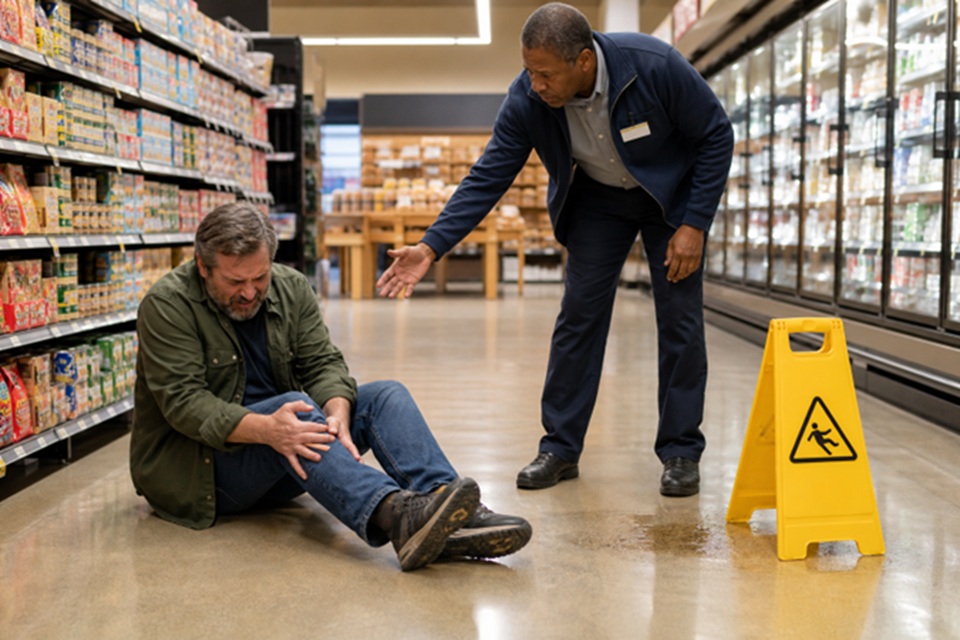
Unsafe conditions on a store floor, apartment walkway, parking lot, office building, or public sidewalk can turn an ordinary visit into a painful and disruptive event. A spill left unattended, a loose handrail, inadequate lighting, or broken pavement may cause a fall that leads to fractures, concussions, soft-tissue damage, or lasting back pain. For people trying to understand their options after an accident, legal experts at https://phillyslipandfallguys.com can offer useful starting information.
Property negligence generally involves a failure to reasonably inspect, maintain, repair, clean, or warn people about a dangerous condition. Not every injury proves negligence, but documenting what happened and seeking appropriate care can help preserve an accurate account while the facts are still fresh.
Table of Contents
Why Fast Action Matters After A Fall
Hazardous conditions can disappear quickly. Employees may mop a spill, a contractor may repair a cracked step, snow may melt, or a manager may move a warning cone after an incident. Early action can help establish when and where the accident occurred, what caused it, and whether anyone saw the dangerous condition beforehand.
Falls are not minor events simply because they are common. The U.S. Bureau of Labor Statistics reported 479,480 private-industry cases involving days away from work due to falls, slips, and trips in 2024. Still, collecting evidence should never take precedence over emergency care or personal safety.
Check For Injuries Before Moving
After a hard fall, resist the urge to stand up immediately. Pain, shock, embarrassment, or the pressure to get out of the way can cause someone to overlook a serious injury. If there is severe pain, numbness, dizziness, confusion, heavy bleeding, trouble breathing, or a possible head, neck, or spinal injury, call 911.
- Ask a nearby person to stay with the injured individual if possible.
- Avoid moving the neck or back after a significant impact unless there is immediate danger.
- Pay attention to delayed symptoms, including headaches, swelling, weakness, nausea, or worsening pain.
- Do not assume an injury is minor solely because there is no visible bruise or cut.
Report The Incident To The Right Person
Notify the person or organization responsible for the location as soon as reasonably possible. In a retail setting, ask to speak with a manager. In an apartment or office building, notify the landlord, property manager, maintenance office, or security desk. A parking lot or shopping center may be managed by a separate company, while an incident on public property may need to be reported to the relevant government agency.
Request that an incident report be created, then write down the name, job title, and contact information of the person who received the report. If a report number is available, save it. Review the information for accuracy before leaving, but do not feel pressured to speculate about fault or describe injuries that have not yet been evaluated.
Document The Scene Before It Changes
If it is safe to do so, take photos or videos from multiple angles. Start with wide shots that show the overall location, then take close images of the specific hazard. A complete record may show more than the immediate cause of the fall.
- Water, ice, loose mats, debris, broken steps, uneven pavement, or damaged flooring.
- Lighting, entrances, exits, stairs, handrails, and nearby security cameras.
- Warning signs, cones, barriers, or the absence of clear warnings.
- The shoes and clothing worn at the time of the accident.
- The weather, time of day, and exact location for an outdoor fall.
Collect Witness & Property Details
Witnesses can be especially important because an injured person may not remember every detail during a stressful event. Politely ask anyone who saw the fall or noticed the condition beforehand for their name and phone number. Write down what they observed without asking them to assign blame or take sides.
Also note employee names, uniforms, nearby business names, vehicle or maintenance equipment numbers, and the full street address. Specify the exact location, such as “outside the north entrance,” “near aisle seven,” or “at the bottom of the west stairwell.” Specific details are more useful than a general description later.
Get Medical Care & Follow The Treatment Plan
Prompt medical attention protects health and creates a contemporaneous record of symptoms. Some injuries become clearer over time, including concussions, ligament tears, fractures, nerve damage, and back injuries. Describe how the fall occurred, where the pain is located, and when the symptoms began. Follow treatment recommendations, attend follow-up appointments, and keep a daily note of pain levels and activity limitations.
The potential consequences of falls can be severe. The Centers for Disease Control and Prevention lists 48,308 unintentional fall deaths in the United States during 2024. Most falls are not fatal, but this data underscores why medical concerns should be taken seriously.
Preserve Important Evidence
Save items and records that may help explain both the dangerous condition and the injury’s impact. Do not wash, repair, discard, or alter the shoes and clothing worn during the incident until their relevance has been considered.
- Shoes, clothing, glasses, bags, phones, and other damaged belongings.
- Medical bills, visit summaries, prescriptions, imaging results, and receipts.
- Photographs, videos, incident reports, and witness contact details.
- Pay records showing missed work, reduced hours, or lost opportunities.
- Emails, letters, text messages, and voicemails connected to the event.
Handle Insurance Contact With Care
An insurance adjuster may ask for a statement, photographs, medical authorizations, or a recorded interview. Provide basic information honestly, but avoid guessing about unclear details. Do not minimize pain merely because recovery is uncertain, and read every document carefully before signing.
Keep copies of all forms and communications. A final release or settlement may affect the ability to seek additional payment later, so it can be wise to seek legal or consumer guidance before accepting terms that permanently resolve the matter.
Who May Be Responsible?
Responsibility can depend on the facts and the type of property involved. Important questions often include who owned or controlled the area, how long the hazard existed, whether routine inspections could have found it, and whether a visible warning was provided. Weather, construction, cleaning practices, poor lighting, and maintenance contracts can also matter.
A store owner, landlord, tenant, property manager, contractor, employer, or public agency may have different duties depending on the location. Local laws and filing deadlines can vary, particularly for claims involving government-owned sidewalks or buildings.
Common Questions About Fall Injuries
What if the fall did not seem serious at first?
Delayed pain does not automatically mean the injury is unrelated. Seek medical evaluation if symptoms appear or worsen, and record when they began.
What if there were no witnesses?
Witness testimony can help, but it is not the only evidence. Photos, video footage, maintenance records, incident reports, and medical documentation may also be relevant.
What if the injured person may have been partly at fault?
Do not decide the outcome based on embarrassment or self-blame. The facts may be more complex, and local rules can affect how shared responsibility is evaluated.
A Simple 24-Hour Checklist
- Get emergency help when needed.
- Report the incident to the appropriate person or agency.
- Photograph the hazard and surrounding conditions.
- Collect witness names and contact details.
- Seek medical care and follow instructions.
- Save clothing, shoes, records, bills, and messages.
- Write down the time, weather, location, and sequence of events.
- Review documents carefully before signing a final release.
Conclusion
Property negligence can create preventable dangers with serious physical, emotional, and financial consequences. Safety and medical care should always come first. Once immediate needs are addressed, timely reporting, clear documentation, organized records, and careful communication can help preserve the facts surrounding the injury.