

Key Takeaways:
- Flooring impacts more than looks—it influences comfort, durability, and daily life.
- Assess how each room is used to choose flooring that fits the function and lifestyle.
- Options like hardwood, laminate, LVP, tile, and carpet each offer unique benefits.
- Eco-friendly materials like bamboo, cork, and reclaimed wood support sustainability goals.
- Balancing cost, maintenance, and long-term value ensures smarter flooring investments.
Choosing the right flooring is more than just a practical consideration—it’s a decision that influences your home’s beauty, comfort, and long-term functionality. The materials you select underfoot not only set the tone and ambiance of every room but also play a pivotal role in how inviting and resilient your space feels. Flooring becomes part of the fabric of daily life, supporting every family gathering, quiet evening, and morning routine. Today’s flooring choices are so varied and customizable that they can seem overwhelming; this is where the guidance of dedicated professionals like Artisan Flooring of NC becomes invaluable. Their experience can help you pinpoint flooring solutions that align perfectly with your household’s rhythms, fitting not just your design aspirations but your daily needs as well.
Each area in your home—from bustling entryways to serene bedrooms—has specialized requirements to consider. Flooring serves as the backdrop to your family’s life, and making thoughtful choices means less stress, easier cleaning, and a more harmonious living environment for years ahead. By investing time upfront to assess how your family uses each space, you can create interiors that are both practical and personally satisfying, eliminating common frustrations and reducing maintenance headaches down the road.
Table of Contents
Assessing Your Household’s Needs
Before you begin browsing samples or viewing inspiration boards, take a step back and analyze how your family really uses each room. Is the kitchen command central for baking projects, homework, and entertaining? Is your living room a haven for pets or little ones? Are allergies or sensitivities a concern? Determining how much foot traffic, moisture, or roughhousing each space will experience helps you match each room with the right material for its role. This stage is less about style and more about lifestyle, ensuring that your investment in flooring delivers both longevity and satisfaction.
- High-Traffic Areas: Durability is non-negotiable in spots like entryways, mudrooms, and kitchens. These zones are exposed daily to muddy shoes, pet claws, accidental spills, and constant coming and going. You’ll want sturdy materials that shrug off scratches, stains, and dents. Ceramic tile, hardwood, and luxury vinyl plank (LVP) are notable for their toughness, with finishes that enhance resilience while staying simple to clean. These types of flooring withstand the rigors of everyday living while still looking sharp and welcoming.
- Children and Pets: Kids and pets inject energy—and often chaos—into any household. In these situations, your floors need to endure play, spills, and the extra wear of claws or toys. Laminate, LVP, and durable tile provide a worry-free foundation that’s tough to scratch, easy to mop, and comfortable for busy families. Their protective layers even help minimize visible scuffs, ensuring your living spaces remain visually appealing and fun-friendly.
- Allergy Concerns: Allergies are increasingly common, and flooring can either trap or repel dust, pollen, and pet hair. If family members are sensitive, it’s wise to invest in hypoallergenic surfaces such as hardwood, tile, or LVP. These materials are smooth, non-porous, and don’t harbor allergens, making daily cleaning straightforward and helping everyone breathe easier.
 Exploring Flooring Options
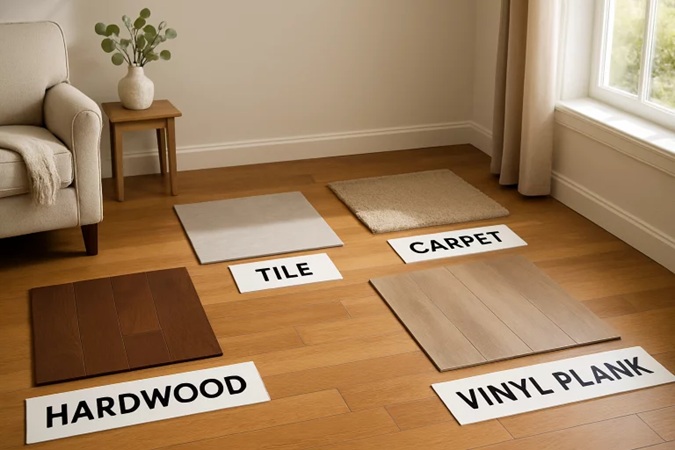
Once you’ve clarified your needs, it’s time to explore specific flooring materials. Each option offers a distinct set of strengths, balancing durability, comfort underfoot, design flexibility, and maintenance requirements. Reviewing the pros and cons helps ensure each space gets the flooring it deserves, perfectly matched to function and style.
- Hardwood: Widely regarded for its warmth, natural elegance, and ability to raise home values, hardwood floors are appealing in any room where a classic look is desired. They’re durable with proper maintenance, but are vulnerable in areas with significant moisture or heavy use. Bedrooms, dining rooms, and living spaces benefit from hardwood’s charm and possibility for refinishing, but entryways and bathrooms may call for tougher alternatives.
- Laminate: Laminate offers a budget-wise substitute for hardwood or stone, with advanced imaging and textures that convincingly mimic costly materials. It stands up well to knocks, scratches, and even the chaos of energetic households. The array of finishes and quick installation make it perfect for updating homes without major renovation costs or downtime.
- Luxury Vinyl Plank (LVP): LVP is a powerhouse option where resilience meets style. It convincingly emulates wood or stone and provides excellent water resistance, making it ideal for kitchens, mudrooms, bathrooms, or family zones prone to splashes and spills. Its soft surface is gentle on joints and forgiving to dropped objects, making it a highly practical solution.
- Tile: Both ceramic and porcelain tiles are paragons of durability, especially useful in spaces that battle moisture like bathrooms, laundry areas, and kitchens. Tile is cool underfoot—an advantage in warm climates—and offers endless design possibilities through color, texture, and pattern. Maintenance is minimal, usually restricted to sweeping and the occasional mopping.
- Carpet: When comfort is paramount, consider bedrooms, nurseries, or family dens; carpet reigns supreme. It softens falls, muffles noise, and insulates spaces, creating a cozy and quiet environment. However, carpets demand regular vacuuming and occasional deep cleaning, especially in homes with pets or allergy sufferers.
Considering Sustainability
Eco-conscious buyers are seeking out flooring that not only serves their homes but also respects the planet. Modern sustainable flooring options combine beauty, function, and ethical sourcing, so you can tread lightly without sacrificing performance or style. Look for products certified for low emissions or made from renewable resources, supporting both green living and healthy indoor air quality.
- Bamboo: Bamboo grows to maturity in just a few years, making it an ideal renewable resource. It’s harder than many hardwoods, resistant to swelling and contraction, and boasts a contemporary visual appeal. Bamboo flooring stands as a durable, green choice for modern homes.
- Cork: Cork flooring is made from the bark of cork oak trees, harvested in a sustainable manner that allows the tree to continue growing. The result is a soft, impact-absorbing floor that’s comfortable, naturally insulating, and distinctive in its appearance.
- Reclaimed Wood: Salvaged from aged barns and historic buildings, reclaimed wood provides a unique story, charm, and sustainability. Each plank is rich in character, offering elements of history while reducing the need for new lumber harvesting.
Budget & Maintenance
Flooring is a long-term investment, so you’ll want to balance the upfront price with ongoing costs and realistic maintenance requirements. While it’s tempting to focus solely on aesthetics or price, the best value comes from floors that retain their beauty and function with manageable care, fitting your schedule as well as your wallet.
- Initial Investment: More durable and premium materials, such as hardwood or tile, require a bigger initial investment, but their longevity often justifies the cost. On the other hand, laminate and LVP provide the aesthetics of luxury at a lower entry price, permitting style upgrades without overwhelming your budget.
- Maintenance: Evaluate how much time you can devote to floor upkeep. Hardwood will need periodic refinishing and careful cleaning, while tile and LVP are largely stress-free, requiring little beyond regular sweeping and the occasional deeper scrub. Resilient choices free up time for enjoyable activities and keep your home looking sharp.
Room-Specific Recommendations
Not every flooring is right for every room. Tailoring your flooring to meet the functional and sensory needs of each area optimizes comfort, safety, and style across your home.
- Living Areas: Hardwood and LVP are favored for their attractiveness and adaptability to different decors. They provide years of service and visual appeal in spaces where families gather, entertain, or relax.
- Kitchens and Bathrooms: These moisture-prone zones benefit from tile or waterproof LVP, ensuring your floors stay looking their best despite daily spills or humidity.
- Bedrooms: Plush carpeting is ideal for restful retreats. It envelops your feet in softness when you wake or wind down. Its cozy texture and warmth create a true haven for relaxation.
Final Thoughts
Choosing the right flooring is ultimately about aligning form with function—bringing together your lifestyle, design vision, and long-term goals for your home. By thoughtfully evaluating the demands of each space, exploring the full range of material options, and factoring in maintenance and sustainability, you ensure every step in your home is supported by a foundation that’s both beautiful and practical. Whether you’re accommodating pets, reducing allergens, or simply seeking warmth and elegance, today’s flooring innovations offer smart solutions for every need. With expert advice from professionals like Artisan Flooring of NC, the process becomes less daunting and more rewarding. Their tailored guidance can help you make confident decisions that enhance your home’s comfort, value, and overall harmony. In the end, well-chosen flooring doesn’t just elevate your interior—it elevates your daily living.

