
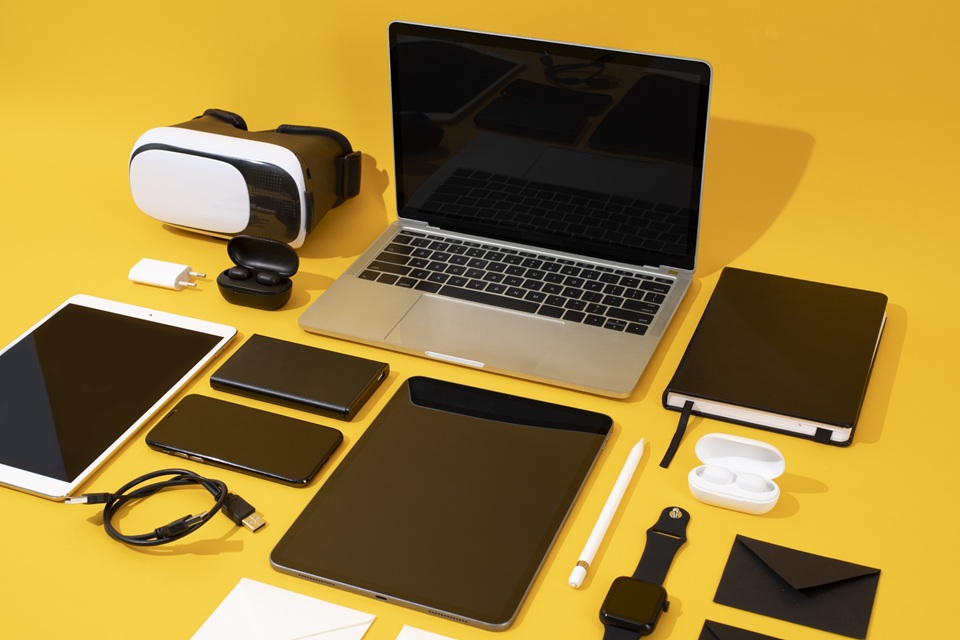
Smart devices have shifted from a futuristic vision to a present-day reality and have come to shape facets of everyday living. Through advanced developments, consumer electronics services deliver flowing comfort, efficiency, and safety. These advancements are not solely an add-on comfort, but a critical feature providing valued benefits from daily living experiences. transforming everyday lifestyles.
As technology is evolving rapidly, consumers are constantly searching for ways to make their homes more connected with smart devices. But, with so many options, getting started on a smart device journey can be difficult for consumers to decide on where to start and which solution will meet their needs. It is important to understand the trends shaping the future of smart home integration to make the best decisions, because buying smart can reap the benefits of convenience, sustainability, and protection.
Table of Contents
Why Smart Consumer Electronics Solutions Are More than A Convenience?
Smart device technology isn’t only about switching on lamps with a mobile. It’s about turning into a core part of sustainability, protection, and everyday living standards. Consumers can gain tangible gains with consumer electronics manufacturing solutions through power savings, stronger safety setups, and better personal health. From digital locks to air-quality trackers, intelligent devices are helping people live with more ease and accountability.
In addition, connected homes are driving age-in-place programs, giving senior residents the chance to stay in their houses longer through automation and remote tracking. These upgrades allow people to remain self-reliant with pride and assurance, no matter their age or physical limits.
6 Smart Devices That Shape The Future Of Consumer Electronics
1. AI-Driven Predictive Home Control
Next-gen consumer electronics consulting uses artificial intelligence systems to learn users’ daily habits and automatically fine-tune their home environment without manual input. Unlike older smart homes that need heavy setup and schedules, AI-enabled systems study usage patterns and make smarter choices.
They know when users usually arrive home, their preferred temperature at different times, and even anticipate needs by analyzing weather changes and calendar events. With unpredictable seasonal conditions, AI excels at adjusting heating and cooling efficiently, handling everything from humid summers to cold winters.
2. Solar Integrated Smart Devices Network
Energy-aware smart devices create an integrated system that tracks, manages, then optimizes the use of energy around our homes, including solar panels, storage batteries and EV charging
It enables consumer electronics services to track energy use for every device in real-time and make improvements. It also helps in automatic load adjustment to cut peak-time utility fees.
3. Health & Wellness Tracking Systems
Smart devices now play a vital role in wellness monitoring by tracking air quality, sleep cycles, stress indicators, and overall health metrics. Electronics manufacturing solutions design wearables in a way to sync with home hubs that can check vital signs and alert doctors in emergencies.
In addition, these systems are working to monitor allergens, toxins and other environmental triggers to make our living spaces healthier. At every age, improved health is important, and with children, elderly family, or anyone with breathing difficulties, it is even more imperative to create healthier living families and better outcomes.
4. Modern Home Security Devices With Self-Governing Features
Security systems of the new era are moving from simple observation to independent protection and active response. Driven by advanced consumer electronics solutions, these setups go far beyond ordinary cameras and alarms. They now involve self-flying drones, smart threat recognition, and predictive defense measures.
It has key features like,
- AI-driven facial recognition that tells apart family, visitors, and intruders
- Predictive threat scanning that detects unusual actions before danger strikes
- Connection with local police and emergency responders
- Digital locks with fingerprint access and temporary codes for service staff
5. Voice-First Home Control
Advanced voice command systems now make connected living easy for every age group and skill level. Consumer electronics services use AI-driven voice technology to go beyond simple one-word orders into natural, conversation-style interactions.
Current systems grasp context, remember user choices, and manage multi-step requests. The value lies in ease of use, wider accessibility, smoother daily tasks, and better energy savings.
6. 5G-Powered Smart Home Networks
5G-based networks provide rapid and steady connections for connected homes, boosting gadget efficiency and unlocking a new wave of applications. Consumer electronics consulting uses ultra-fast 5G signals for instant communication between devices and creates fresh possibilities for home automation.
Bottom Line
The future of the smart device industry is set to expand greatly in size and advancement. More users will rely on connected lighting, smart appliances, and integrated control systems. It may also create a surge in AI-powered subscription models, where homeowners pay for constant improvement of their living environment. These services may include live air-quality checks, appliance health reports, and even predictive maintenance alerts.
Moreover, regulation will also play a bigger role in shaping the future of consumer electronics solutions. Governments worldwide are considering rules for energy-efficient equipment and minimum safety standards for IoT products. These measures will push producers to innovate responsibly and openly.
When consumer electronics services design solutions to match users’ needs, they can thrive while improving comfort, safety, and sustainability.