
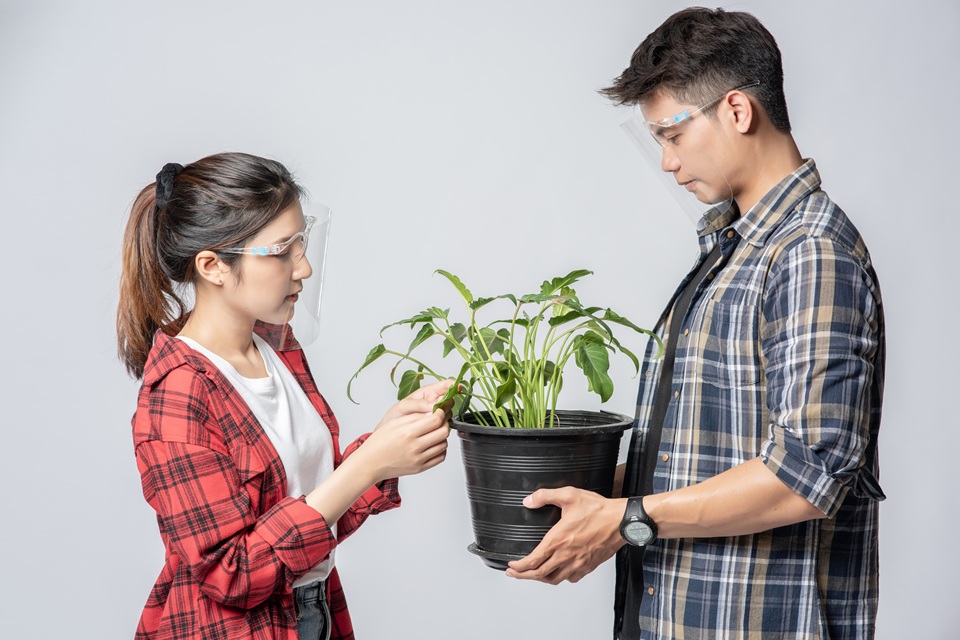
On a gray afternoon, when the news cycle feels relentless and motivation runs thin, it’s not uncommon to hear someone say they bought a plant “just to feel something grow.”
What sounds like a throwaway comment is, in fact, part of a quiet shift happening in homes around the world. Houseplants have moved beyond décor and into something more personal, more emotional. For many, they’ve become a small but steady companion during difficult mental health seasons.
This isn’t about miracle cures or glossy wellness trends. It’s about how everyday rituals, like watering a pothos or watching a new leaf unfurl, can anchor people when their thoughts feel scattered. In an era of burnout, isolation, and constant digital noise, the simple presence of greenery indoors is offering something many didn’t realize they were missing.
Table of Contents
Why Plants Became Emotional Support Objects
Mental health professionals are quick to clarify that houseplants are not a replacement for therapy or medication. Still, research has consistently shown that interaction with nature, even in small doses, can reduce stress, improve focus, and elevate mood. That’s where the growing interest in houseplants for depression enters the conversation.
For people experiencing depression, days can blur together. Tasks feel overwhelming. Time stretches uncomfortably. Caring for a plant introduces a gentle sense of structure without pressure. A plant doesn’t demand productivity, perfection, or constant attention. It simply responds when cared for.
There’s also something quietly reassuring about tending to another living thing. Watering a plant, checking soil moisture, or rotating it toward the light creates a reason to pause. Those moments, while small, can interrupt cycles of rumination and provide tangible proof that effort leads to visible change.
The Psychology Of Watching Something Grow
One reason plants resonate so deeply is that growth is observable. In a culture obsessed with immediate results, plants operate on a slower timeline. They remind us that progress often happens gradually, almost invisibly, until one day it’s undeniable.
Psychologists point to this as a form of behavioral activation, a technique often used in depression treatment. The idea is simple: engaging in manageable, meaningful activities can help improve mood over time. Plant care fits neatly into this framework. It’s low-stakes, repetitive, and rewarding in subtle ways.
Unlike many hobbies, plants don’t punish inconsistency. Miss a day or two, and most will forgive you. That forgiveness can be especially important for people who already feel weighed down by guilt or self-criticism.
Not All Plants Are Created Equal
While social media might suggest that everyone should own a towering fiddle leaf fig, reality tells a different story. For someone navigating depression, high-maintenance plants can quickly turn from comfort to stress.
That’s why many mental health advocates recommend starting small. Snake plants, pothos, ZZ plants, and philodendrons are popular not because they’re trendy, but because they’re resilient. They tolerate low light, irregular watering, and learning curves.
Choosing the right plant isn’t about aesthetics alone. It’s about aligning expectations with energy levels. A plant that survives without constant vigilance reinforces a sense of capability rather than failure.
Plants As A Form Of Quiet Connection
Depression often isolates. Even when people are surrounded by others, they can feel profoundly alone. Houseplants, in their own way, offer companionship without social demand. They’re present, responsive, and steady.
For people living alone, plants can soften the silence. For those working from home, they can break the monotony of screens and artificial light. Some plant owners describe talking to their plants, not because they expect a response, but because the act itself feels grounding.
In a world that often equates worth with output, plants exist without justification. They don’t hustle. They don’t optimize. They simply are.
The Limits Of The Trend
It’s important to be honest about what plants can and cannot do. Depression is complex, and no amount of greenery can resolve systemic issues, trauma, or chemical imbalances on its own. Romanticizing plants as a cure risks minimizing the real work of mental health care.
But dismissing their value altogether misses the point. The benefit of houseplants isn’t dramatic transformation. It’s accumulation. Small moments of calm. Brief reminders of care. A sense of responsibility that doesn’t feel punitive.
Journalistically speaking, the story here isn’t about plants saving people. It’s about people finding small, accessible tools to coexist with their mental health challenges.
A Leaf At A Time
The resurgence of houseplants says less about aesthetics and more about longing. Longing for slower rhythms, for tactile experiences, for something alive that isn’t asking for more than we can give.
For some, a plant is just a plant. For others, it’s the reason they opened the curtains that morning. It’s a marker of time, a quiet witness to hard days, and occasionally, a reminder that growth can happen even when it feels impossible.
In the end, perhaps the appeal of houseplants isn’t that they fix anything. It’s that they sit with us while we figure things out—leaf by leaf, day by day.
If you want next steps, I can tighten it for SEO, adapt it to a specific publication, or make it sound even more reported and less reflective.