Energy infrastructure faces growing complexity today. Electricity demand rises constantly across the world. Utilities struggle to maintain high reliability now. Operational efficiency suffers due to interconnected systems. A modern grid digital twin provides an effective solution. The Gridvision platform provides clear paths for modernization. Managers deploy smart sensors to capture real-time data. These devices send metrics back to the control room.
Digital representations of physical assets improve daily decision-making. Virtual models reduce operational risks significantly. These tools support long-term infrastructure modernization efforts. Modern tools improve overall service quality for consumers. Operators view the entire system through one interface. Data guides every choice in modern utility management. The grid digital twin updates information in real time. Engineers identify vulnerabilities before major issues happen. Digital transformation protects the network against unexpected disruptions. Companies invest heavily in software to replace paper logs.
Table of Contents
Defining The Grid Digital Twin
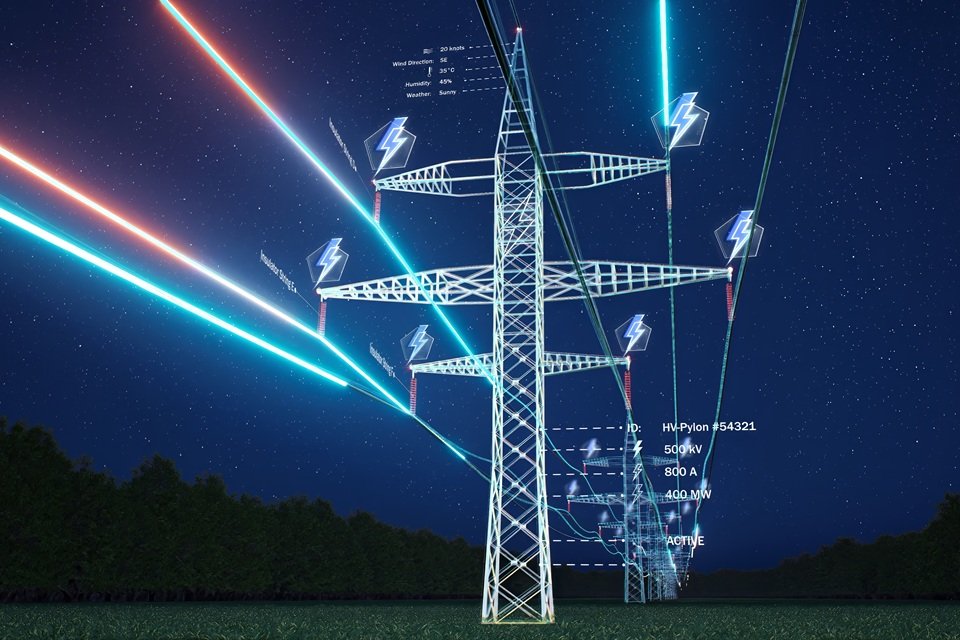
A grid digital twin creates a virtual model of physical power systems. This software continuously reflects actual real-world conditions. Sensors on transformers gather critical operational data constantly. Network assets send performance metrics to the central system. This incoming data builds an accurate virtual replica. An intelligent digital twin improves overall system visibility. Operators watch live changes across lines and substations. The model supports informed decisions during peak hours. The system maps out every connected component accurately. Engineers see hidden problems within the vast infrastructure. Digital mapping clarifies complex asset relationships easily. This approach changes how utilities monitor their hardware. The intelligent digital twin simplifies everyday network management. Reliable software replaces outdated manual inspection methods. Field crews access identical maps on mobile devices.
Utility Transformation Through Digital Replicas
Digital models now drive utility transformation globally. Modern energy infrastructure requires advanced analytical tools. Traditional methods fail to handle current grid complexities. The following sections explain how these tools improve power networks.
Real-Time Grid Visibility
Utilities gain a clear understanding of network conditions now. Asset tracking tools follow the status of every transformer. Outage awareness improves through instant digital alerts. Operators see minor issues before they disrupt local businesses. Advanced gridvision solutions support operational awareness at all levels. This software displays precise power flows across districts. Managers track energy movements without leaving the central office. Digital maps show the exact locations of equipment failures instantly. Clear graphics eliminate confusion during major power emergencies. The grid digital twin maintains an updated view of assets. Substation monitors feed updates into the primary system map. Comprehensive dashboards streamline daily grid operations for technical teams.
Smarter Grid Operations
Utilities improve long-term planning through accurate data models. Maintenance teams use digital schedules to reduce expenses. Daily decision-making becomes faster with live software recommendations. Better field data improves grid operations across counties. Accurate models reduce operational uncertainty for room teams. Higher efficiency lowers the cost of power delivery significantly. An intelligent digital twin processes field inputs within seconds. Operators adjust distribution paths based on active consumption trends. Automated systems handle routine switches without manual effort. Engineers adjust voltage levels to save valuable energy. The gridvision system empowers supervisors to assign tasks efficiently. Crew members receive precise coordinates for every service job.
Predictive Asset Management
Digital twins identify equipment issues before catastrophic failures occur. Maintenance planning relies on actual asset health indicators now. Asset health monitoring systems track internal transformer temperatures. Lifecycle management becomes precise with historical performance logs. Reliability improvements reduce the frequency of customer complaints. Software flags unusual vibration patterns in substation hardware. Teams replace failing components during scheduled service windows. This approach prevents expensive emergency repairs on lines. The gridvision tool monitors structural wear on utility poles. Data trends reveal which parts require immediate mechanical attention. Utilities maximize the lifespan of expensive physical infrastructure assets. Historical failure data feeds the analytical model every hour.
Renewable Energy Integration
Utilities manage solar arrays and wind farms more effectively. Battery storage units connect to the system smoothly now. Balancing supply and demand becomes simple with predictive models. Forecasting weather impacts helps operators anticipate sudden solar drops. The software maintains grid stability during rapid generation shifts. A grid digital twin tracks power injection from homes. Two-way power flows no longer jeopardize local substation safety. Clean power integration supports regional carbon reduction goals well. Efficient grid operations adapt to changing weather patterns easily. Fluctuating wind speeds no longer cause sudden blackouts anywhere. The grid digital twin balances local generation with regional needs.
Faster Outage Response & Recovery
Digital twins support rapid outage detection across local neighborhoods. Root-cause analysis tools isolate faults within seconds of occurrence. Restoration planning software calculates the safest reconnection pathways. Service recovery times drop significantly with accurate geographic data. An intelligent digital twin helps utilities respond during disruptions. Crew dispatchers send repair teams to exact trouble spots. Fewer truck rolls save time and reduce operational costs. The gridvision interface shows blocked roads near damaged equipment. Operators reroute power around broken poles to restore service. Customers receive accurate text updates regarding power restoration times. Automated recovery steps protect critical hospital lines from blackouts. Safe grid operations continue even during severe summer storms.
Future-Ready Infrastructure Planning
Utilities use detailed simulations for long-term infrastructure upgrades. Scenario analysis tools test new designs before physical construction. Long-term planning accounts for rising electric vehicle adoption rates. Capacity expansion projects target neighborhoods with high demand growth. Modernization strategies focus capital on the most vulnerable lines. Advanced gridvision technologies help evaluate future network requirements easily. Planners simulate heavy storm impacts on proposed substation layouts. The grid digital twin provides a safe testing environment. Engineers verify safety margins before connecting large industrial plants. Optimized grid operations sustain city growth for several decades. An intelligent digital twin reduces design errors before deployment. Virtual testing saves millions of dollars in construction costs.
Bottom Line
Virtual mapping technology changes how managers view power distribution networks. Digital models replace guesswork with precise calculations and live feedback. Modern tools protect utility investments through comprehensive technical clarity. Energy providers secure network stability by embracing advanced data systems.
Successful implementation requires absolute data quality from all field sensors. Thorough system integration connects old hardware with new software platforms. Continuous monitoring maintains model accuracy during routine network changes.
The Gridvision platform remains a foundational piece for evolving power architectures.