
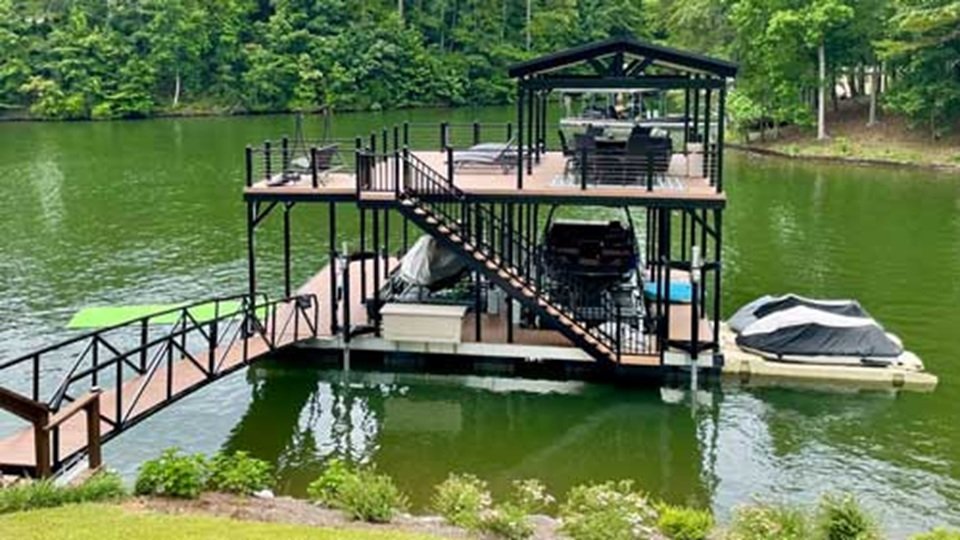
Slide a hand under the edge of a dock float and the part that matters is rarely the one anyone sees. Flotation billets are the foam blocks that keep a deck riding high, and their quality sets how a dock behaves for years. A closer look at what they are and how they work clears up a lot of confusion before buying.
Table of Contents
What Exactly Is A Flotation Billet?
A billet is a solid block of foam, usually closed-cell polystyrene or polyethylene foam, cut to fit inside or beneath a dock frame. Closed-cell means each tiny pocket of air is sealed off from the others, so water cannot soak through the block the way it does with a sponge. That structure gives billets steady buoyancy for decades when they are protected from sun and abrasion.
Shape and density vary by product. Expanded foam with higher density carries more weight per cubic foot and resists crushing, while cheap, low-density blocks compress and crumble under load. Billets typically get wrapped in a tough shell or mounted in an aluminum cradle, which shields the foam from boat bumps, ice, and sunlight.
How Do Billets Compare With Hollow Drums & Plastic Tubs?
Hollow floats depend on a single air chamber, so one crack lets water in and the section sinks. Foam billets keep floating even after a shell gets punctured, since the foam itself holds the air. That fail-safe quality matters on remote shorelines where nobody is around to patch a leak in a hurry.
Weight and upkeep differ too. Hollow drums are light and cheap, but they chalk, crack, and need replacing sooner. Billets inside a rugged shell last far longer and need little more than a visual check each season. Shoppers browsing aluminum boat docks for sale can ask which type of float comes with the system, because that single detail predicts a lot about long-term cost.
Sizing & Spacing That Keep A Deck Level
Buoyancy has to match the load. Designers add up the weight of the frame, decking, people, boats, and gear, then pick billet volume that leaves enough reserve for good freeboard. A deck that rides only a couple of inches above water gets wet and tips easily, while one with spare buoyancy stays dry and stable.
Placement counts as much as total volume. Extra billets belong under heavy spots like boat lifts, storage boxes, and busy corners, and an aluminum floating dock stays level only when flotation follows the load. Evenly spreading floats on a standard grid ignores where people really gather, and the result is a dock that leans toward its favorite fishing spot.
Can Billets Handle Ice, Sun, & Marine Growth?
Foam alone has weaknesses. Ultraviolet light breaks down exposed polystyrene, and fuel or oil can eat through it, so the outer shell or cradle does the protecting. Look for UV-stabilized polyethylene skins and tight seams that keep water and critters out. Ice presents another test, since expanding sheets can squeeze or lift a float, and sturdy aluminum cradles spread that pressure across the block. Marine growth sticks to rough surfaces, adds weight, and holds moisture. Smooth shells shed algae and mussels faster, so they stay lighter and need less scrubbing each spring. Modular designs let owners pull individual sections before freeze-up, which protects the foam and extends service life. Floating dock builders who stock replacement billets also make repairs simple, since swapping a damaged unit takes far less time than replacing a whole section.
Why Do Billets Matter For Business Owners?
Marinas, resorts, and rental operators earn money from usable slips, and flotation problems take slips out of service. Low freeboard, tilted sections, and sinking corners all hurt customer trust and safety. Billet-based systems keep working through small damage, which buys time for planned repairs instead of emergency shutdowns. Anyone comparing aluminum docks for sale can ask about foam density, shell material, and warranty coverage on floats, since those details separate a durable dock from a short-term one.
Sorting through flotation options goes faster with a manufacturer that builds around them, and Flotation Systems fits that role for homes, resorts, and marinas. The company designs custom aluminum boat docks with foam-filled floats sized to the frame, the load, and the water conditions at each site. Photos, depth readings, and a short description of how the dock will be used are enough for the team to recommend a float setup that fits.