

Key Takeaways:
- Integration of technology, such as telehealth and virtual reality, has expanded access to treatment and provided immersive therapeutic experiences.
- Personalized treatment plans, informed by data analytics and genetic testing, cater to each individual’s unique needs.
- Holistic approaches, including physical wellness and mental health integration, address the comprehensive well-being of patients.
- Community support and aftercare programs play a crucial role in sustaining long-term recovery.
Table of Contents
Introduction
The field of drug and alcohol rehabilitation is undergoing a profound transformation, integrating a host of advanced methodologies and modern technologies designed to improve outcomes and expand accessibility. Today’s treatment centers increasingly combine evidence-based therapies with innovative digital tools, significantly enhancing their ability to address the complex and deeply personal challenges posed by addiction. In particular, Colorado-based resources like drug rehab Denver are setting new standards by embracing these cutting-edge approaches, equipping individuals with the support, knowledge, and tools necessary to embark on and sustain their recovery journeys.
As we continue to gain deeper scientific insights into addiction and addictive behaviors, rehabilitation programs have become more nuanced, strategic, and client-centered. People seeking help and their families are now benefiting from comprehensive treatment programs that build upon a foundation of research-driven, digital, and holistic practices. In the following sections, we explore some of the most significant trends and innovative approaches that are not only shaping the future of drug and alcohol rehab but also redefining hope for lasting recovery.
Embracing Telehealth & Virtual Reality In Treatment
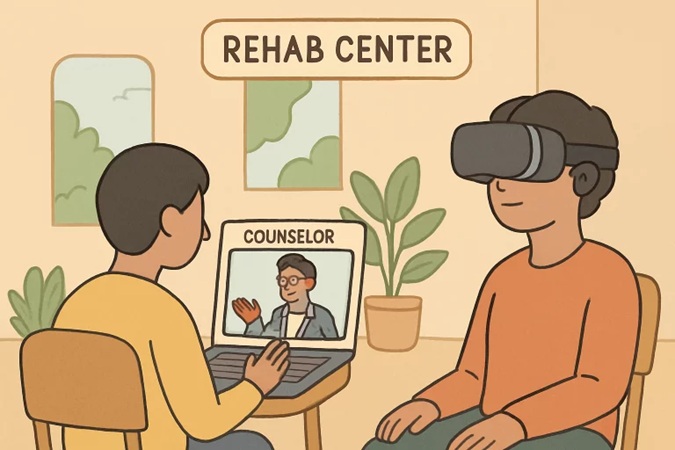
The widespread adoption of telehealth platforms has dramatically altered the landscape of addiction treatment. Telehealth removes traditional barriers such as geography, transportation, and social stigma by enabling remote access to various rehabilitation services. This is particularly empowering for those living in rural areas, individuals with mobility challenges, or people balancing busy schedules. Virtual therapy sessions and remote counseling can occur in a familiar, private setting, often resulting in greater consistency, improved attendance rates, and a more comfortable environment for sensitive discussions.
Alongside telehealth, the integration of virtual reality (VR) is pioneering new possibilities in addiction therapies. In a safe and controlled therapeutic space, VR allows patients to engage in simulated, interactive scenarios that closely mirror real-world situations and triggers. This technology is utilized for exposure therapy, allowing individuals to practice coping skills, emotional regulation, and relapse prevention without the actual risks present outside of treatment. As highlighted in the resource on revolutionizing rehab with technology, VR and telehealth work together to personalize and modernize addiction recovery, empowering clients with greater control over their care experience.
 Personalized Treatment Plans Through Data Analytics
Recovery is a uniquely personal process that cannot fit a standardized template. Modern rehabilitation centers are moving decisively away from one-size-fits-all protocols by making the most of recent advances in data analytics and genetic testing, through detailed assessments, including genetic markers, mental health history, and behavioral data, each patient’s unique challenges and needs are addressed. For instance, genetic testing can reveal how an individual may respond to certain medications or therapies, enabling providers to tailor interventions with greater precision and safety.
Beyond initial assessment, ongoing treatment and outcomes are continually informed by real-time data. Monitoring patient progress, behavioral trends, and treatment adherence allows for evidence-based adjustments to maximize retention, minimize setbacks, and boost long-term recovery rates. These evidence-driven modifications can differentiate stagnation from real progress in one’s recovery journey. For more discussion on how analytics revolutionizes treatment customization, refer to this detailed overview of drug rehab innovation.
Holistic Approaches To Comprehensive Care
Increasingly, research emphasizes that recovery is not solely about abstaining from drugs or alcohol—it’s about fostering overall health and well-being. Holistic approaches in modern rehab programs address a patient’s body, mind, and spirit needs. These programs might include fitness training, yoga, art and music therapy, nutritional counseling, and sleep education, all designed to enhance physical health, alleviate stress, and encourage lifelong wellness habits. Physical activity rebuilds the body from the impact of addiction, while nutritional guidance replenishes essential vitamins and bolsters immunity, often depleted through substance use.
Integrative Mental Health Services
A critical development within holistic rehab is the integration of mental health services into addiction care. Since many people battling substance use also suffer from issues such as depression, anxiety, or trauma, a dual approach is essential. Techniques like cognitive behavioral therapy (CBT), trauma-informed care, mindfulness practice, and dialectical behavior therapy (DBT) are now commonly woven into treatment plans, helping clients confront both their addiction and its underlying drivers. This collaboration between mental and physical health professionals underpins more sustainable recovery and greater overall quality of life.
Community Support & Aftercare Programs
Effective rehabilitation is recognized as an ongoing journey, not a finite event. After completing primary treatment, individuals require continued support to maintain the progress they have worked so hard to achieve. Community-driven aftercare—such as alum networks, 12-step groups, and sober living environments—provides vital accountability and encouragement during the delicate period of lifestyle transition. These resources create structured yet flexible frameworks that help people navigate triggers, avoid isolation, and foster stability as they reintegrate into daily life.
Equally important is the power of peer mentorship and group therapy, which offer individuals both guidance and camaraderie from those who understand the complexities of recovery firsthand. These connections often become anchors of support, inspiring hope, building resilience, and facilitating the continued development of healthy coping skills. The communal element of aftercare can be pivotal in preventing relapse and reinforcing the long-term benefits of initially completed treatment.
Addressing Co-Occurring Mental Health Disorders
For many, addiction is complicated by the presence of underlying mental health disorders such as depression, anxiety, bipolar disorder, or post-traumatic stress disorder. Modern rehab programs are built around an integrated care model that treats these co-occurring disorders simultaneously, rather than as separate challenges. This holistic understanding recognizes that addiction and mental health struggles are often intertwined, each potentially fueling the other, and addresses both the symptoms and the underlying causes together.
Such dual-diagnosis treatment typically involves comprehensive assessment, individualized medication management, and a tailored blend of therapeutic interventions that boost treatment engagement and support greater emotional and psychological stability, increasing the likelihood of lasting recovery. By addressing all aspects of health, integrated care helps clients regain control and purpose.
Leveraging Technology For Continuous Support
Technology continues to revolutionize the support systems available to those in recovery, long after initial treatment concludes. Mobile apps, wearable fitness and mood trackers, and web-based communities grant individuals greater autonomy over their recovery, providing immediate on-demand resources. These innovations can facilitate appointment reminders, real-time mood and craving tracking, mindfulness exercises, and reliable, instant communication with peer groups or counselors. The result is a robust digital safety net that reduces isolation and empowers users to manage urges or setbacks as they occur.
For many people, knowing they can reach out for help or guidance at any moment—whether to access a meditation video, join a support group chat, or quickly consult with a professional—is a crucial lifeline—this round-the-clock ssusupport significantly reduces relapsesk and ffofosters newbits essential to long-term recovery success.
Conclusion
The future for those facing substance use is brighter than ever, as addiction treatment continues to blend scientific innovation, digital connectivity, and whole-person wellness approaches. By harnessing the power of technology, data-driven personalization, and comprehensive care, organizations are helping more people achieve meaningful, sustainable change. Through empowering individuals and fostering community resilience, these trailblazing programs light the way for lasting recovery and renewed hope.

