
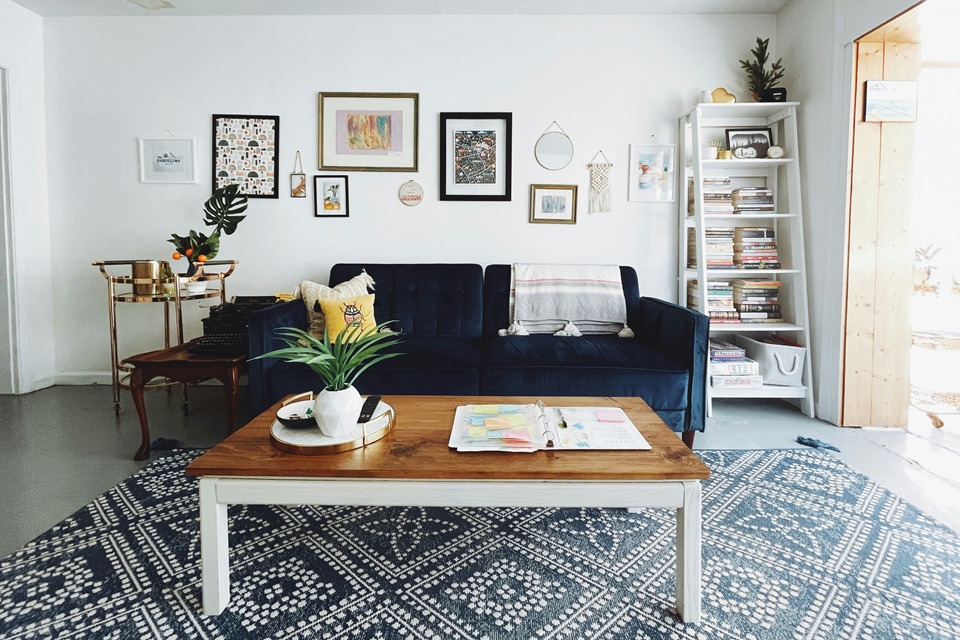
Key Takeaways:
- Optimize every inch of your apartment with multi-functional and modular furnishings designed for compact living.
- Personalize your environment using temporary, removable decor elements that let you refresh your space instantly.
- Introduce biophilic design for a healthier and more inviting setting—plants and natural materials uplift urban homes.
- Keep clutter in check through clever, discrete storage options to maintain a serene and organized environment.
- Layer lighting and textiles to fine-tune ambiance and carve out functional zones that adapt to your daily needs.
Table of Contents
Introduction To Modern Living
Modern apartment living is all about making smart, stylish choices that transform even the simplest unit into a cozy, customized retreat—without upsetting your landlord or breaking the bank. Whether you’re in a bustling city or a quieter suburban neighborhood, you’re likely looking for ways to blend your own personality with functional living solutions that maximize your space and comfort. Today, forward-thinking renters—especially those searching for standout homes like luxury Edgewater apartments Chicago—are leading a movement toward elevated living. They achieve this by adopting sophisticated design approaches, leveraging smart technological solutions, and incorporating adaptable features that can easily transition as one’s lifestyle evolves. By integrating creativity and practicality, you can turn any rental into a stylish, comfortable haven that truly feels like your own, regardless of square footage or lease restrictions.
Whether you’re outfitting a cozy studio or a sprawling multi-bedroom flat, every rental presents the opportunity to broadcast your personal style while also prioritizing efficiency. The right design inspiration and a willingness to innovate can help make even the most compact space feel bright, welcoming, and practical. Discover how to implement space-saving strategies, invest in functional upgrades, and imbue your home with distinctive touches—all while ensuring your improvements remain temporary and reversible for an easy move-out. Here’s how you can create a stunning, livable home that’s both renter-friendly and ready to evolve with you over time.
Maximize Space With Multi-Functional Furniture
Mixing comfort and practicality, multi-functional furniture is a must-have for renters seeking both form and function. Streamlined sofa beds, nesting tables, storage benches, and extendable dining sets help every square foot work smarter. These flexible furnishings are a favorite in compact floorplans common to urban communities—like the ones found in sought-after neighborhoods- and enable rooms to serve several functions without feeling cramped or cluttered.
For example, a coffee table that doubles as a secret storage spot makes it easy to hide board games, remote controls, or cozy blankets, helping maintain a neat and airy look. Murphy beds or wall-mounted desks can disappear when not in use, freeing up valuable space for yoga, entertaining guests, or simply spreading out to relax. Consider investing in modular shelving units, which can be reconfigured as your storage needs shift, or lightweight side tables on wheels that can move from living area to bedroom whenever you need an extra surface or workspace. Thoughtfully chosen pieces allow you to rearrange, redefine, or repurpose your living zones as frequently as your habits and routines evolve—ensuring you never feel boxed in by your furniture layout.
Personalize With Removable Decor
Rental-friendly styling means you can stamp your personality on your home while keeping walls and fixtures untouched for a smooth move-out. Removable wallpaper, versatile wall decals, and adhesive hooks offer exciting, commitment-free options. Consider using self-adhesive wallpaper on a single wall to create a striking accent, or experiment with trendy geometric vinyls on cabinetry for a custom look.
Decor can also include peel-and-stick tiles for kitchen backsplashes or bathroom updates, which are simple to install and remove. Large area rugs, vibrant curtain panels, and decorative throw pillows further enhance spaces, letting you play with color and pattern without permanence. For those who crave seasonal change or want the option to refresh their interiors often, these removable choices are ideal. Hang lightweight, damage-free shelves with adhesive strips to display artwork or mementos, or switch up your bedroom vibe every few months with new bed linens or temporary window films. For inspiration, check out resource guides like Apartment Therapy’s removable decor ideas. This way, you can enjoy a constantly renewed atmosphere without the stress of lost deposits or complex repairs upon moving out.
Embrace Biophilic Design Elements
Natural materials and greenery bring peace and rejuvenation into city living. Place low-maintenance indoor plants on windowsills, or try vertical wall-mounted planters to add lushness without taking up precious floor space. Wood and stone decor, rattan baskets, and nature-inspired textiles seamlessly blend comfort with style and offer a spa-like retreat at home. Biophilic design isn’t just trendy—it’s also proven to improve air quality and reduce stress, according to Healthline’s report on biophilic wellness benefits.
If sunlight is limited, choose shade-loving plants such as pothos, snake plants, or ZZ plants, all of which thrive in indirect light. Grouping several small plants together in decorative pots can create a “living vignette” that brings depth and freshness to any room, while larger statement plants, like a fiddle-leaf fig or monstera, can anchor your decor. Using mirrors to reflect natural light and nature outside your windows helps make interiors feel bigger and brighter. Incorporate organic shapes, botanical prints, and tactile materials like linen or jute to further echo the calming qualities of the outdoors—all easy, budget-friendly ways to nurture your well-being indoors.
Implement Smart Storage Solutions
Organization is essential for feeling at ease and maximizing your home’s footprint. Explore storage beds, under-couch bins, staircase drawers, and over-the-door organizers. Even everyday spaces such as closets or entryways can hold more with the addition of tension rods, modular shelving, and stackable storage cubes.
Think “hidden” storage wherever possible—furniture that doubles as a trunk, ottomans with lift-up tops, or wall hooks that fold away when not needed. Use underutilized areas like the space above cabinetry or beneath the bed to keep suitcases, seasonal clothing, or out-of-season decor tucked out of sight. In the entryway, slim-profile cabinets or wall-mounted shoe racks help maintain order without eating up valuable real estate. Smart storage keeps your home feeling harmonious and stress-free—qualities showcased in The New York Times’ apartment organization tips—while enabling you to enjoy your apartment’s full potential every day.
Define Spaces With Lighting & Textiles
Lighting does more than brighten rooms—it sets moods and defines zones, which is especially important in open-plan or studio apartments. Create a warm, layered effect with floor lamps, pendant lights, table lamps, and cordless LED strips. Add dimmers or smart bulbs so you can easily shift from bright task lighting to an intimate evening ambiance.
Strategically placed light sources can spotlight works of art, highlight shelving, or simply make your workspace more productive. Mixing direct and indirect lighting creates flexibility to host a dinner party or unwind at the end of a long day. Textiles like area rugs, curtains, and throw blankets serve double-duty as style statements and sound absorbers. Rugs can visually separate a dining area from a living room, while long curtains can make windows look larger and ceilings higher. Mixing textures—such as silky velvet cushions, chunky knit blankets, or a woven jute rug—further enriches the sensory experience of your home, making it feel layered and inviting.
Utilize Modular & Adaptable Spaces
With remote work and multifaceted living on the rise, modular design is seeing new popularity. Choose fold-down desks, rolling trolleys, and screens to create workspaces that vanish when not in use. Portable partitions and movable bookshelves are great for carving out privacy in shared or open layouts.
Opt for modular shelving or stackable furniture that can be reconfigured for entertaining, relaxing, or productivity. Adaptable layouts maximize flexibility, letting you quickly evolve your home as your routines change. If you host overnight guests, folding beds or stacking chairs can transform a living area into a guest room in moments. The best part? These solutions remain renter-friendly and can be taken with you to your next place for ongoing convenience and comfort.
Incorporate Smart Home Technology
Smart home features not only boost convenience—they elevate everyday living. Renters are increasingly picking up wireless-enabled thermostats, automated lights, and even app-controlled window shades to fine-tune comfort and efficiency. Voice assistants can manage music, lights, and even grocery lists hands-free, giving your apartment a futuristic yet user-friendly edge.
Tech-based security, such as smart doorbells and keypad locks, provides peace of mind while being renter-friendly and easy to uninstall. Look for home tech items that are Wi-Fi enabled and require no permanent installation for a seamless setup. Charging stations that double as nightstands or outlets equipped with USB ports can keep gadgets organized without altering your apartment’s electrical system, making it simple to keep up with the latest tech trends.
Conclusion
Modern renters are reinventing apartment living by blending style, efficiency, and adaptability. With the use of multi-functional furniture, removable accents, biophilic motifs, smart storage, flexible layouts, and integrated technology, any rental can become a place that feels welcoming and uniquely yours. The secret lies in striking a thoughtful balance between what’s practical and what feels like “home”—all within a design that can change as your life evolves. Even with constraints, a creative approach means your space can always reflect who you are and what you value most—ensuring you thrive wherever you choose to live.