
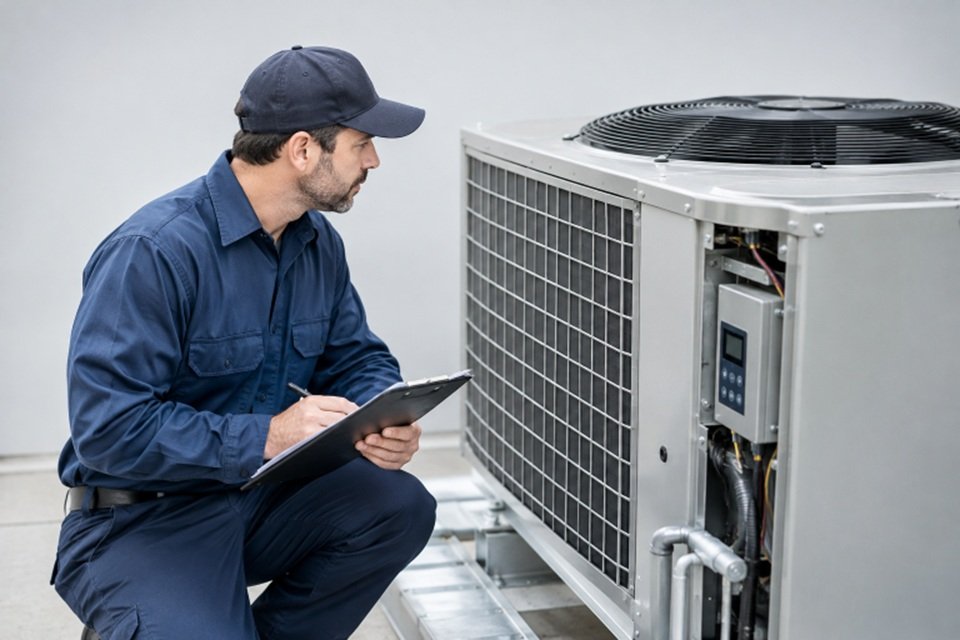
Commercial buildings across the Greater Toronto Area need heating, cooling, ventilation, and controls that can respond reliably to changing conditions. A planned approach to commercial HVAC readiness helps property managers, facility teams, and business owners identify small issues before they become disruptive comfort, safety, or operational problems.
Seasonal preparation matters in a region that can move quickly from cold mornings to warm afternoons, then into periods of high humidity or freezing weather. Toronto’s 2026 heat response noted that the city had 29 Heat Warning days in the prior year, underscoring that dependable cooling can be important for occupied workplaces, retail spaces, multi-unit buildings, and public-facing facilities.
Table of Contents
Why Seasonal Readiness Matters
Pre-season inspections create time to correct worn belts, blocked drains, inaccurate sensors, damaged insulation, and other issues before equipment is under sustained demand. This can reduce rushed repair decisions and help building teams respond more effectively to tenant concerns about temperatures, airflow, humidity, or stale air.
How GTA Weather Tests HVAC Systems
GTA facilities can face pollen and debris in spring, hot and humid weather in summer, rapid changeover conditions in fall, and snow and ice in winter. Each condition can affect outdoor air intakes, rooftop equipment, condensate drainage, filters, coils, dampers, and controls. A complete HVAC plan should account for the building’s hours, occupancy, equipment type, and areas with specialized temperature requirements.
Spring Cooling Checklist
Before cooling season begins, inspect rooftop units, condensers, air handlers, and other outdoor equipment for visible damage and airflow restrictions. Remove leaves and debris, clean coils as appropriate, replace loaded or damaged filters, and flush condensate drains. Standing water in pans or blocked drains deserves prompt attention.
- Test thermostats, sensors, electrical disconnects, contactors, and capacitors.
- Inspect belts, pulleys, bearings, fan motors, and accessible wiring connections.
- Review refrigerant performance and investigate readings that suggest a possible problem.
- Run each cooling zone through a full cycle, including occupied and unoccupied settings.
- Confirm that schedules match the current tenant’s hours, staffing patterns, and building use.
Summer Operation & Indoor Air Quality
When airflow is restricted, cooling equipment may run longer without reaching the intended temperature in occupied areas. Dirty filters and coils can limit airflow, while excess moisture can contribute to comfort concerns. During summer, track temperature and humidity trends, review recurring complaints, and investigate unusual noise, vibration, odors, or water around equipment.
Buildings with cooling towers also need consistent water management procedures, service documentation, and monitoring appropriate to the equipment. Facility teams should keep mechanical rooms clean, restrict access where needed, and follow applicable maintenance and health requirements for water-based systems.
Fall Heating Changeover
Fall is the right time to prepare before the first prolonged cold period. Inspect heat exchangers, burners, ignition components, flame sensors, venting, and safety controls where applicable. For boiler systems, review pumps, valves, expansion tanks, low-water safeguards, and visible leaks.
- Test freeze-protection settings and low-limit safeties.
- Inspect unit heaters, make-up air equipment, and loading dock heating.
- Confirm dampers and economizers move freely and return to the correct position.
- Update heating schedules, setpoints, and alarm notifications.
- Remove summer overrides that could allow unnecessary simultaneous heating and cooling.
Winter Protection Steps
Winter readiness requires attention beyond the main heating plant. Keep outdoor air intakes and exhaust outlets clear of snow and ice. Check exposed piping, insulation, heat tracing, and condensate lines for damage or freeze risk. Watch for short cycling, repeated alarms, uneven temperatures, and new mechanical noises.
Critical areas, such as server rooms, health-related spaces, kitchens, and locations with sensitive inventory, should have clear escalation steps for no-heat events. Emergency contacts, shut-off procedures, access instructions, and backup heating arrangements should be reviewed before they are needed.
Maintenance Tasks By Frequency
Monthly Tasks
- Review alarms, service calls, and occupant comfort complaints.
- Check accessible filters, leaks, unusual sounds, and visible damage.
- Verify that schedules and temperature setpoints remain appropriate.
Quarterly & Seasonal Tasks
- Inspect belts, bearings, fans, dampers, and electrical connections.
- Compare operating readings with prior service visits to spot gradual changes.
- Complete cooling startup in spring and heating changeover in fall.
- Test safety controls and update equipment notes, repair history, and replacement priorities.
Useful operations and maintenance guidance also emphasizes reviewing schedules, setpoints, and occupant needs so equipment does not operate longer than necessary.
Controls & Building Automation
Mechanical maintenance and controls maintenance should work together. Calibrated sensors, accurate time schedules, and meaningful alarms help operators see whether equipment is operating as intended. Trend data can reveal slow changes in temperature, runtime, airflow, or energy use that might not be obvious during a brief walkthrough. Repeated faults should be investigated rather than cleared.
Records & Emergency Planning
Good records support better maintenance decisions. Keep an equipment list with locations, model numbers, capacities, installation dates, filter sizes, service readings, repairs, and recurring issues. Photos attached to service reports can make future troubleshooting easier. Documentation also helps teams identify equipment approaching the end of its useful service life and plan work before failure becomes urgent.
Common Questions
How Often Should a Commercial HVAC System Be Inspected?
The appropriate schedule depends on equipment, operating hours, building use, manufacturer guidance, and indoor air needs. Many facilities use monthly visual checks, periodic detailed inspections, and full service before major heating and cooling seasons.
Which Tasks Can Building Staff Handle?
Building staff can perform visual checks, report comfort concerns, keep access clear, and inspect accessible filters when authorized. Gas work, refrigerant handling, electrical testing, combustion testing, and major repairs should be completed by qualified professionals.
Why Keep Maintenance Records?
Records help identify repeat failures, confirm completed work, support budgeting, and show whether a system is becoming less reliable over time. Seasonal HVAC planning is most effective when inspection findings, control adjustments, and repair decisions are documented throughout the year.