
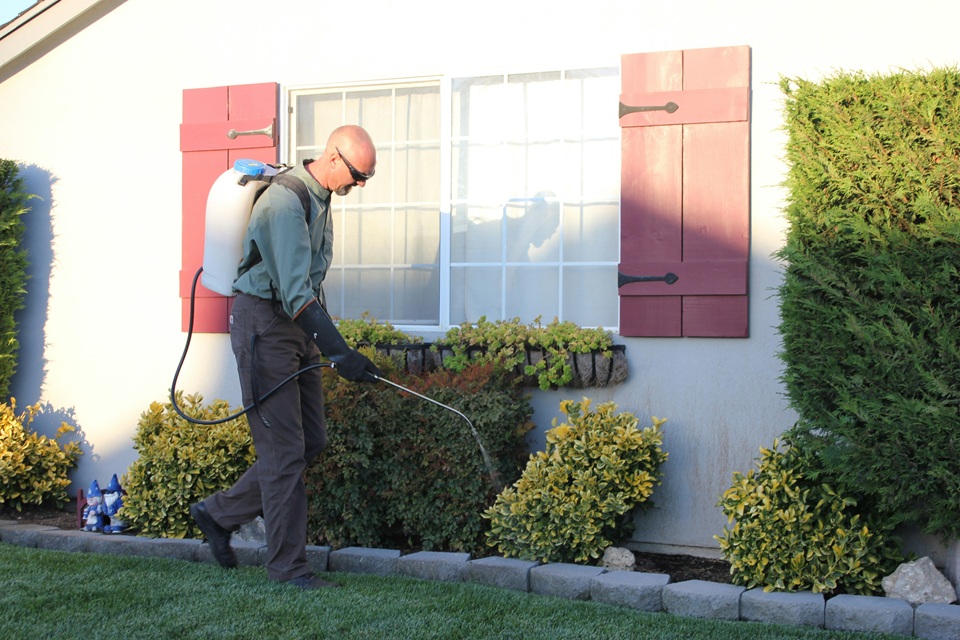
Key Takeaways:
- Regular inspections help catch pest problems early.
- Watch for droppings, damage, odors, nests, and entry points.
- Check kitchens, basements, attics, garages, and exterior areas.
- Seal gaps, control moisture, store food properly, and reduce clutter.
- Schedule professional inspections when signs persist or damage is suspected.
Pest problems can develop quietly, making regular inspections an important part of responsible home maintenance. Small signs such as droppings, damaged wood, unusual odors, or gaps around doors and windows may indicate that pests have found a way inside. Learning what to look for and when to schedule an inspection can help homeowners identify concerns before they become more difficult to manage.
Prevention is equally important because simple maintenance can reduce the conditions that attract common household pests. Properly storing food, addressing moisture problems, sealing entry points, and maintaining clean indoor and outdoor areas can all help. When professional guidance is needed, homeowners can turn to United Pest Solutions for pest inspection and prevention services. Understanding how inspections work and what preventative steps to take gives homeowners a practical approach to protecting their property and maintaining a healthier, more comfortable living environment.
Table of Contents
Why Regular Inspections Matter
Many pests remain out of sight until their populations grow or damage becomes visible. Regular checks can reveal entry points, excess moisture, accessible food, nesting material, wood-to-soil contact, and drainage problems while they are still manageable. Prevention is usually less disruptive than replacing damaged materials, repairing chewed wiring, or treating a widespread infestation. An inspection also fits naturally into routine home maintenance alongside roof checks, plumbing repairs, gutter cleaning, and HVAC service.
Hidden Warning Signs Homeowners Often Miss
Live pests are only one clue. Watch for small droppings near cabinets, appliances, pantries, and storage areas; gnaw marks on plastic, wood, wires, or insulation; and greasy rub marks along walls where rodents travel. Mud tubes, discarded wings, soft wood, small holes, or fine powder near wood surfaces can indicate wood-damaging activity. Musty odors, stains, scratching in walls or ceilings, and repeated insects near sinks, drains, windows, or food storage also deserve attention.
Key Areas To Check Inside & Outside
Indoor Inspection Points
Start in kitchens and pantries, where crumbs, unsealed food, and hidden water sources can support insects and rodents. Check sinks below, behind refrigerators, around dishwashers, and near laundry equipment for leaks or droppings. Then review bathrooms, utility rooms, basements, attics, garages, crawl spaces, closets, and storage rooms. Limited airflow, clutter, cardboard boxes, insulation, and rarely disturbed corners can all provide shelter.
Outdoor Inspection Points
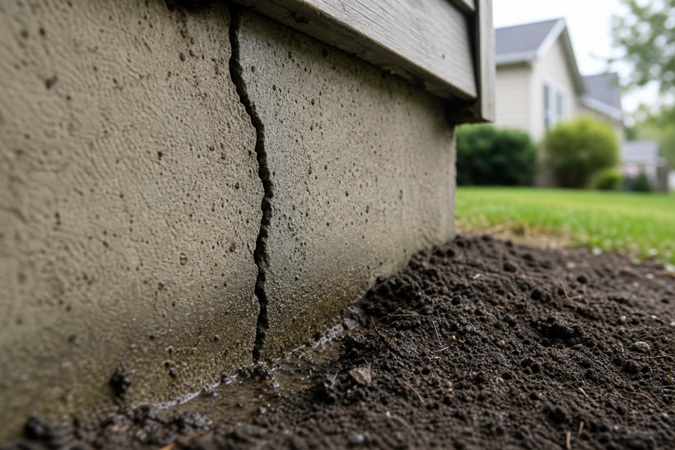
Walk the exterior slowly and examine the foundation, siding, roof edges, vents, doors, windows, and utility penetrations. Look for cracks, loose screens, damaged weatherstripping, leaking faucets, clogged gutters, and damp soil beside the structure. Keep firewood, stacked lumber, sheds, fences, and dense plants from creating direct pathways to the home. Branches touching the roof and mulch piled against the siding can also make inspection and prevention harder.
 How Often Should A Home Be Inspected?
There is no single schedule that suits every property. A yearly inspection is a reasonable baseline for homes without a history of activity. Twice-yearly checks may make more sense for older homes, properties with moisture issues, wooded lots, prior infestations, or frequent pest pressure. Arrange additional checks after flooding, water damage, remodeling, foundation repairs, or repeated sightings.
- Spring: Check for moisture, swarming insects, damaged screens, and new openings after winter weather.
- Summer: Monitor ants, flies, stinging insects, and moisture-prone areas around kitchens and bathrooms.
- Fall: Seal exterior gaps as rodents and insects seek warmer shelter.
- Winter: Inspect attics, garages, basements, and storage areas for signs of nesting and indoor activity.
Common Pest Risks & The Damage They Can Cause
Wood-Damaging Pests
Termites and carpenter ants can affect structural and decorative wood over time. Hollow-sounding wood, soft spots, mud tubes, small openings, or discarded wings should not be ignored. Visible damage may represent only part of the issue because activity can occur inside walls, beneath flooring, or in concealed framing.
Rodents
Rodents can damage insulation, stored belongings, packaging, and electrical wiring. They may also leave droppings and nesting materials in areas that affect indoor air quality. Avoid sweeping or vacuuming droppings dry. Restrict access to the area, use appropriate protective measures, and follow safe cleanup guidance before handling contaminated material.
Cockroaches, Ants, & Other Insects
Food, water, warmth, and narrow openings support many household insects. Repeated sightings often point to a hidden harborage site or an unresolved leak rather than a one-time problem. The principles of integrated pest management emphasize monitoring, accurate identification, prevention, and targeted control rather than unnecessary broad-spectrum treatment.
What Happens During A Pest Inspection?
A thorough inspection usually begins with questions about sightings, previous treatments, repairs, water issues, and seasonal patterns. The inspector then reviews exterior conditions, likely entry points, drainage, landscaping, and structural vulnerabilities. Inside, the inspection focuses on food and water sources, concealed spaces, droppings, nests, insect remains, odors, and signs of damage. Findings should be organized by urgency, with clear recommendations for repairs, monitoring, exclusion work, and treatment, if needed.
Simple Prevention Steps Between Inspections
- Store food and pet food in durable, sealed containers.
- Remove garbage regularly and clean spills promptly.
- Repair dripping faucets, leaking pipes, and worn seals.
- Keep gutters clear and direct water away from the foundation.
- Seal gaps around doors, windows, pipes, vents, cables, and utility lines.
- Trim plants away from siding and rooflines, and reduce storage clutter.
- Keep firewood and building materials away from exterior walls.
These steps work because they limit the food, water, shelter, and entry routes that pests need to settle indoors, which is central to the EPA’s guidance for preventing pests at home.
When To Seek Professional Help
Seek professional help when sightings continue after cleaning and sealing, or when there are droppings, nests, gnaw marks, structural damage, or suspected termite activity. Prompt attention is especially important when pests are near wiring, insulation, HVAC equipment, or food storage. Ask about licensing, the inspection report, safety instructions, follow-up visits, and the prevention steps needed to keep the activity from returning.
Conclusion
Regular pest inspections are most effective when combined with consistent maintenance. Detect small risks early, address conditions that attract pests, and record changes over time. This practical routine helps maintain a cleaner, safer home that is less inviting to pests.