
Key Takeaways:
- Professional teeth cleanings remove hardened deposits that brushing and flossing cannot remove at home.
- Regular visits can help identify concerns before they become more complicated or uncomfortable.
- Daily brushing and cleaning between teeth remain essential between appointments.
- Children, teens, adults, and older adults may each need different oral care support.
- A consistent routine can fit busy life in Willowbrook and nearby western suburbs.
Between school drop-offs, commutes, workdays, sports practices, and weekends around the western suburbs, it is easy for preventive care to slide down the priority list. Yet routine cleanings are a practical part of protecting a healthy smile. Patients looking for ongoing preventive care close to home can explore services through dentistsofhinsdalelake.com and discuss a schedule that fits their individual needs. Teeth cleaning is not only about making teeth feel smooth or look brighter. It works alongside brushing, fluoride toothpaste, and cleaning between teeth to help control plaque, support gum health, and give a dental professional a chance to evaluate changes that may not yet be visible or painful.
Table of Contents
1. Cleanings Remove Hardened Plaque Buildup
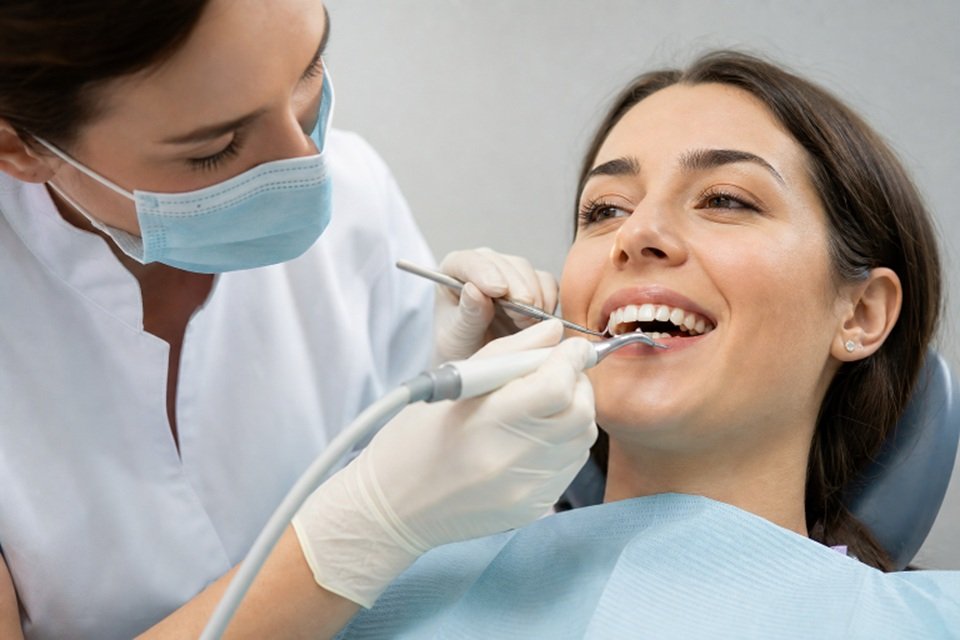
Plaque is a sticky film that forms on teeth throughout the day. Careful brushing twice daily and daily interdental cleaning help remove it, but any remaining plaque can harden into tartar, also called calculus. Once tartar forms, it cannot be brushed away at home. A professional cleaning uses appropriate instruments to remove these deposits from the teeth and along the gumline. This is one reason a good home routine cannot completely replace dental visits. The cleaning between teeth that toothbrush bristles cannot reach is an important daily habit, but professional cleanings address hardened buildup that has already developed.
2. Regular Visits Help Support Healthy Gums
Gums can become irritated when plaque and tartar collect near the gumline. Redness, swelling, tenderness, or bleeding during brushing may be signs that deserve attention. Professional cleanings, paired with consistent home care, can help manage plaque and support healthier gum tissue. Do not ignore bleeding gums simply because they do not hurt. Mention it at your dental visit, especially if it persists. People with a history of gum disease may need a cleaning and maintenance schedule that is more frequent than that of someone at a lower risk.
3. Cleanings Can Help Catch Problems Early
A preventive appointment commonly includes more than polishing teeth. A dental professional can assess the teeth, gums, bite, restorations, and other areas of the mouth. This creates an opportunity to find cavities, worn enamel, cracked fillings, gum concerns, or other changes before they become more serious. Early attention may mean a simpler solution and less disruption to work, school, travel, or family plans. The CDC notes that routine checkups help people discuss their individual risks and protect against oral disease, while brushing twice daily, flossing daily, and limiting added sugars remain central preventive habits.
4. A Clean Mouth Can Make Daily Care Easier
Freshly cleaned teeth often feel smoother because surface buildup has been removed. That clean starting point can make it easier to stay motivated to brush and clean between teeth. It also gives patients a chance to ask for a demonstration of techniques that may be difficult, such as reaching back molars, cleaning around a bridge, or using floss with tight contacts. No single tool is ideal for everyone. A soft-bristled manual toothbrush, powered toothbrush, floss, floss picks, interdental brushes, or water flossers may be appropriate depending on a person’s teeth, gums, appliances, dexterity, and preferences. The most useful option is one that can be used thoroughly and consistently.
5. Regular Cleanings Reinforce Better Food & Drink Habits
Frequent exposure to sugary snacks, sweetened drinks, sports drinks, juice, and acidic beverages can be hard on teeth. For busy Willowbrook families, water is an easy default at school, at work, in the car, and during practices. Having treats occasionally is different from sipping or snacking on sugar throughout the day. Dental visits are a useful time to discuss realistic changes rather than perfection. A clinician may suggest drinking more water, limiting between-meal sweets, choosing less sticky snacks, or rinsing with water after eating when brushing is not possible. Fluoride toothpaste and, when appropriate, professional fluoride treatments may also be part of an individualized plan.
6. Children & Teens Benefit From Early, Consistent Prevention
Parents can make oral care easier by connecting it to routines that already happen every day. Brushing after getting dressed in the morning and after pajamas at night gives children clear cues. Young children need hands-on help or close supervision until they can reliably clean all tooth surfaces. A timer, a song, or brushing together can make two minutes feel more manageable. For school-age children and teens, keep supplies visible and simple. A travel toothbrush or a floss pick in a backpack can help on late-activity days. Teens with braces, retainers, or aligners should pay special attention to cleaning around appliances. Parents should also be aware that frequent energy drinks, sweet coffee beverages, and sports drinks can expose teeth to sugar or acid.
7. Professional Guidance Can Be Personalized To Your Needs
There is no universal cleaning schedule that fits every person. Age, past cavities, gum health, dry mouth, smoking or tobacco use, diabetes, pregnancy, orthodontic treatment, implants, bridges, dentures, and medications can all affect oral health needs. A dental professional can recommend visit timing and home-care tools based on the individual rather than relying on a one-size-fits-all rule. Older adults and people with limited hand movement may benefit from electric toothbrushes, larger-handled tools, or keeping supplies in more than one convenient location. Those with dentures, implants, or bridges should ask for specific cleaning instructions, since these restorations require daily care as well.
A Simple Routine Between Cleanings
Morning
- Brush for about two minutes with fluoride toothpaste.
- Use gentle pressure and clean the front, back, and chewing surfaces.
- Choose water as the go-to drink for the day.
Night
- Brush after the final meal or drink of the day, except water.
- Clean between teeth once daily with an appropriate tool.
- Keep floss or another interdental cleaner beside the toothbrush.
When To Contact A Dental Professional
Schedule an evaluation promptly for persistent tooth pain, swelling, fever, a broken tooth, a lost filling, new sensitivity, difficulty chewing, ongoing gum bleeding, or a dental injury. These concerns may need timely care rather than waiting for the next routine cleaning.
Conclusion
Regular teeth cleanings provide benefits that go well beyond a polished smile. They remove tartar that cannot always be removed through brushing and flossing alone, support gum health, and allow dental professionals to identify concerns early. These visits can also help patients understand areas they may be missing during daily brushing or cleaning between teeth and provide practical guidance for improving their home-care routine. For children and teenagers, regular preventive visits can reinforce healthy habits as their mouths develop. At the same time, adults may benefit from continued attention to gum health, existing dental work, sensitivity, and other changes. When combined with twice-daily brushing, daily cleaning between teeth, regular water intake, and mindful food and drink habits, routine preventive visits can help Willowbrook, Illinois, families maintain more consistent oral care habits. Keeping appointments on a regular schedule also makes it easier to discuss changes, ask questions, and adjust daily care when needed. Small preventive steps, practiced consistently, can support oral health through school years, working years, family responsibilities, and beyond.