
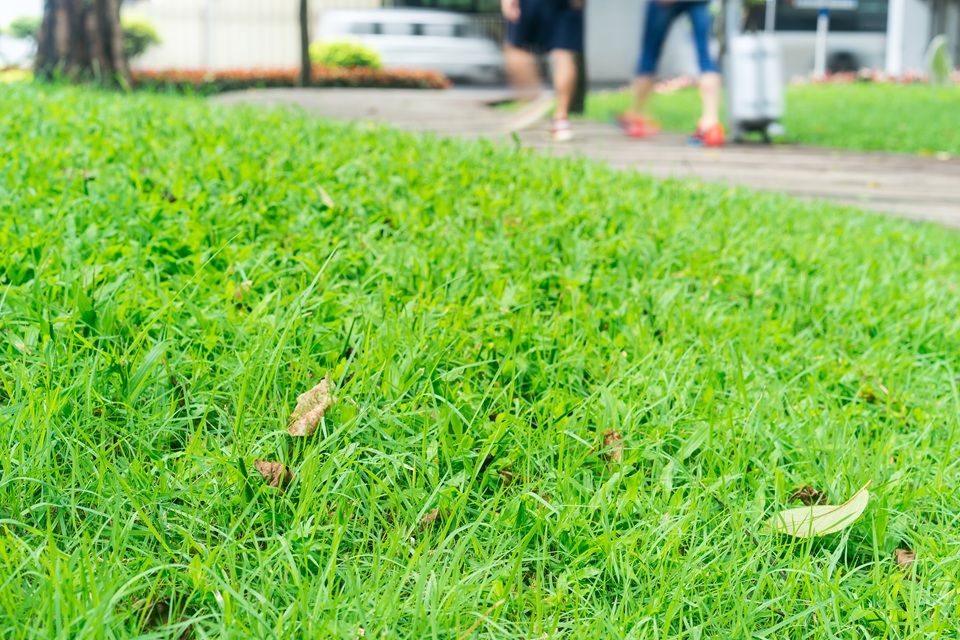
Every summer, neighborhoods reveal a surprising contrast. One home may have a lush, vibrant green lawn, while the property next door struggles with dry, patchy, brown grass. The difference often leaves homeowners wondering what went wrong. After all, many people mow regularly and water when they remember, yet their lawns still struggle when temperatures rise.
The reality is that lawn health during summer depends on several underlying factors. Soil quality, grass variety, watering habits, and sun exposure all influence whether a yard thrives or fades under intense heat. Understanding these elements can help homeowners maintain healthier grass even during the toughest parts of the season.
Table of Contents
Soil Health: The Foundation Of A Green Lawn
The condition of the soil beneath your grass plays a much bigger role than most homeowners realize. Grass roots rely on soil to deliver nutrients, oxygen, and moisture. If the soil structure is poor, even the best lawn care routine may struggle to produce strong results.
Healthy soil allows water to penetrate deeply and reach grass roots effectively. Compacted soil, however, can prevent proper absorption. When water sits on the surface or runs off instead of soaking in, roots receive less hydration. Over time, this stress shows up as thinning grass or brown patches.
Soil composition also matters. Lawns that contain a balanced mix of sand, silt, and organic matter tend to hold moisture better while still draining properly. On the other hand, soil that is overly sandy may drain too quickly, leaving roots thirsty during hot days.
Regular aeration, organic matter additions, and soil testing can all help maintain a stronger foundation for summer lawn resilience.
Grass Type Makes A Major Difference
Not all grass species respond to heat in the same way. Some varieties are naturally better suited to warmer climates, while others struggle when temperatures climb.
Cool-season grasses like Kentucky bluegrass or perennial ryegrass grow well during spring and fall but often experience stress during the hottest parts of summer. Without proper watering and care, these grasses may enter dormancy, turning brown temporarily until cooler weather returns.
Warm-season grasses such as Bermuda or Zoysia, however, thrive in heat and sunlight. They tend to remain green throughout summer when maintained properly.
Homeowners who plant grass varieties suited for their local climate generally see better long-term results. Choosing the right grass type can dramatically reduce seasonal stress on the lawn.
Sun Exposure & Shade Patterns
Sunlight is another key factor that influences lawn color and health. Areas that receive full sun for most of the day tend to dry out faster, especially during extended heat waves. Without consistent moisture, grass in these areas can quickly lose its green color.
Conversely, shaded areas may retain moisture longer but sometimes struggle with weaker grass growth due to limited sunlight. The balance between sun and shade often determines which sections of a lawn thrive and which require extra attention.
Homeowners with mixed sun exposure may notice uneven lawn color as a result. Adjusting watering schedules or choosing grass types designed for sun or shade can help reduce this issue.
Watering Habits Matter More Than Most People Think
One of the biggest reasons some lawns turn brown during summer is inconsistent watering. Many homeowners water sporadically, often reacting to visible dryness instead of following a steady schedule.
Grass roots benefit most from deep, consistent watering that encourages them to grow downward into the soil. Shallow watering, especially when done irregularly, can create weaker root systems that dry out quickly when temperatures rise.
Common watering mistakes include:
- Watering too lightly and too often
- Skipping watering during extremely hot days
- Watering at the wrong time of day
- Overwatering, which can weaken root systems
Early morning watering is generally considered the most effective time because it allows moisture to soak into the soil before the heat of the day causes rapid evaporation.
Why Manual Watering Often Falls Short
Many homeowners rely on manual watering using hoses or portable sprinklers. While this approach can work temporarily, it often leads to uneven results.
Manual watering depends on memory, availability, and time. Some days the lawn may receive plenty of water, while other days it may receive none. This inconsistency can stress grass during periods of high heat.
Additionally, it’s difficult to distribute water evenly across the entire lawn using handheld methods. Certain areas may receive too much water while others remain dry.
Over time, these uneven watering patterns can create patchy lawns where some sections stay green while others deteriorate.
The Role Of Sprinkler Systems In Lawn Consistency
To maintain healthier lawns during summer, many homeowners turn to automated watering solutions. Sprinkler systems are designed to deliver water evenly and consistently, helping lawns receive the moisture they need without relying on manual effort.
One of the biggest advantages of a sprinkler system is scheduling. Once properly set, the system can water at the optimal time of day and maintain consistent intervals throughout the week. This steady approach supports deeper root growth and helps grass remain resilient during heat stress.
For homeowners considering improvements to their irrigation setup, exploring sprinkler system upgrades in Pasadena MD through marylanddecking.com can provide options that improve watering efficiency and coverage across the lawn.
Modern irrigation systems can also be customized to accommodate different lawn zones, ensuring shaded areas receive less water while sun-exposed areas receive slightly more.
Lawn Maintenance Habits That Support Summer Health
Beyond watering and soil conditions, everyday lawn care practices also influence summer performance.
A few habits that help lawns remain greener include:
- Mowing at a slightly higher height during summer to protect roots
- Leaving grass clippings to return nutrients to the soil
- Avoiding excessive fertilizer during extreme heat
- Reducing heavy foot traffic on stressed areas
These small adjustments help grass conserve moisture and recover more easily during high temperatures.
When Brown Grass Isn’t Always A Problem
It’s also important to recognize that some lawns naturally go dormant during extreme heat. Certain cool-season grasses temporarily turn brown as a survival mechanism. When cooler weather returns, they often recover quickly with proper watering and care.
However, if browning appears uneven, patchy, or persistent even after watering, it may indicate deeper issues such as soil compaction, pests, or irrigation problems.
Regular observation can help homeowners determine whether their lawn is experiencing temporary dormancy or more serious stress.
Final Thoughts
A green summer lawn isn’t just a matter of luck. It’s the result of several factors working together healthy soil, the right grass variety, balanced sunlight, and consistent watering practices.
When any of these elements are missing, grass becomes more vulnerable to heat stress and dehydration. Many homeowners underestimate how important watering consistency truly is, especially during peak summer temperatures.
By understanding how irrigation, soil health, and lawn care habits influence grass performance, homeowners can make smarter decisions that keep their yards healthier and more vibrant throughout the hottest months of the year.