

Key Takeaways:
- Workplace injuries can be sudden or develop over time, affecting health and financial stability.
- Prompt reporting, medical care, and documentation are essential for compensation claims.
- Safe practices, training, and hazard reporting help prevent future incidents.
Table of Contents
Understanding Workplace Injuries & Why They Matter
Workplace injuries encompass a broad spectrum, ranging from sudden accidents like falls and equipment malfunctions to injuries that build up over time, such as repetitive strain or occupational illnesses. Common examples include sprains, fractures, burns, back injuries, and chemical exposures. Beyond the immediate physical pain, these incidents often lead to emotional distress, anxiety about financial security, and impacts on long-term health.
Workplace injuries are unfortunately common. If you need comprehensive guidance or legal representation during this challenging time, consulting a trusted workers compensation law firm Chicago can be invaluable for navigating complicated claims and protecting your interests. Many employees aren’t fully aware of their options after an on-the-job accident. Promptly taking the correct steps can ensure you receive the right medical care, compensation, and legal protection. Being informed and proactive is critical for preserving your rights and restoring your peace of mind.
 Your Legal Rights After Being Hurt At Work
- The basics of employee rights: Employees have the right to a safe work environment and to report any accident or unsafe condition without fear of retaliation.
- Workers’ compensation laws protect employees. Workers’ compensation laws exist in every state and offer injured workers wage replacement, medical care, and rehabilitation for workplace injuries, regardless of fault.
- The role of state and federal regulations: Both sets of laws give employees the right to seek compensation and return to work when medically able, while prohibiting employer retaliation or discrimination.
Immediate Steps To Take After An Accident
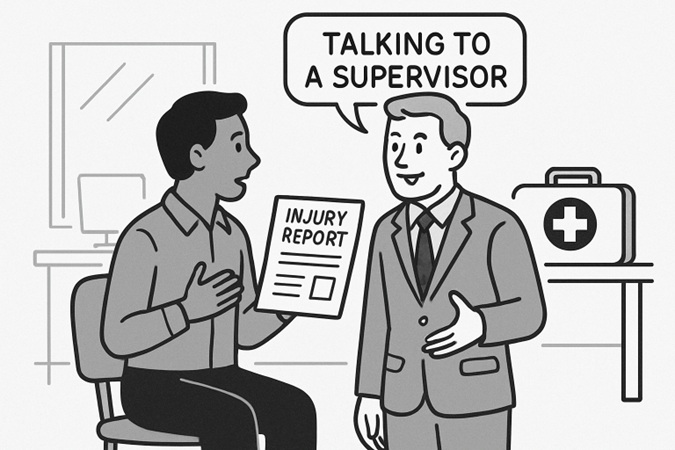
- Reporting the injury: Inform your supervisor or employer as soon as possible. Many states require notice within a set time frame (sometimes as little as 30 days).
- Seeking medical attention: If injuries appear minor, promptly visit a healthcare professional. This ensures your safety and provides official documentation of your condition.
- Documenting the accident: Write down specifics of the incident, photograph any hazards or injuries, and gather witness accounts. Detailed records provide clear evidence when filing a workers’ compensation claim.
The Workers’ Compensation Claims Process
- Overview: The process typically starts with notifying your workplace, completing a claim form, and seeking approved medical care. Your employer then reports the claim to their insurance.
- Information you’ll need: Prepare documentation about your job, how the injury occurred, medical treatment received, lost workdays, and any communications with your employer.
- Reasons claims are denied: Common reasons include missed reporting deadlines, insufficient evidence of injury, or claims disputed by the employer or insurer.
Employer Responsibilities & Duties
- Providing safe work environments: Employers are legally obligated to maintain workplaces free from recognized hazards and comply with OSHA standards.
- Carrying workers’ compensation insurance: Most states mandate that employers provide insurance covering employees in the event of injury or illness.
- Addressing unsafe conditions: Employees should feel empowered to report dangerous situations. Open communication can help fix issues before they result in injury.
Dealing With Medical Treatment & Rehabilitation
- Choosing medical providers: Depending on your state’s laws, you may be required to visit specific doctors approved by the employer’s insurance. Always clarify your options early.
- Navigating follow-up treatments: Follow all medical advice and keep detailed records of appointments, medications, and any changes in your condition.
- Returning to work: Your recovery plan may involve light duty or temporary accommodations as you heal. Know your rights about when and how you can return to work.
When To Consider Legal Assistance
- Situations needing legal help: Seek legal counsel if your claim is denied, compensation is insufficient, you face retaliation, or your injuries involve a third party.
- Dispute resolution: Mediation, settlement conferences, and appeals boards can help resolve disagreements with employers or insurers.
- Explore third-party resources for more details on your rights and legal options.
Preventing Future Workplace Injuries
- Best practices: Employers and employees should prioritize regular safety training, the use of protective equipment, and reporting hazards.
- Training and assessment: Ongoing safety training, equipment checks, and risk assessments can dramatically reduce the likelihood of injury.
- Communication: Establishing open lines of communication between management and staff encourages reporting and addressing potential dangers before accidents happen.