
Table of Contents
Introduction
Public sector consultants are essential partners for modern government agencies seeking to deliver more efficient, innovative, and responsive services. Their expertise not only promotes better policy outcomes but also strengthens the crucial connection between public authorities and the citizens they serve. By leveraging their expertise in areas such as policy analysis, stakeholder engagement, and strategic planning, public sector consultants can help governments build trust and ensure more transparent and accountable decision-making.
In today’s rapidly evolving landscape, public agencies face unique challenges—ranging from digital transformation to fiscal constraints. The ability to navigate these issues efficiently depends on the guidance of experienced consultants who bring industry best practices and a fresh perspective to public sector projects. The following article examines proven strategies implemented by public sector consultants to enhance government relations, drive operational improvements, and foster public trust.
Understanding The Role Of Public Sector Consultants
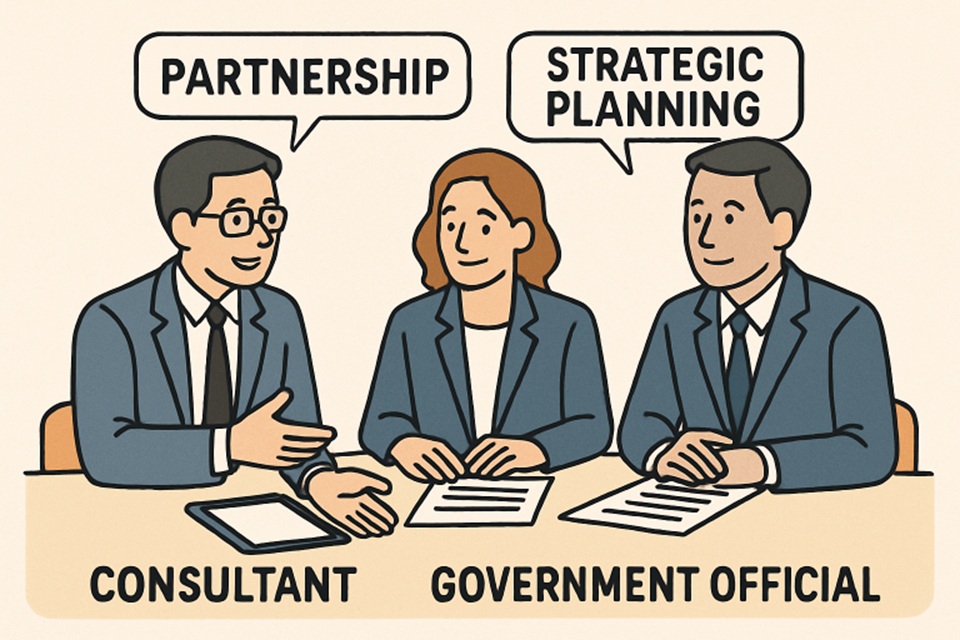
Public sector consultants serve as trusted advisors, working closely with government officials to address complex organizational challenges. Their role goes beyond offering technical advice—they facilitate collaboration, introduce innovative frameworks, and ensure that public sector initiatives align with long-term policy goals. With skills in project management, data analysis, and change facilitation, consultants tailor solutions that respond to evolving public needs while promoting accountability and sustainability.
The impact of public sector consultants is especially notable during periods of transition or reform. They empower agencies to address infrastructure gaps, improve service delivery, and stay ahead of regulatory requirements. Their multidisciplinary approach allows government organizations to benefit from cross-sector insights, ensuring that public initiatives are both actionable and evidence-based.
Key Strategies For Enhancing Government Relations
1. Strategic Planning & Policy Development
The cornerstone of effective government relations lies in robust strategic planning and sound policy development. Consultants use scenario analysis, stakeholder interviews, and impact assessments to help agencies anticipate emerging trends and respond proactively. Their expertise in drafting policy documents, conducting regulatory reviews, and aligning initiatives with fiscal goals ensures that agency strategies are both actionable and sustainable in the long term.
2. Operational Efficiency & Performance Improvement
Boosting operational efficiency necessitates a thorough examination of current processes and structures. Public sector consultants conduct gap analyses, map workflows, and identify resource bottlenecks to uncover areas for improvement. By recommending and implementing best practices—such as lean management, automation, and metric-driven decision-making—consultants help agencies reduce costs, accelerate timelines, and raise the quality of public services. The resulting operational improvements can significantly enhance citizens’ day-to-day experiences with government entities.
3. Digital Transformation & Technology Adoption
Technology is at the heart of modern governance. Consultants play a vital role in guiding agencies through digital transformation, helping them adopt advanced tools such as artificial intelligence, cloud solutions, and integrated data systems. These initiatives lead to faster public service delivery, enhanced data security, and more effective resource allocation. Consultants also champion digital literacy among staff and help establish governance frameworks that ensure technology investments yield meaningful results.
4. Change Management & Organizational Development
Change is often met with resistance—especially in large, complex bureaucracies. Consultants bring proven change management methodologies to help public agencies implement reforms smoothly. This involves stakeholder mapping, communication planning, and training programs designed to foster a culture of adaptability. Consultants work alongside agency leadership to cultivate buy-in, mitigate risks, and reinforce the value of ongoing development, ultimately building a more resilient organization.
5. Stakeholder Engagement & Public Participation
Transparent, inclusive governance requires the active participation of diverse groups. Public sector consultants structure effective stakeholder engagement processes by coordinating town hall meetings, developing public feedback mechanisms, and facilitating consensus-building sessions. Their ability to incorporate input from citizens, businesses, NGOs, and community leaders ensures that projects reflect a range of interests and needs. This collaborative approach builds lasting trust and legitimacy between public agencies and the communities they serve.
6. Enhanced Financial Management & Accountability
Financial stewardship is a pillar of public trust. Consultants assist agencies in refining their budgeting processes, establishing clear financial controls, and improving reporting transparency. Their guidance supports not only better resource allocation but also compliance with audit and regulatory requirements. By fostering stronger financial management practices, consultants help agencies demonstrate accountability to the public and stakeholders, reducing the risk of overspending or mismanagement.
Conclusion
Public sector consultants continue to reshape government relations by equipping agencies with the tools and strategies needed for strategic success. Their contributions span every aspect of modern governance—from policy design and technological innovation to organizational transformation and fiscal responsibility. As governments strive to meet new challenges and serve citizens more effectively, the role of consultants as change agents, problem solvers, and collaborative partners will remain critical. Through the thoughtful application of these strategies, governments can achieve new levels of excellence and build stronger relationships with those they serve.