
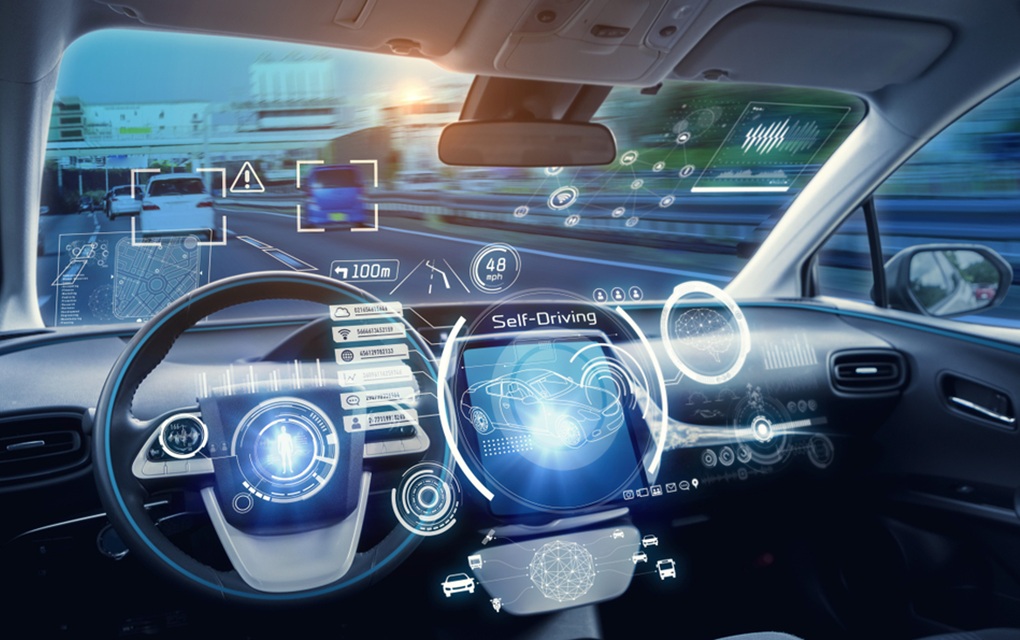
Smart vehicles are revolutionizing how we navigate urban landscapes and intercity roads, marrying advanced digital innovations with daily routines in a truly transformative way. The rapid evolution in artificial intelligence, electrification, and seamless connectivity has positioned smart vehicles not just as an upgrade to personal transportation but as a complete reimagining of mobility. These vehicles bring together convenience, efficiency, and safety in ways previously reserved for science fiction. The experience for today’s driver is ever smarter—vehicles assist in monitoring traffic, mitigating accident risk, and optimizing travel time. The automotive industry is further incentivizing adoption with programs like Complimentary maintenance new Hyundai models, which provide ongoing service and added peace of mind for new buyers. Such offers make high-tech innovations in mobility accessible and appealing, promoting healthy competition among automakers to deliver even better value to the modern consumer.
The evolution of smart vehicles is not exclusive to high-end or technologically niche models; it has rapidly spread throughout the mainstream vehicle market. As intelligent features become standard, consumers across all price points gain access to capabilities that were once exclusive to luxury brands. This democratization of technology means enhanced safety protocols, improved environmental outcomes, and greater overall convenience for millions of people. In urban environments, technologies like automatic emergency braking, adaptive cruise control, and driver monitoring systems are actively reducing collisions and making traffic flow more smoothly. As automotive technology becomes increasingly sophisticated and accessible, regulators, consumers, and industry stakeholders must understand the broader societal implications—such as changes to city design, insurance, and transportation equity—so that policy and progress move hand in hand toward a brighter mobility future.
Connected cars, AI-driven mobility features, widespread electrification, and data-integrated urban design are no longer concepts of tomorrow; they are converging stewards of today’s most progressive transportation networks. These advances create travel that is not only safer or cleaner but also adaptive to real-time needs, fostering unprecedented flexibility and comfort for users. However, this leap toward intelligent transportation also introduces new challenges, including data privacy issues, evolving cybersecurity concerns, and the pressing need for modernized regulations to protect both consumers and public infrastructure. As smart mobility gains momentum, understanding its trajectory becomes a responsibility shared by every participant—manufacturers, policymakers, drivers, and pedestrians alike. This article explores emerging trends and technologies, examines their impact on society, and considers the steps necessary to shape a more innovative and secure transportation world.
From the integration of V2X (vehicle-to-everything) communication platforms to self-evolving AI features, the changing landscape of mobility is a source of both anticipation and responsibility. Every interaction on the road—human-driven or autonomous—will soon be guided by layers of intelligence designed to prevent errors, prioritize sustainability, and improve the overall travel experience for everyone.
Table of Contents
Connected Cars & V2X Communication
Today’s smart vehicles are equipped with V2X (Vehicle-to-Everything) communication platforms that leverage cloud integration, GPS, and onboard sensors to interact with surrounding infrastructure in real-time. Cars no longer operate in isolation—instead, they share data about speed, location, weather, and road conditions with other vehicles, traffic signals, and even pedestrian smartphones. These connections enable drivers and autonomous systems to receive alerts about potential hazards, unexpected slowdowns, and construction zones well in advance, thus significantly improving situational awareness and minimizing risk. For instance, if a vehicle brakes suddenly on a highway, all connected vehicles within range can instantly adjust speed to prevent pile-ups. Innovative city projects now utilize this technology to streamline traffic lights according to real-time traffic flow, clear emergency paths, or help buses maintain optimal schedules. The New York Times recently explored how cities worldwide are leveraging V2X for public safety and smarter streets, predicting a future where congestion and crashes are the exception rather than the rule.
[suggestion]A simple illustration showing a modern car with connected symbols, exchanging signals with traffic lights, other cars, and city infrastructure to highlight smart vehicle communication.[/suggestion]
AI-Powered Driver Assistance
The marriage of artificial intelligence and advanced sensor arrays is transforming the driving experience from passive to proactive. Driver-assistance features, such as adaptive cruise control, lane-keeping assistance, and autonomous emergency braking, leverage AI-powered perception to identify obstacles, interpret complex traffic scenarios, and react faster than a human driver could. Today’s in-car AI adapts to driver habits, learns preferred routes, and seamlessly personalizes infotainment and climate controls. Beyond convenience, these systems significantly reduce the likelihood of human error—historically the primary cause of most accidents. Manufacturers such as BMW have raised the bar with AI that understands conversational speech, optimizing safety and comfort based on natural language cues. As machine learning algorithms continue to evolve, expect to see even more predictive capabilities; the software will anticipate maintenance needs, optimize battery usage, and fine-tune vehicle handling to provide the safest and most enjoyable ride possible. These advances point toward a future where intelligent allies, not mere machines, populate roads.
Electric Vehicles & Sustainable Solutions
Electrification sits at the heart of smart mobility, making it possible to reduce urban pollution, decrease transportation emissions, and conserve natural resources. Today’s electric vehicles (EVs) are equipped with long-range batteries, rapid charging capabilities, and intelligent power management systems to enable convenient and sustainable driving. Sophisticated energy recovery techniques, including regenerative braking and eco-routing algorithms, further boost efficiency. For example, the Hyundai Ioniq platform now supports 800V charging, allowing drivers to spend less time at charging stations and more time on the road—charging from 10% to 80% in under 20 minutes. This progress is further supported by declining battery costs, significant investments in charging networks, and support from governments worldwide in their pursuit of carbon-neutral targets. Car and Driver highlights the astonishing innovation behind the latest electric vehicles, which continue to push the envelope in design, performance, and sustainability, making EVs more accessible for mainstream buyers each year.
Smart Infrastructure & Urban Mobility
The integration of smart infrastructure marks a significant turning point for urban mobility worldwide. On corridors like the I-94 smart highway in Michigan, sensors collect minute-by-minute data on everything from weather changes to accident locations, driving a new standard for safety and efficiency. This infrastructure doesn’t just support connected vehicles; it actively collaborates with them, offering real-time speed and route recommendations, as well as dynamic warnings for upcoming hazards. City planners are beginning to integrate adaptive signaling, priority access for emergency vehicles, and mobility-as-a-service solutions that connect public transit, ridesharing, and micromobility options. These innovations ease traffic congestion, curb emissions, and ensure the entire urban population—including those who don’t own a car—benefits from next-generation mobility. Forbes Tech Council’s analysis on smart infrastructure underscores how intelligent city design is paving the way toward efficient, eco-friendly living spaces that prioritize both functionality and livability.
Data Privacy & Security Concerns
The upswing in vehicle connectivity and intelligent features increases the risk of cyber attacks, unauthorized surveillance, and personal data breaches. Hackers capable of infiltrating vehicle systems can threaten not only individual privacy but also public safety, creating potential for large-scale disruption. Recognizing these challenges, agencies and automakers are implementing multilayered security protocols, including advanced encryption, intrusion detection, and decentralized data storage, to protect vital information in transit and at rest. National governments, including the U.S., are intensifying efforts to safeguard vehicle-generated data from foreign interference, with new investigations and regulations surfacing in response to increasing geopolitical tensions. In February 2024, the White House took decisive steps to ensure foreign-made smart vehicles adhere to domestic cybersecurity standards, reflecting an urgent need for strict oversight across the mobility sector. Detailed coverage from The Wall Street Journal offers insight into why robust security and clear data usage policies are crucial for maintaining public trust in this rapidly evolving landscape.
Regulatory Landscape & Policy Developments
Public officials and standards agencies are moving quickly to align regulatory frameworks with technological advancements in smart mobility. In 2024, the U.S. Department of Commerce imposed export controls on specific vehicle software and tech originating from countries designated as high-security risks, an effort to limit vulnerabilities and protect national interests. Lawmakers are also working with industry partners to devise standards for vehicle data privacy, battery recycling, autonomous vehicle operation, and emission reduction. These evolving policies aim to strike a balance between safety, sustainability, and open market access. The speed and nimbleness with which governments update their regulations will play a decisive role in shaping the future automotive landscape, influencing how quickly innovations can be adopted and how equitably their benefits can be distributed across both urban and rural communities.
Consumer Adoption & Market Trends
Surveys and market research signal robust enthusiasm for smart vehicles, especially among younger, tech-savvy consumers who value innovation and sustainable living. Buyers are drawn to vehicles equipped with advanced driver-assist systems, over-the-air software updates, and the environmentally friendly promise of electrification. Confidence is growing in this new era of transportation. Still, obstacles remain: skepticism about full autonomy, concerns about data privacy, and practical issues like charging station availability continue to be top of mind. Auto manufacturers respond by investing in consumer education and support, helping to remove barriers and empower customers to embrace new mobility solutions with confidence. Ultimately, the mass market’s trust and enthusiasm are vital for accelerating the shift from traditional vehicles toward a connected, intelligent driving future.
Conclusion
The future of smart vehicles points to an increasingly intelligent, integrated, and sustainable transportation network. As AI, connectivity, and electrification reshape how we move, it is crucial to address emerging security and privacy threats, invest further in smart infrastructure, and foster responsive policy to guide safe and equitable progress. Those who stay informed—and involved—will play a crucial role in steering this transformation toward its full potential, ensuring that next-generation mobility remains secure, accessible, and transformative for everyone.