
Key Takeaways:
- Soft washing is a safe and effective way to clean commercial building exteriors without causing damage.
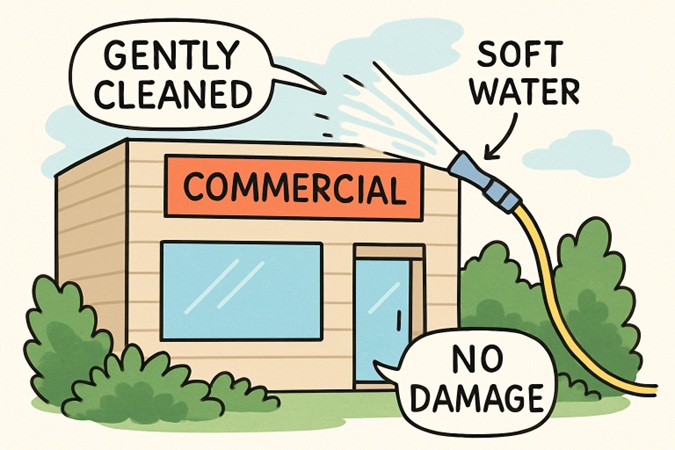
- It utilizes low-pressure water combined with specialized cleaning solutions to remove dirt, mold, and algae.
- Regular soft washing enhances curb appeal, extends the lifespan of building materials, and supports environmental sustainability.
Table of Contents
Understanding Soft Washing
Maintaining the exterior of a commercial property is essential for ensuring longevity, safety, and a welcoming atmosphere for employees and visitors alike. With traditional cleaning methods, building owners often risk damaging delicate materials with high-pressure systems. Soft washing has emerged as an effective alternative, using low-pressure water and eco-friendly cleaning solutions. These methods gently but thoroughly clean building surfaces without the risk of structural or aesthetic damage often associated with harsher approaches. For property managers seeking reliable exterior upkeep, commercial washing using soft washing techniques is proving to be a valuable solution.
This gentle cleaning method is designed to tackle common problems such as mold, algae, mildew, and deep-set dirt, which not only compromise appearance but can also contribute to deterioration if left untreated. The application of specialized cleaning agents, followed by a low-pressure rinse, ensures that even textured or painted surfaces are maintained without degradation. Over time, these preventive measures help commercial buildings retain their value and safety by minimizing the potential for costly repairs.
Soft washing is particularly advantageous for surfaces like stucco, painted wood, vinyl siding, and certain types of roofing. Unlike pressure washing, which can strip paint or erode softer materials, soft washing preserves the integrity of the exterior of the property. This consideration is vital for businesses that want to project a positive image while also being fiscally responsible with maintenance budgets.
Additionally, soft washing methods are often favored for their sustainability benefits. By relying on biodegradable, environmentally safe solutions and using less water than traditional power washing, businesses can take an active role in reducing their ecological footprint during routine building maintenance. As commercial property owners look for greener options, soft washing stands out as a smart choice.
For further insight into the specific benefits of soft washing in diverse commercial settings, many experts recommend learning how its techniques and products are tailored for safety and performance.
This gentle cleaning method is designed to tackle common problems such as mold, algae, mildew, and deep-set dirt, which not only compromise appearance but can also contribute to deterioration if left untreated. The application of specialized cleaning agents, followed by a low-pressure rinse, ensures that even textured or painted surfaces are maintained without degradation. Over time, these preventive measures help commercial buildings retain their value and safety by minimizing the potential for costly repairs.
 Benefits Of Soft Washing For Commercial Properties
There are several compelling reasons why soft washing is recommended for business environments:
- Preserves Building Materials: Soft washing uses low-pressure water to prevent cracking, warping, or stripping caused by overly aggressive cleaning. Surfaces retain structural soundness and visual appeal longer.
- Enhances Curb Appeal: Well-maintained exteriors draw customers in and make a strong first impression. A spotless building communicates professionalism and attention to detail, qualities that are persuasive to potential tenants and visiting clients.
- Promotes Health and Safety: Commercial properties are vulnerable to organic growth, such as mold and mildew. These microorganisms can negatively impact air quality and trigger allergies or respiratory issues. Regular soft washing creates a healthier environment for staff and visitors.
- Sustainability: By using environmentally friendly agents and conserving water, soft washing aligns with broader business initiatives to reduce its environmental impact. This is increasingly important as sustainability becomes a key focus for commercial enterprises globally. For more on why green cleaning matters, see this New York Times guide to cleaning.
Comparing Soft Washing & Pressure Washing
Understanding the differences between soft washing and traditional pressure washing helps property owners make informed decisions when maintaining their exterior surfaces. Soft washing uses low water pressure combined with specialized, biodegradable cleaning solutions to gently remove dirt, mold, algae, and other contaminants. Because of its gentle approach, it is ideal for delicate surfaces such as stucco, painted wood, and roofing materials, while also minimizing the risk of damage. In contrast, pressure washing relies on high water pressure and often uses water alone to blast away grime. This method is best suited for durable surfaces like concrete, brick, and stone. However, because of the intense pressure involved, it carries a higher risk of damaging fragile materials if not used carefully.
While pressure washing is suitable for robust surfaces such as driveways and sidewalks, soft washing is preferred for more delicate exterior materials. More information on the differences and best practices for exterior building cleaning can be found at this Architectural Digest resource.
Implementing Soft Washing In Commercial Maintenance Plans
For commercial property owners, scheduling regular soft washing services as part of a broader maintenance plan yields both immediate and long-term benefits. Incorporating soft washing at set intervals, such as seasonally or annually, helps prevent the accumulation of damaging organic material, reducing the likelihood of expensive repairs in the future. According to studies, buildings that receive routine soft washing maintain their integrity and appearance longer than those relying on sporadic or only high-pressure cleaning methods.
This proactive approach allows businesses to control costs, maintain property value, and ensure a consistent, attractive facade year-round. In multi-tenant commercial properties, routine exterior maintenance can also enhance tenant satisfaction and retention, thereby contributing to overall financial stability for property managers.
Choosing The Right Soft Washing Service
With the widespread adoption of soft washing, selecting a qualified provider has become an important consideration. Look for experience and expertise specific to commercial settings, and prioritize companies that use eco-friendly, biodegradable solutions. Providers who offer comprehensive, tailored services for various exterior materials ensure every aspect of the property is safely and thoroughly cleaned.
- Experience: A reputable company will provide evidence of prior work with commercial properties.
- Eco-Conscious Practices: Favor providers committed to using sustainable cleaning methods, as these protect both building occupants and surrounding landscaping.
- Diverse Services: Commercial buildings often feature a mix of exterior materials. Choose companies capable of handling stucco, masonry, siding, and roofing safely and effectively.
Conclusion
Adopting soft washing as part of a comprehensive property maintenance program benefits commercial establishments in numerous ways, from safeguarding materials to enhancing occupant wellbeing and supporting sustainability goals. By utilizing gentle cleaning agents and low-pressure water, businesses can uphold their reputations for cleanliness while minimizing environmental impact. Property managers and building owners should carefully select service providers to ensure that all maintenance expectations are met and that their properties remain inviting and secure over time.