
When you’re living in a home where every square foot counts, the bathroom often becomes the most challenging space to refresh. Yet, this essential room deserves just as much attention as your kitchen or living area. The truth is, you don’t need a palatial bathroom to create a space that feels luxurious, functional, and uniquely yours.
Many homeowners assume that limited square footage means limited options, but that couldn’t be further from reality. With thoughtful planning and creative design choices, even the smallest bathroom can be transformed into a showpiece that adds genuine value to your home.
Table of Contents
Understanding Your Space’s Potential
Before you start tearing out fixtures or picking paint colors, take a moment to really assess what you’re working with. Walk into your bathroom and notice how you move through the space. Where do things feel cramped? What features do you actually use daily, and what’s just taking up room?
The biggest mistake people make is trying to cram too much into a small bathroom. A pedestal sink might look charming, but if you’re constantly knocking over toiletries because there’s nowhere to put them, it’s not the right choice. Similarly, that oversized vanity might seem like a storage dream, but not if it leaves you bumping into the toilet every morning.
Design Elements That Actually Work
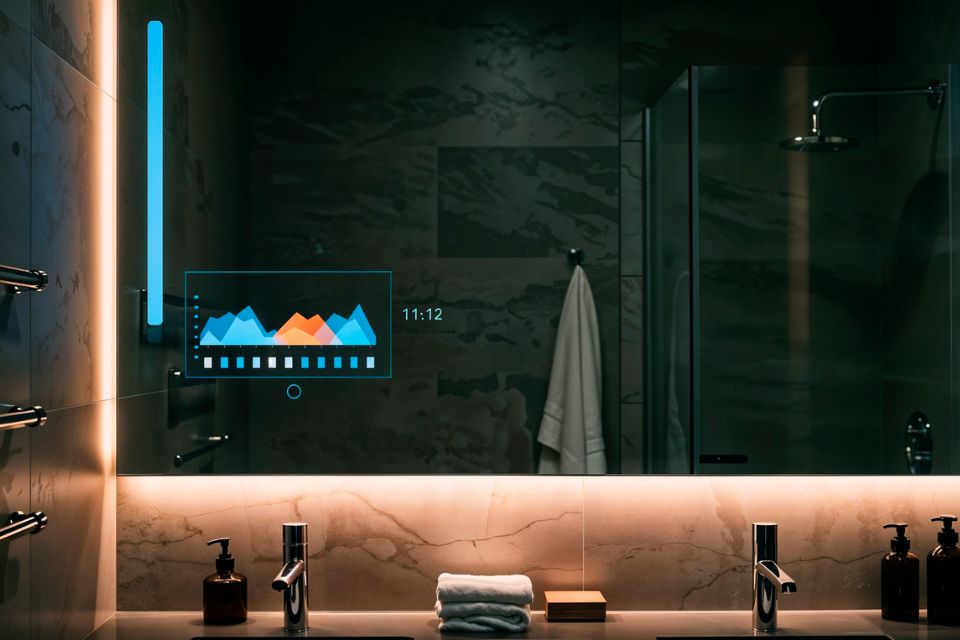
When tackling a small bathroom makeover, lighting becomes your secret weapon. Poor lighting can make even a spacious bathroom feel like a cave, while well-placed fixtures can open up tight quarters dramatically. Consider layered lighting with a combination of overhead fixtures, task lighting near the mirror, and even subtle accent lights to create depth.
Wall-mounted fixtures are another game-changer in compact bathrooms. Floating vanities create the illusion of more floor space while providing necessary storage. Wall-hung toilets aren’t just trendy, they make cleaning easier and free up valuable floor area. Even something as simple as mounting your toilet paper holder and towel bars thoughtfully can improve flow and functionality.
Color psychology plays a fascinating role in bathroom design. Light, neutral tones naturally make spaces feel larger, but that doesn’t mean you’re stuck with boring beige. Consider soft grays, warm whites, or even pale blues that reflect light beautifully. If you’re craving color, use it strategically through accessories, a single accent wall, or patterned tiles rather than overwhelming the entire space.
Storage Solutions That Don’t Compromise Style
Storage in a small bathroom requires creativity, not compromise. Recessed medicine cabinets carved into the wall space between studs provide storage without protruding into the room. Corner shelves utilize often-wasted space, while ladder-style storage units lean against walls without the bulk of traditional shelving.
Think vertically whenever possible. Your walls offer prime real estate that often goes unused. Floating shelves above the toilet, hooks behind the door, and slim rolling carts that slide between fixtures can multiply your storage capacity without eating into floor space.
Built-in niches in the shower aren’t just practical, they’re elegant alternatives to awkward corner caddies. During renovation, having these carved into your wall provides seamless storage that feels intentional rather than added as an afterthought.
The Importance Of Proper Planning & Compliance
Here’s something many DIY enthusiasts learn the hard way: bathroom renovations aren’t just about aesthetics. There are legitimate safety and building requirements that exist for good reason. Water, electricity, ventilation, and structural modifications all come with specific codes designed to protect your home and family.
Understanding Seattle bathroom renovation requirements before you start your project can save you from costly mistakes and potential safety hazards. These regulations cover everything from proper ventilation to prevent mold growth, to electrical outlet placement near water sources, to the structural capacity needed for heavy tile installations.
Working with professionals who understand these requirements doesn’t just ensure compliance – it often results in better design outcomes. Experienced contractors can suggest solutions you might not have considered and help you avoid common pitfalls that could compromise your renovation down the line.
Fixture Selection For Maximum Impact
Your choice of fixtures can make or break a small bathroom renovation. Modern toilets with compact designs maintain full functionality while taking up less room. Combination shower-tubs work well for homes with only one bathroom, but if you have flexibility, a walk-in shower can actually feel more spacious than a tub.
When selecting a vanity, measure everything twice. Account not just for the vanity itself, but for door clearance, drawer operation, and comfortable standing room. A beautiful vanity that blocks your bathroom door or prevents drawers from opening fully becomes a daily frustration.
Faucets and hardware might seem like small details, but they contribute significantly to your bathroom’s overall aesthetic. Consistent finishes throughout, whether brushed nickel, matte black, or polished chrome, create visual cohesion that makes the space feel more pulled together and, surprisingly, more spacious.
Material Choices That Stand The Test Of Time
Durability matters tremendously in bathrooms where moisture, heat, and daily use create harsh conditions. Porcelain and ceramic tiles remain popular for good reason – they’re water-resistant, easy to clean, and available in countless styles. Large-format tiles can actually make small bathrooms feel bigger because they have fewer grout lines, creating a more seamless appearance.
For walls, moisture-resistant paint specifically formulated for bathrooms prevents mildew and peeling. If you’re considering wallpaper, choose vinyl-based options designed for high-humidity environments. Natural stone, like marble, looks stunning but requires more maintenance and sealing to prevent water damage.
Flooring needs to be both water-resistant and slip-resistant. Textured tiles provide grip when wet, while heated floors add a touch of luxury that’s surprisingly affordable during renovation when the subfloor is already exposed.
Bringing It All Together
A successful small bathroom renovation balances form and function in equal measure. It’s about making deliberate choices that serve your specific needs rather than following trends that don’t suit your lifestyle. Your morning routine, storage needs, and personal aesthetic should all inform your design decisions.
The most successful renovations start with a clear vision but remain flexible enough to adapt when unexpected challenges arise. Old homes especially, can surprise you with plumbing quirks or structural considerations that require plan adjustments. Building in a contingency budget and timeline buffer saves stress and disappointment.
Remember that a bathroom renovation is an investment in your daily comfort and your home’s value. Taking the time to plan thoroughly, hire qualified professionals when needed, and select quality materials pays dividends in longevity and satisfaction. Whether you’re preparing to sell or planning to stay for decades, a well-executed bathroom renovation improves your quality of life every single day.
The journey from outdated and cramped to fresh and functional doesn’t require tearing down walls or breaking the bank. It requires thoughtful planning, smart design choices, and attention to the details that matter most in your daily routine. Your small bathroom has more potential than you might think, it just needs the right approach to unlock it.