
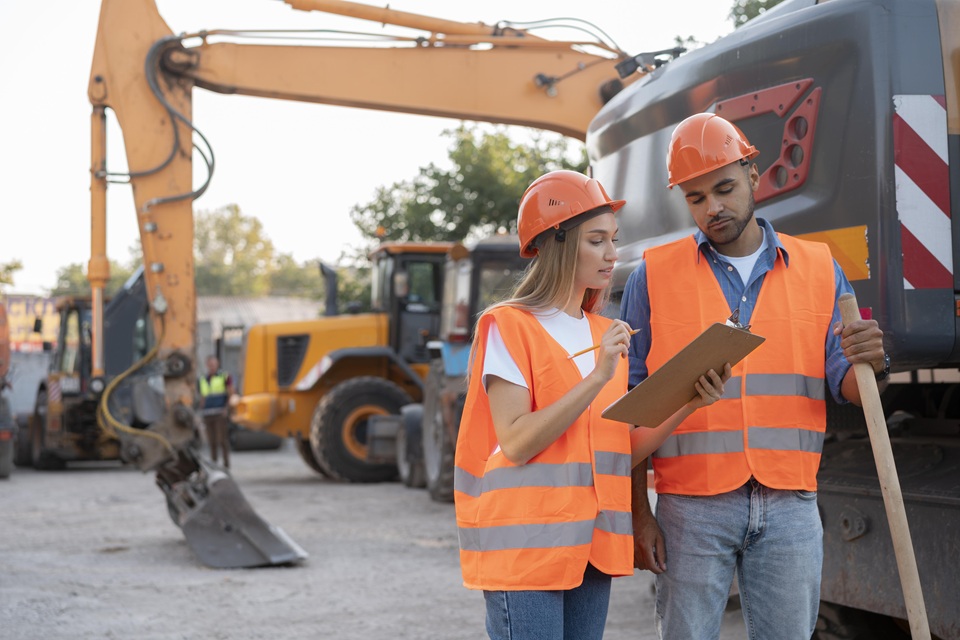
In the rapidly evolving world of construction, the decision to rent or purchase equipment can significantly impact project timelines, budgets, and success rates. Construction professionals are finding that renting equipment offers flexibility, efficiency, and significant cost savings, making it an attractive option for many projects. Before moving forward, it is wise to understand how to maximize the benefits of equipment rental for your operations. Project managers looking to streamline their workflow can explore offerings at One Call Rentals to ensure they have access to the right resources for every phase of the job.
Adopting a careful, informed approach is critical for any project manager who wants to avoid unexpected costs, delays, or safety issues. By assessing specific project requirements first and carefully selecting rental partners, managers will set their projects up for smooth progress from start to finish. Regardless of project size, the right rental equipment can help maintain efficiency and provide major financial benefits compared to outright ownership. The following sections offer a thorough guide to every aspect of the construction equipment rental process.
Table of Contents
Assessing Project Needs
Before initiating any equipment rental, it is crucial to identify your project’s unique requirements. Start by thoroughly reviewing the scope of work to determine which tasks require specialized equipment. This may involve consulting with your site supervisors, engineers, or even equipment operators to list the exact machinery needed. Duration also matters; estimating how long each piece will be required prevents wasteful rental periods.
Site conditions are another important consideration, since factors such as ground firmness, site elevation, and accessibility can affect which types of equipment are appropriate. Being specific about your site’s limitations ensures you choose machinery that fits well with the project environment and avoids costly transportation or handling challenges.
Financial Considerations
Renting equipment can offer numerous financial benefits compared to buying. The most obvious advantage is the elimination of hefty upfront investments. Capital that would have been tied up in equipment purchases can instead be allocated to other aspects of the project, like labor or material upgrades.
Maintenance and storage costs are also dramatically reduced. Most rental agreements include regular maintenance, so project managers avoid the headache of unexpected repair bills. When equipment is no longer necessary, there is no need for long-term storage arrangements. Additionally, rental expenses are typically tax-deductible as operational costs, further improving your bottom line.
 Choosing The Right Rental Partner
The success of your equipment rental strategy hinges on the reliability of your rental partner. Equipment quality should be at the top of your checklist. Always verify that machinery is up to date and well-maintained. Inquire about the age of the assets and, if possible, request maintenance logs. This assures you that breakdowns, which can halt productivity, are minimized.
Checking equipment availability in advance helps avoid scheduling conflicts and keeps your project on track. Equally important are the support services a rental partner provides. Look for companies that not only deliver on schedule but also provide operator safety training and prompt assistance when issues arise.
Understanding Rental Agreements
Rental contracts can be complex, but reading them in detail is essential to avoid unwelcome surprises. Make sure the rental period is precise to avoid additional charges for exceeding the scheduled use. Understanding the pricing structure, including overtime or delivery fees, helps avoid hidden costs down the line.
Liability is another important factor. One of the best ways to safeguard your project is to clarify who is responsible for damages or on-site equipment issues. Also, confirm that you have insurance coverage in place before using rented machinery.
Prioritizing Safety & Compliance
Safety should never be compromised when renting construction equipment. Always inspect equipment thoroughly upon delivery, checking for visible signs of wear, malfunction, or incomplete safety features. Assign a qualified supervisor to oversee this process and document all findings. Additionally, every operator should be fully trained and, where necessary, certified to operate the specific equipment type in use. Regular training sessions help reduce risk on the job site.
Ensuring compliance with local safety standards and regulations is also key. This protects your crew from accidents and shields your project from potential legal complications.
Leveraging Technology In Equipment Rental
Modern technology brings powerful new tools to construction equipment rental. Many rental companies offer digital platforms for project managers to browse available equipment, check inventory, and manage reservations with ease. This digital approach saves time compared to manual methods and enables better asset tracking.
Another technological advancement is telematics. Many machines are now equipped with telematics systems that report on location, usage, fuel consumption, and maintenance needs. This real-time data stream helps managers keep tabs on their fleet, optimize equipment use, and anticipate service requirements before they become critical.
Planning For Equipment Maintenance
Even though most rentals include a maintenance plan, it remains the project manager’s responsibility to ensure regular checks are conducted. Scheduling routine inspections with the provider and documenting completed work can help keep machines operating at peak efficiency. If a problem or malfunction is detected, report it immediately to your rental company to facilitate fast repairs or replacements and prevent extended downtime.
Maintenance planning is ultimately about safeguarding your schedule and protecting your budget from unplanned disruptions.
Conclusion
Renting construction equipment empowers project managers to maximize efficiency, minimize costs, and stay flexible in a competitive marketplace. By carefully assessing project requirements, working with reputable rental partners, prioritizing safety, embracing technology, and planning maintenance, you set your projects on a path toward seamless execution and successful outcomes. With the right strategy and trusted equipment providers, you can ensure every construction phase is well-supported, timely, and within budget.