
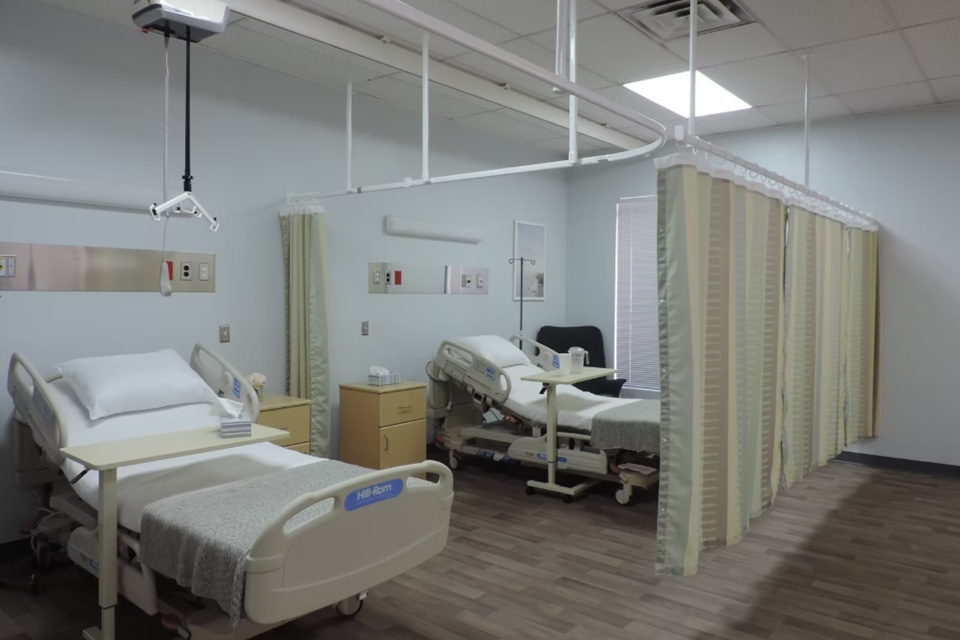
In an era where patient privacy remains paramount, healthcare facilities are increasingly turning to leading-edge technologies and facility upgrades to safeguard sensitive information. Solutions that blend physical separation, such as hospital cubicle curtains with advanced digital security tools, are creating a more robust approach to confidentiality. The evolution of privacy measures is driven by the rapid digitization of health records, telemedicine, and patient data management, which challenges providers to keep pace with ever-changing cybersecurity and regulatory demands.
Modern healthcare privacy strategies require a delicate balance between accessibility, patient comfort, and information security. Implementing the latest solutions enhances not only compliance with industry standards but, most importantly, instills a sense of trust among patients who expect their data and personal well-being to be handled with utmost care. This article examines how facilities are enhancing privacy standards by combining digital and environmental strategies.
Table of Contents
Embracing Cloud-Based Security
Cloud-based security has become a cornerstone for future-ready healthcare organizations. A majority of facilities are migrating large volumes of physical security data to cloud storage to leverage its scalability and the ability to respond quickly to increasing regulatory requirements and security concerns. Cloud platforms often come equipped with real-time threat detection and compliance management, making them attractive for institutions aiming to boost both operational efficiency and cybersecurity. According to a report published by Security Sales & Integration, nearly 68% of healthcare leaders plan to deepen their investments in cloud-based security solutions over the next year and a half.
AI-Powered Surveillance Systems
Artificial intelligence is revolutionizing the way healthcare facilities monitor their premises and protect sensitive spaces. With facial recognition, behavioral analytics, and real-time alert capabilities, AI-powered surveillance does more than capture footage—it assesses activity patterns, detects anomalies, and escalates alerts long before a human operator could react. These proactive systems enable healthcare settings to minimize physical breaches and ensure the safety of both staff and patients. Leading hospital security teams now combine AI surveillance with controlled access to high-security zones to further tighten overall protection.
Federated Learning For Data Privacy
Federated learning presents a privacy-preserving approach to artificial intelligence that respects the confidentiality of patient data. Rather than centralizing data in a single repository, federated learning enables hospitals to train AI models collaboratively without transferring or exposing sensitive data. This decentralized method enables leading-edge diagnostics and medical imaging models without vulnerable data sharing, aligning with HIPAA and global privacy laws.
Blockchain Technology In Healthcare
Blockchain technology is emerging as a highly promising solution for protecting patient records and verifying the integrity of healthcare transactions. With its decentralized and immutable ledger, blockchain can securely log access and updates to patient data, minimize the risk of tampering, and offer complete transparency across the chain of custody. As more healthcare providers explore blockchain pilots, experts predict heightened safeguards for everything from medication logs to insurance claims processing.
Implementing Zero-Trust Security Models
The zero-trust security approach fundamentally reshapes how access is managed in healthcare settings, including hospitals and clinics. Instead of trusting devices or users based solely on their location in a network, zero-trust models enforce rigorous identification and verification at every step. This is particularly crucial as telehealth, mobile health apps, and remote access proliferate. Zero-trust architectures make unauthorized data access significantly more difficult, ensuring that sensitive health information is defended from both external and insider threats. Healthcare cybersecurity specialists recommend zero-trust as an industry best practice for securing electronic patient health records and medical devices.
Smart Building Technologies
The integration of smart building technologies is transforming environmental security within hospitals. Automated lockdown systems, motion-triggered alarms, and interconnected command centers empower response teams to intervene immediately in the event of a breach. These innovations not only safeguard patients in emergency scenarios but also create quieter, more controlled treatment environments for privacy and rest. As healthcare environments become more complex, the fusion of physical and digital security is redefining best practices for facility management.
Using VPNs For Secure Online Consultations
Privacy-conscious healthcare professionals are increasingly relying on Virtual Private Networks (VPNs) when conducting telehealth appointments or reviewing sensitive records off-site. VPNs encrypt internet traffic and cloak IP addresses, making it significantly more difficult for interception or unauthorized access to occur. This extra layer of security is invaluable for ensuring that patient details remain confidential, even when consulted from remote locations or across unsecured networks, reinforcing compliance with modern privacy regulations.
Conclusion
As digital transformation in healthcare accelerates, the need for holistic privacy solutions becomes more pressing. A blend of cloud adoption, AI surveillance, federated learning, blockchain security, zero-trust frameworks, smart building advances, and secure consultation practices positions healthcare organizations to lead in patient protection. By staying ahead of privacy trends, facilities not only meet regulatory obligations but also foster environments where patients feel safe, respected, and confident in their care.