
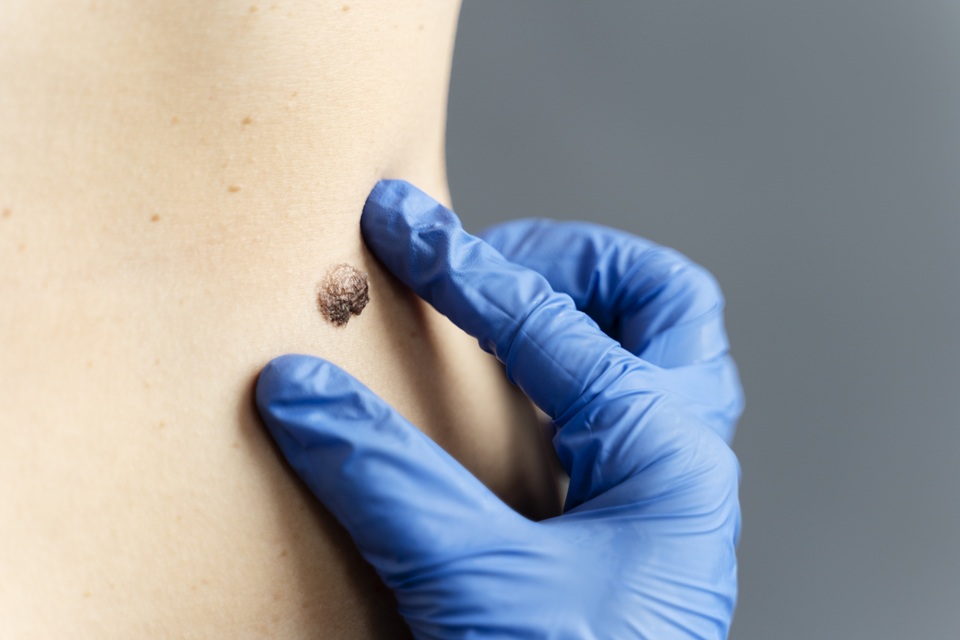
Do you know that a single mole can contain up to 40,000 pigment-producing cells? Face mole removal treatments offer both laser and surgical options depending on the mole’s depth, size, location, and whether tissue analysis is needed. Laser treatment works through concentrated light beams that vaporize pigmented cells layer by layer, while surgical excision cuts out the entire mole including its root structure. Each face mole removal Singapore method produces different healing patterns, scar appearances, and outcomes for removal.
Facial moles present unique considerations due to the face’s visibility and delicate skin structure. The choice between laser and surgery affects not only immediate results but also long-term skin texture, pigmentation changes, and the possibility of mole regrowth.
Table of Contents
Laser Mole Removal Process
CO2 lasers and Q-switched lasers target mole tissue through different mechanisms. CO2 lasers create controlled thermal damage that vaporizes water in skin cells, removing the mole layer by layer. The dermatologist adjusts laser intensity based on mole thickness, typically requiring 10-15 minutes per mole. Local anesthetic numbs the area before treatment begins.
Q-switched lasers target melanin pigment without damaging surrounding tissue. These lasers deliver energy in nanosecond pulses that shatter pigment particles, which the body’s immune system then removes over several weeks. Flat, pigmented moles respond to Q-switched technology, though multiple sessions spaced 4-6 weeks apart may be necessary.
During laser treatment, patients feel warmth and mild stinging despite numbing cream application. The laser creates a shallow wound that forms a scab within 24-48 hours. This scab protects the healing tissue underneath and naturally falls off after 7-10 days. New pink skin appears beneath, gradually matching surrounding skin tone over 3-6 months.
Laser removal suits flat or slightly raised moles measuring under 5mm diameter. Moles with uniform pigmentation and clear borders respond more predictably than those with irregular coloring. The technique cannot retrieve tissue for pathological examination, making it inappropriate for suspicious moles requiring biopsy.
Surgical Excision Methods
Shave excision removes moles protruding above skin level using a surgical blade parallel to the skin surface. The dermatologist numbs the area with lidocaine injection, then shaves the mole flush with surrounding skin. This technique takes approximately 5-10 minutes and is suitable for raised moles without deep roots. The shallow wound typically heals within 10-14 days, often leaving minimal scarring.
Punch excision uses a circular cutting tool to remove the entire mole including its base. After numbing, the dermatologist rotates the punch tool through all skin layers, extracting a cylindrical tissue sample. Small punches (2-4mm) may heal without sutures, while larger ones require 1-2 stitches. This method allows complete mole removal and provides tissue for histological analysis.
Full surgical excision involves cutting an elliptical shape around the mole with a scalpel, removing it along with a margin of normal tissue. The dermatologist closes the wound with sutures placed either beneath the skin (absorbable) or on the surface (requiring removal after 5-7 days). This approach allows complete removal of deep-rooted moles and comprehensive pathological examination.
Did You Know?
Surgical excision can remove multiple adjacent moles through a single incision, reducing overall scarring compared to treating each mole individually.
Scarring & Healing Outcomes
Laser treatment typically produces circular hypopigmented or hyperpigmented marks where moles existed. These marks fade gradually but may remain slightly visible as texture differences or color variations. Darker skin types face higher risks of post-inflammatory hyperpigmentation lasting 6-12 months. Sun protection during healing influences final appearance.
Surgical shave excision leaves flat, round scars matching the original mole diameter. These scars initially appear pink but fade to skin color within several months. The skin surface remains smooth without indentation.
Excision with sutures creates linear scars extending beyond the original mole borders. Surgical technique orients these scars along natural skin tension lines, which may improve their eventual appearance. Fine-line scars from precise suturing often become less visible after complete maturation at 12-18 months.
Keloid-prone individuals face different scarring risks with each method. Laser treatment rarely triggers keloid formation due to its superficial nature. Surgical excision, particularly with tension on closure, may stimulate excessive scar tissue in predisposed patients. Previous scarring history guides method selection for these individuals.
Face Mole Removal Considerations
Facial moles near the eyes, nose, or mouth require modified approaches due to anatomical constraints. Laser treatment provides control around delicate structures like the eyelid margin or nostril edge. The non-contact nature of laser energy prevents distortion of facial features during treatment.
Surgical excision on the face requires careful planning to minimize visible scarring. Incisions follow relaxed skin tension lines – horizontal on the forehead, radial around the mouth, and along nasolabial folds. These strategic placements allow scars to blend with natural facial creases and expression lines.
Tropical climate affects post-procedure healing through year-round sun exposure and high humidity. Laser-treated areas require sun avoidance for several months to prevent pigmentation irregularities. Surgical sites need moisture balance – enough to prevent scab cracking but not excessive dampness that delays healing.
Important Note
Facial mole removal near beard areas in men requires consideration of future shaving trauma to healing sites and potential scar visibility changes with facial hair growth patterns.
Recovery Timeline Differences
Laser treatment creates superficial wounds healing through secondary intention. Days 1-3 involve oozing and crusting, requiring gentle cleansing with saline solution twice daily. Antibiotic ointment application continues until scabbing completes. By day 7-10, scabs detach naturally revealing pink new skin. Complete healing with color normalization extends 3-6 months.
Shave excision sites follow similar healing patterns but with less pronounced scabbing. The shallow wound depth allows faster re-epithelialization, typically completing within 7-10 days. Residual pinkness fades over 2-3 months. Daily activities resume immediately, though contact sports wait 2 weeks.
Sutured excisions heal through primary intention with edges held together. Suture removal occurs at days 5-7 for facial sites. The incision line remains red and firm for 6-8 weeks during collagen remodeling. Scar maturation continues 12-18 months, with most improvement occurring in the first 6 months.
Return to work timelines vary:
- Laser patients often resume activities within 24 hours with concealer makeup
- Shave excision allows immediate return with bandage coverage
- Sutured excisions may warrant 2-3 days off for facial swelling reduction, particularly around the eyes
Recurrence Risk Factors
Laser removal carries higher recurrence rates for deeply rooted moles. Incomplete destruction of nevus cells at the dermis base allows regrowth, appearing as pigmented spots within the treatment area months to years later. Recurrent moles often display irregular pigmentation patterns differing from the original appearance.
Surgical shave excision may leave deep mole roots intact, particularly for compound or intradermal nevi. Recurrence manifests as raised bumps or pigmented areas at the original site. These recurrences typically appear within the first year post-treatment.
Complete surgical excision with adequate margins provides lower recurrence rates. The technique removes all mole cells including those extending into deeper tissue layers. Pathological examination confirms clear margins, reducing recurrence risk for benign moles.
Quick Tip
Photographing moles before removal creates valuable reference images for monitoring the treatment site and detecting any unusual changes during follow-up.
Cost & Session Requirements
Laser mole removal costs vary with mole size and number of required sessions. Single-session treatments for small, flat moles offer predictable pricing. Larger or darker moles requiring multiple laser sessions accumulate higher total costs. Each session builds on previous results, gradually lightening the mole.
Surgical excision typically involves single-procedure complete removal with defined costs including local anesthesia, procedure, and suture materials. Pathology fees add to surgical costs but provide diagnostic value. Follow-up visits for suture removal and scar assessment are usually included.
Face mole removal factors in location-specific considerations like specialized facial sutures and cosmetic closure techniques. Facial procedures often warrant appropriate suture materials and careful technique, reflected in pricing structures.
What Our Dermatologist Says
Mole assessment goes beyond choosing removal technique. We evaluate each mole’s clinical features, considering asymmetry, border irregularity, color variation, and diameter. Suspicious characteristics mandate surgical excision with histopathology regardless of cosmetic preferences.
For benign facial moles, we discuss lifestyle factors affecting healing – outdoor workers need different post-procedure plans than office workers. Patients with history of hypertrophic scarring benefit from preventive silicone gel application starting immediately after healing.
The method depends entirely on individual circumstances. A small flat mole on the cheek suits laser treatment well. A larger raised mole near the nasolabial fold may achieve good results with surgical excision along the natural crease.
Commonly Asked Questions
Can all moles be removed with laser?
Laser suits flat or minimally raised moles with regular pigmentation and clear borders. Deep-rooted moles, those requiring biopsy, or moles with irregular features need surgical removal. Certain locations like the scalp or areas with hair growth respond poorly to laser treatment.
Will mole removal leave a permanent mark?
All removal methods create some degree of marking, though appearance improves over time. Laser leaves color or texture changes that fade. Surgery creates linear scars that mature and soften. Appropriate wound care and sun protection can help optimize cosmetic outcomes.
How many laser sessions do facial moles typically need?
Small, light-colored moles may clear in one session. Darker or thicker moles commonly require 2-4 treatments spaced 4-6 weeks apart. Each session reduces pigmentation progressively. Your dermatologist can assess response after each treatment to determine if additional sessions may provide benefit.
Can removed moles grow back darker or larger?
Incompletely removed moles may recur but rarely exceed original size or darkness. Recurrence typically appears as partial pigmentation within the treatment area. Complete surgical excision with clear margins can help prevent regrowth. Any changing pigmentation warrants dermatological evaluation.
Is numbing necessary for laser mole removal?
Patients tolerate laser treatment with topical anesthetic cream applied 30-45 minutes beforehand. Sensitive areas like around the lips may benefit from injectable lidocaine. Pain perception varies individually, but laser sensation is described as rubber band snaps with mild burning.
Next Steps
Laser removal suits small, flat facial moles when cosmetic outcome takes priority and biopsy isn’t needed. Surgical excision provides complete removal with tissue diagnosis for suspicious moles or those with deep roots. Your specific mole characteristics, scarring tendency, and diagnostic needs determine the optimal treatment approach.
If you have moles showing irregular borders, changing colors, or increasing size, consult an MOH-accredited dermatologist for professional evaluation and appropriate treatment recommendations.