
Key Takeaways:
- Modern window and door designs balance visual appeal and functionality for today’s homes.
- Technological innovations support sustainability and energy savings.
- New door and window systems facilitate open, adaptable spaces and connect indoors with outdoors.
- Personalization and security are cornerstones of the latest designs.
In today’s homes, windows and doors play a much more dynamic role than simply providing access or letting in light. Thanks to rapid advances in technology and design, these foundational elements now set the tone for aesthetics, comfort, and environmental responsibility. By selecting modern Window and Door Components, homeowners can greatly enhance the functionality and beauty of their living environments while adapting to evolving needs and preferences. The transformation of window and door systems has inspired homeowners and architects to reimagine the flow and feeling of domestic spaces. With newly available options, from expansive glass walls to advanced locking mechanisms, today’s choices are reshaping the way people connect with their surroundings. These innovations improve energy efficiency, enable sweeping outdoor views, and support sustainable living, all while maintaining robust security and individualized design.
Equally important is the ability of modern systems to maximize natural light and foster seamless movement between indoor and outdoor areas. Not only do contemporary windows and doors boost curb appeal, but they also enhance indoor comfort and support wellness by bridging the gap between the indoor and natural worlds. The solutions on the market today reflect a commitment to combining sustainability, technology, and personal expression. One area where these benefits converge is the rise of Insulated Glass Products. These products underscore the trend toward energy-efficient, sustainable construction and further demonstrate the versatility and innovation present in modern window and door design.
Table of Contents
Enhancing Natural Light & Space
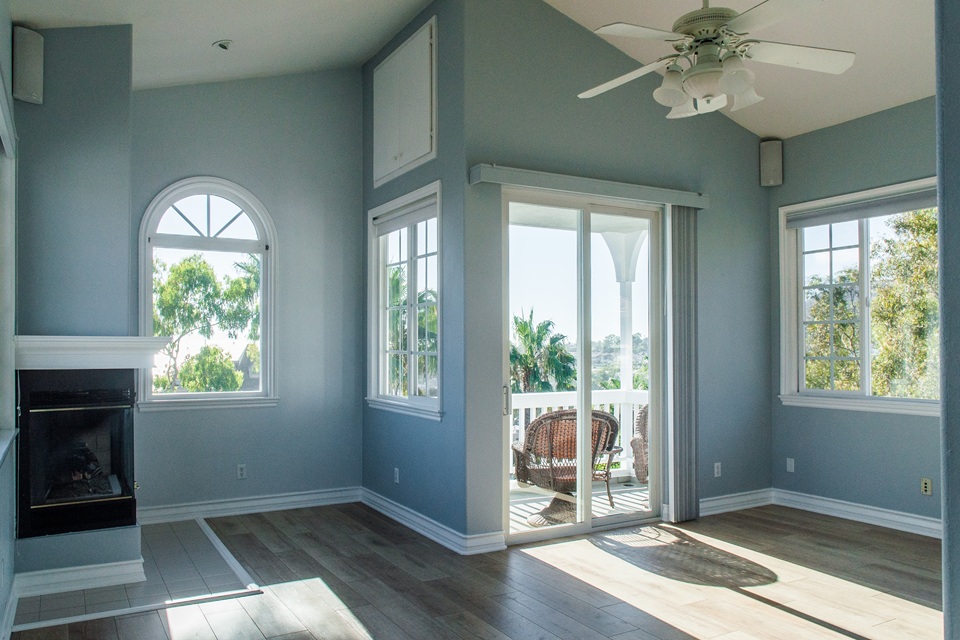
Incorporating natural light is central to creating a welcoming, comfortable home. Contemporary architecture often opts for large glass panels, clerestory windows, and sliding or folding glass doors that brighten spaces and visually expand interiors. Increased exposure to sunlight has been shown to elevate mood and productivity, and it also forges stronger connections between the inside and the landscape outdoors. Utilizing advanced glass options ensures that the benefits of natural light are balanced with insulation and UV protection.
Energy Efficiency & Sustainability
Today, energy conservation is a top priority for homeowners and builders alike. Window and door manufacturers are increasingly using double- and triple-glazing, low-emissivity (Low-E) coatings, and thermally broken frames to minimize heat loss and reduce energy bills. The shift toward sustainable sourcing, such as choosing recycled aluminum or responsibly harvested wood, helps to lower environmental impact. These advances turn windows and doors into active contributors to a home’s sustainability goals, helping meet higher energy-efficiency standards.
Seamless Indoor-Outdoor Transitions
Blurring the separation between indoor comfort and the natural world outside is a defining trend in modern design. Expansive sliding doors, folding glass walls, and lift-and-slide systems allow for wide, unobstructed openings that unite patios, balconies, or gardens with main living areas. Zero-threshold designs make for effortless transitions and improved accessibility. This approach not only expands the usable footprint of a home but also maximizes ventilation and creates scenic sightlines.
Smart Technology Integration
Emerging smart home technologies are increasingly featured in window and door products. Glass that tints automatically in response to sunlight, motorized window treatments, and sensors that control ventilation or notify homeowners of open windows all contribute to a more efficient, automated household. These technologies provide greater control over comfort, security, and energy management, allowing homes to respond automatically to changes in weather, occupancy, or air quality.
Personalization & Aesthetic Appeal
With endless options for finishes, hardware, and glass styles, modern windows and doors offer more customization opportunities than ever before. From steel-framed doors for a minimalist effect to textured glass and unique muntin patterns for added privacy or flair, these products serve as key visual elements. Homeowners can tailor their selections to complement architectural style, color palettes, or the specific needs of each room, ensuring their home reflects their vision down to the smallest detail.
Enhanced Security Features
Advancements in window and door locking mechanisms now make it easier to balance aesthetics with safety. Multi-point locks, reinforced frames, laminated or impact-resistant glass, and integrated alarms deliver superior security without detracting from a home’s style. These features are particularly important for ground-floor windows or large openings commonly used in modern indoor-outdoor designs, ensuring peace of mind in addition to curb appeal.
Future Trends In Window & Door Design
The years ahead are set to bring even greater integration of technology and sustainability. The continued adoption of dynamic glass, the expansion of recycled and renewable material use, and the development of wellness-oriented design (including daylight optimization and air quality management) are expected trends. Homes will become increasingly customized, energy independent, and responsive to environmental conditions, with new window and door products at the heart of these changes.
Conclusion
Modern advances in window and door components reflect an ongoing shift toward spaces that seamlessly combine beauty, safety, efficiency, and sustainability. By embracing contemporary design and technology, homeowners can create living environments that are not only visually stunning but also adaptable, secure, and environmentally conscious for years to come.