
Smart water-heating technology is transforming how households control daily comfort and efficiency. Modern systems incorporate advanced sensors, adaptive heating, and connectivity to track usage habits and modify output accordingly. These improvements help reduce energy waste, maintain stable temperatures, and enable homeowners to align their consumption with actual demand better. Features like remote monitoring and automated scheduling provide a straightforward way to manage hot water without requiring continuous manual intervention.
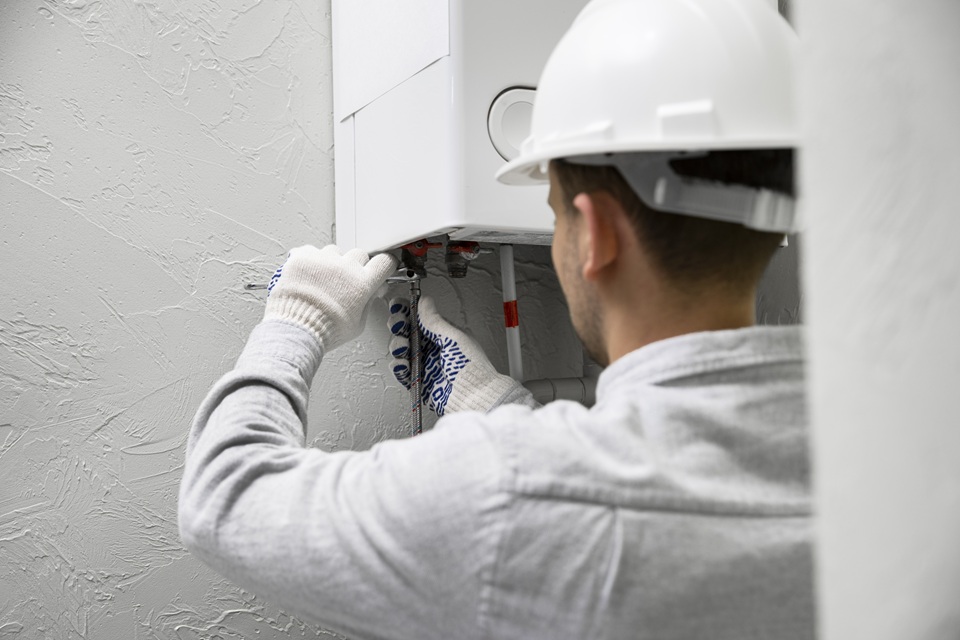
As these technologies evolve, they also highlight the importance of proper setup and safe configuration. In many regions, including those offering professional water heater installation across Utah, homeowners are turning to qualified technicians to ensure systems are installed correctly and meet local requirements. This helps new units operate at peak performance while minimizing safety concerns. By pairing smart capabilities with reliable installation practices, households can fully leverage modern water-heating advancements in a balanced and practical manner.
Table of Contents
Enhanced Energy Efficiency
Smart water heaters incorporate innovative technology to enhance efficiency and minimize waste. The heat pump water heater (HPWH) extracts heat from the air to warm water, making it more energy-efficient than conventional electric models. It operates similarly to a refrigerator but in reverse, using compressors and refrigerant systems. The U.S. Department of Energy states that HPWHs can consume up to 60% less energy, lowering utility bills and their carbon footprint.
Smart systems enhance energy efficiency by using scheduling and learning algorithms. They track hot water use and heat only what is necessary, preventing unnecessary standby heating and utilizing off-peak electricity rates. This automation reduces operating costs, particularly for larger households or those with irregular schedules, by adapting to usage patterns, minimizing human errors, and more effectively managing expenses.
Remote Control & Monitoring
Connectivity drives the smart water heater revolution. Integrated Wi-Fi and smart home compatibility enable remote control, allowing you to adjust temperature, schedule tasks, activate energy-saving modes, and receive real-time updates on your smartphone. This enables preheating, leak detection, and system monitoring from any location, promoting proactive management, enhanced safety, and improved efficiency. Families can also review their usage data and receive advice on how to lower energy use and costs.
Integration With Smart Home Systems
Advanced water heaters easily connect with smart home systems, allowing control via voice assistants such as Amazon Alexa or Google Assistant. They integrate with energy management and automation platforms to enhance efficiency by coordinating with solar panels, batteries, or smart thermostats. This configuration enhances convenience, reduces user errors, and promotes sustainable energy consumption, making homes safer and more environmentally friendly.
Predictive Maintenance & Anomaly Detection
Smart water heaters don’t just provide hot water—they safeguard your investment. Embedded sensors and sophisticated machine learning algorithms monitor every aspect of performance, including temperature consistency, heating cycles, leak detection, and signs of sediment buildup. This constant vigilance means the system is always on the lookout for anomalies that may indicate an impending problem. When such issues arise, the homeowner receives an immediate alert, prompting timely maintenance actions that dramatically reduce the risk of unexpected outages, hefty repair bills, or water damage. Proactive maintenance can extend an appliance’s lifespan and improve performance, making smart heaters a wise investment for long-term reliability and peace of mind. By tackling emerging issues early, you minimize disruptions and ensure the heater functions at its best for many years.
Cost Savings & Incentives
Investing in a smart water heater provides both immediate savings and ongoing benefits. Many top-efficiency models qualify for federal tax credits and local utility rebates, helping to lower initial costs and make the technology more accessible. Over time, significant energy savings result in reduced monthly bills, adding up considerably. These financial incentives motivate energy-conscious consumers to choose eco-friendly appliances, speeding up the shift toward greener homes and communities. Although tax credits and rebates vary by region, they are generally accessible, so it’s wise to verify current offers and criteria through reputable sources. Combined with the dependability and reduced upkeep of smart units, the argument for switching is more persuasive than ever.
Future Trends In Smart Water Heating
Future trends in smart water heating indicate a significant shift towards renewable energy integration and improved technology. Key advancements include compatibility with home solar systems and the use of artificial intelligence for accurate demand forecasting. Future smart water heaters are expected to enhance inter-device communication, support utility demand response programs, and be constructed from sustainable materials. These innovations aim to reduce costs, enhance user comfort, and enable remote control of the hot water supply, positioning smart water heaters as essential for future-ready homes.
Final Takeaway
Smart water heaters continue to transform the way households manage comfort, efficiency, and long-term savings. With evolving features, intelligent monitoring, and growing integration with home energy systems, these technologies offer a practical path toward more sustainable daily living. As innovations progress, smart water heating is poised to play an even larger role in building efficient and future-ready homes.