
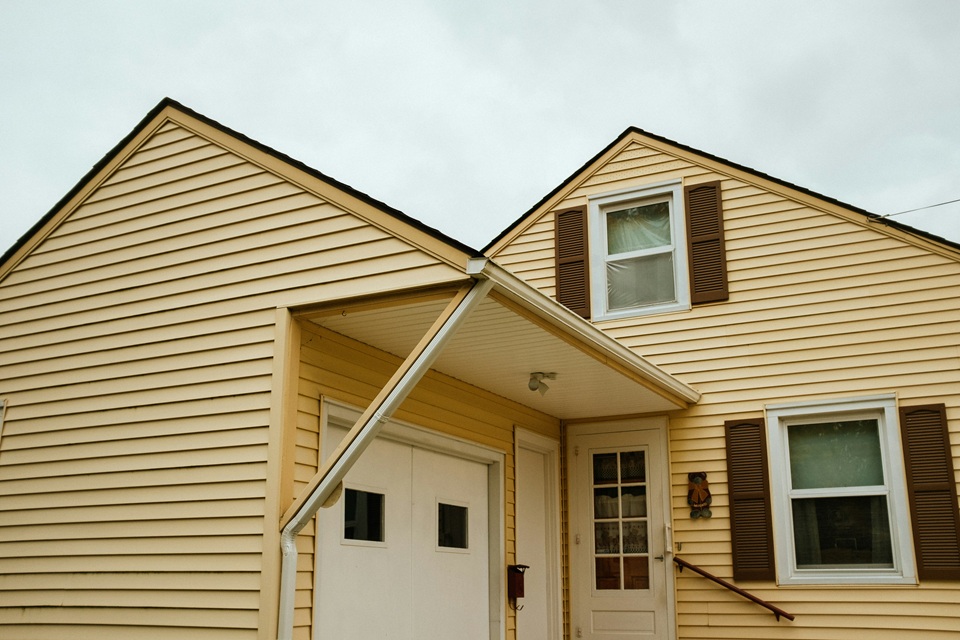
The rise of quick home sales is reshaping the traditional real estate process. With changing market demands and evolving consumer preferences, more homeowners are choosing speed and convenience over the lengthy process of listing, staging, and negotiating. This shift reflects a growing desire for efficiency, especially among sellers facing time-sensitive situations like job relocations or financial transitions.
One significant factor contributing to this trend is the increasing presence of cash buyers Honolulu and similar direct-purchase models in various markets. These buyers often streamline the transaction by skipping appraisals, inspections, and financing delays. As a result, the process becomes faster and less stressful for sellers. While not every situation is suited for a quick sale, it’s important to understand how this approach fits into the broader landscape of real estate today.
Table of Contents
The Rise Of Quick Home Sales
The real estate market has shifted in recent years, with quick home sales becoming more common across various regions. Homeowners are increasingly drawn to streamlined selling options that bypass traditional listings, open houses, and prolonged negotiations. This trend reflects a growing demand for convenience and flexibility in an unpredictable housing market.
For example, a quick sale in Hawaii may reflect broader changes in seller behavior and market dynamics. Sellers prioritize speed and simplicity, often choosing alternatives that reduce waiting times and upfront costs. While this approach isn’t right for every situation, it signals how real estate adapts to new consumer expectations. As buyers and sellers adjust, quick home sales will likely play a lasting role in the future of property transactions.
Factors Driving Faster Sales
- Technological Innovations: Virtual tours, AI-driven platforms, and interactive online listings allow buyers to view, evaluate, and even submit offers remotely. Companies specializing in instant buying remove much of the manual work, providing sellers with quick, competitive offers while bypassing conventional middlemen.
- Market Demand: Housing inventory shortages in many regions have intensified competition. Motivated by the fear of missing out, buyers act swiftly, pushing average days on market to historic lows and encouraging sellers to adopt more agile approaches.
- Economic Conditions: Interest rate fluctuations and economic uncertainty spur buyers to lock in purchases quickly, leading to a surge in demand for immediate, uncomplicated transactions.
Implications For Sellers
Sellers should adopt competitive pricing strategies to attract motivated buyers while maintaining high professionalism in staging and photography. Digital marketing, including high-quality photos, detailed descriptions, and video tours, can expand reach to a broader buyer base. Working with dedicated investors or large-scale cash buyers can provide speed and certainty, especially for homeowners facing life transitions or financial deadlines. This approach can help eliminate financing, inspection, and property sale contingencies.
Implications For Buyers
- Get Pre-Approved: Ready financing puts buyers in a better negotiating position and signals seriousness to sellers. In a market where hesitation means risk, pre-approval is all but mandatory.
- Make Quick but Informed Decisions: An accelerated market pace means buyers must act decisively. Perform due diligence swiftly and be prepared to submit competitive offers quickly.
- Flexibility and Openness: Expanding criteria regarding neighborhoods, property types, or renovation needs can increase chances of success, especially in competitive metro areas or high-demand islands.