

Key Takeaways:
- Act quickly to preserve evidence and protect your rights following an accident.
- Medical documentation and accident reports play a vital role in supporting your claim.
- Insurance adjusters look out for their company’s interests; consult a legal professional before making statements.
- Social media posts about your accident can be misinterpreted and potentially harm your case.
- A clear understanding of your insurance coverage is essential for realistic claim outcomes.
After an accident, the aftermath can be chaotic. Many people may not be sure what steps to take as they recover from injuries and navigate conversations with insurance companies. Understanding the personal injury claims process is key to protecting your rights and ensuring you have the best chance at obtaining fair compensation. Whether you are seeking “injury lawyers near me” or simply trying to understand your legal options, getting informed early can make a significant difference.
Personal injury claims are designed to help victims recover financially after suffering harm due to someone else’s negligence. From medical appointments to insurance negotiations, knowing what to expect empowers you to make informed decisions and avoid critical missteps. Below you’ll find details on key steps in the claims process, common mistakes to watch for, and why professional guidance can be invaluable.
Table of Contents
 Seek Medical Attention Promptly
Immediate medical care is crucial even if your injuries seem minor. Many injuries, including concussions or soft tissue damage, can have delayed symptoms. Not only does early treatment protect your health, but it also ensures your injuries are documented by a medical professional. Insurance companies may question the validity of your claim if there is a delay in seeking treatment, so prompt action strengthens your case immensely.
Document The Accident Scene Thoroughly
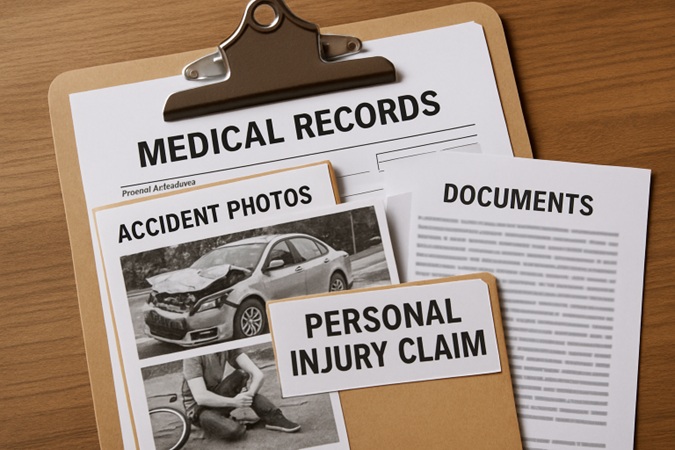
Thorough documentation can make or break your injury claim. Take clear photos of the scene, any vehicle or property damage, road or weather conditions, and all visible injuries. Secure witness names and contact details, and always request a formal police report. These steps will help support your version of events and can be especially important if liability is later disputed.
Avoid Admitting Fault Prematurely
It is natural to express regret or apologize after an accident, but any statement that could be interpreted as admitting fault should be avoided. Fault is a complex legal question that needs to be established through a detailed investigation of all available evidence. Stick to objective facts when speaking with police, witnesses, or insurance representatives. Let attorneys and insurance adjusters evaluate who is responsible based on the evidence.
Consult A Legal Professional Before Speaking To Insurance Adjusters
Insurance companies often act quickly after accidents. Adjusters may seem sympathetic, but they are trained to minimize payouts. Do not provide recorded statements or sign any documents without consulting a personal injury lawyer. Involving a legal professional early in the process can prevent you from making statements or agreements that could limit the compensation you might receive.
Be Cautious About Sharing On Social Media
Resist the urge to discuss your accident, injuries, or claim on social media. Insurance companies and defense attorneys frequently monitor online accounts to find grounds to dispute claims. Even seemingly harmless posts or photos could be misinterpreted and used to undermine your case. Safeguard your privacy until your claim has been resolved.
Understand Your Insurance Policy
Take time to carefully review your insurance policy after an accident. This includes understanding coverage limits, exclusions, and procedures for filing a claim. If anything is unclear, seek clarification from your provider or a legal professional. Failure to understand your policy can lead to unpleasant surprises about what is or is not covered. Resources like NerdWallet’s auto insurance guide can help you review and interpret your coverage.
Follow Medical Advice & Keep Records
Carefully follow your doctor’s treatment and rehabilitation recommendations. Skipping appointments or discontinuing treatment early can harm your health and weaken your injury claim. Maintain organized records of all appointments, treatments, prescriptions, and out-of-pocket expenses. This documentation provides essential evidence of the accident’s impact on your life and supports your financial recovery.
Conclusion
Understanding personal injury claims and taking the right steps after an accident can significantly impact your legal rights and the compensation you may receive. Prompt medical attention, proper documentation, careful communication, and legal guidance will protect your interests throughout the claims process. If you or a loved one has been involved in an accident, take swift action to safeguard your future and ensure you receive the support and recovery you deserve.