
Key Takeaways:
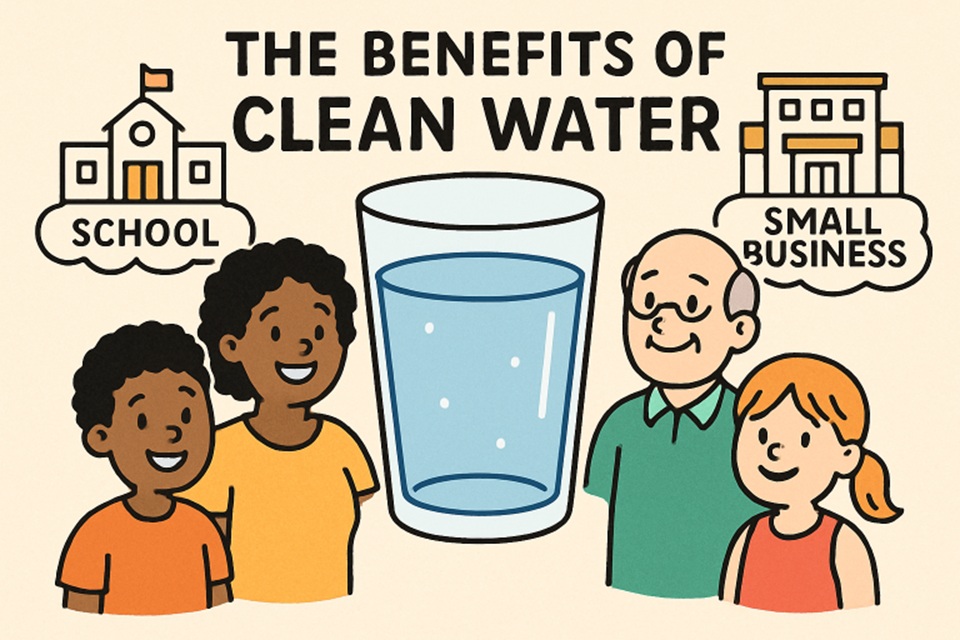
- Improved water quality reduces the prevalence of waterborne diseases.
- Access to clean water enhances educational and economic opportunities.
- Technological advancements are pivotal in monitoring and improving water quality.
Access to clean water is a cornerstone of public health, economic growth, and overall well-being across communities. The difference made by high-quality water doesn’t just end with what is poured in a glass—it positively ripples through nearly every aspect of daily living. Whether it’s about safeguarding your family’s health, supporting local businesses, or improving your everyday comfort, prioritizing water quality has transformative effects. Residents who recognize the importance of water treatment & filtration in Gaithersburg – local specialists enjoy both immediate and long-term benefits, all while contributing to a healthier environment.
Numerous studies underline the critical global significance of clean water. The World Health Organization indicates that 2.2 billion people lack access to safe drinking water, which affects health, education, and community stability. While developed regions may overlook water quality, worldwide vigilance and innovative policies are vital. Enhanced water infrastructure yields benefits beyond immediate access, such as reduced healthcare costs and increased educational opportunities, thereby boosting economic activity and community empowerment. Both government and individual efforts are essential for effective water management, which includes purification, education, infrastructure maintenance, and emergency preparedness.
Table of Contents
Health Benefits Of Clean Water
Consuming unsafe water is strongly associated with a range of severe health problems, including gastrointestinal diseases, parasitic infections, and other waterborne illnesses. Improved water quality is one of the leading contributors to lower infant mortality rates, increased life expectancy, and fewer healthcare costs. Research from the Centers for Disease Control and Prevention shows that access to safe water and sanitation is essential for preventing at least 9% of the world’s diseases and 6% of all deaths globally. Better water quality and improved sanitation and hygiene practices can reduce water-related deaths by over 20%, bringing peace of mind and better living conditions for families everywhere.
Economic & Educational Opportunities
Clean water is fundamental for educational and economic advancement. In many communities worldwide, particularly in developing countries, women and children are tasked with walking miles to fetch water daily, which robs them of the time otherwise dedicated to school or paid work. World Bank data shows that reducing the time spent fetching water by just half can increase school attendance among girls by 12%. Improved water quality and access are directly linked to poverty reduction, as healthcare costs less burden families and can pursue income-generating ventures with greater success.
Technological Innovations In Water Quality Monitoring
The drive for improved water safety has spurred significant technological innovation recently. Internet of Things (IoT) systems and smart sensors now offer real-time, continuous monitoring of essential water quality indicators, including pH levels, temperature, and turbidity. These technologies enable immediate responses to pollution events, equipment malfunctions, or natural disasters threatening water sources. In municipal and commercial settings, automated testing, digital reporting, and predictive analytics allow water utilities to intervene before small issues escalate into widespread problems.
Community-Based Water Purification Initiatives
Grassroots projects have successfully improved water access and safety in underserved areas. From installing low-cost filters to running communal water stations and educating residents, these initiatives drastically reduce the rates of waterborne illness. For example, community-driven programs in sub-Saharan Africa have resulted in a 40% decline in diarrhea-related clinic visits. By emphasizing local engagement, these efforts make clean water more sustainable and encourage healthier habits across the population.
Environmental Impact Of Improved Water Quality
Maintaining clean water improves human health and protects the environment. Polluted water systems endanger plant life, animal habitats, and the biodiversity necessary for stable, resilient ecosystems. When rivers, lakes, and groundwater sources are kept clean, they support thriving fisheries, improved soil quality, and the natural cycles that benefit agriculture and recreation. Cleaner waterways reduce the need for expensive remediation projects, lower municipal water treatment costs, and foster more livable neighborhoods for all.
Policy & Infrastructure Development
Sustainable water improvements rely on policy and infrastructure investments. Effective government action and private sector initiatives ensure adequate funding for maintenance, upgrades, and emergency response. Modern water treatment plants, robust distribution systems, and strict monitoring standards help cities and towns cope with rapid population growth and changing climate patterns. Equally important, clear policies based on data and science provide the backbone for equitable water access now and in the future.
Conclusion
Reliable access to clean water transforms every aspect of daily life. By combining technology, grassroots organization, and sound policy, communities can enjoy improved health, educational opportunities, economic growth, and a cleaner environment. An ongoing commitment to water quality is one of the most important investments a society can make for itself—and for generations to come.