

Water damage poses serious financial and health risks, often starting silently and becoming apparent only after significant harm is done. It’s essential to understand how water intrusion occurs and how to spot early signs. Prompt action can be the difference between a simple fix and a major restoration. Both minor leaks and large-scale flooding demand quick, informed decisions. Partnering with professionals ensures expert help from the beginning. This guide offers prevention tips, early warning signs, immediate response strategies, and key insurance insights to help homeowners safeguard their property.
Table of Contents
Common Causes Of Water Damage
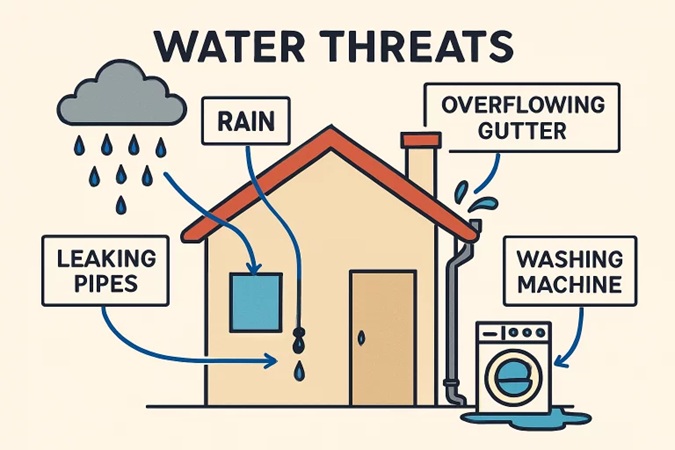
Water damage typically results from hidden yet preventable sources. Leaky pipes often deteriorate due to age, corrosion, or freezing, leading to slow, undetected leaks. Appliance malfunctions, such as burst hoses or failed seals in washing machines or water heaters, can cause flooding in areas quickly if left unchecked. In such cases, prompt assistance from professionals specializing in water restoration Cincinnati can make a significant difference in minimizing damage and preventing further issues. Roof leaks may arise from storms, falling debris, or old shingles, allowing water to penetrate and cause mold or structural issues. Natural disasters, including floods and storms, can overwhelm home defenses, making preparation and insurance essential. Understanding these threats is crucial for prevention and rapid response.
Preventive Measures
Routine maintenance significantly lowers the risk of water damage in any home. Conduct regular inspections of plumbing, roofs, and attics, especially after storms. Keep gutters and downspouts clean to direct rainwater away from the foundation and prevent basement leaks. Use water detection devices under sinks or near appliances to get real-time alerts for potential leaks. Design landscaping to slope away from your home and avoid planting trees too close to underground plumbing. These proactive steps can protect your property and reduce costly repairs.
 Early Detection Signs
Identifying water damage early can significantly reduce repair costs and prevent major disruptions to your household. Key signs to watch for include:
- Stains and Discoloration: Yellow, brown, or dark marks on ceilings, walls, and floors often signal slow leaks behind surfaces, especially if they grow, soften, or crack over time.
- Musty Odors: Persistent musty smells, particularly in basements or unused rooms, may point to hidden moisture and mold, even before visible growth appears.
- Warped or Buckled Flooring: Swelling, raised edges, or soft spots in flooring typically indicate moisture rising from underneath due to leaks or humidity.
- Unexplained Increase in Water Bills: A sudden spike in water usage without a clear cause may indicate a concealed plumbing leak, making regular bill checks essential for early detection.
Immediate Steps Upon Discovery
Acting without delay is the single most crucial aspect of minimizing the extent of any water damage. By acting swiftly, you can minimize structural damage, limit mold growth, and reduce restoration costs. If you discover a water issue:
- Identify and Stop the Source: Quickly trace water back to its origin. If a pipe or appliance is leaking, turn off the individual shutoff valve, or if necessary, use your home’s main water shutoff. The sooner the source is isolated, the less damage accumulates. In cases of natural flooding, consult emergency authorities before entering inundated areas.
- Remove Standing Water: Extract pooled water using a wet/dry vacuum, pump, towels, or mops. Removing as much water as possible within the first several hours significantly reduces the likelihood of significant structural decay and prevents deeper absorption into wood, drywall, or insulation.
- Dry Affected Areas: Circulate air using portable fans, open windows (if weather permits), and deploy dehumidifiers to draw out lingering moisture from porous surfaces. Hand-drying as many items as possible and elevating furniture off wet floors further helps inhibit mold and mildew formation.
- Clean and Disinfect: All surfaces that have come into contact with water—especially from contaminated sources—must be thoroughly cleaned and treated with anti-microbial solutions to prevent bacteria and toxic mold from spreading. For additional guidance, refer to the Environmental Protection Agency’s detailed “Mold Cleanup in Your Home” resource.
If the damage appears extensive, it’s wise to contact a professional water restoration company to assess and manage the situation appropriately. Document everything with photos and videos for insurance purposes before beginning cleanup. Lastly, notify your insurance provider as soon as possible to begin the claims process efficiently.
Insurance Coverage
Navigating homeowners’ insurance after experiencing water damage can be confusing, as coverage varies widely depending on the policy, cause, and timing of the damage. Most policies exclude losses due to gradual wear and tear, poor maintenance, or pre-existing conditions. Still, they may cover sudden events such as burst pipes, accidental overflows, or certain types of internal leaks. Flooding caused by external sources is almost always excluded unless you have separate flood insurance, which is especially vital in high-risk areas. It’s wise to review your policy details annually, seek clarification on exclusions, and consider purchasing additional riders or flood protection if recommended. In the aftermath of water damage, contact your insurer as soon as possible, document every aspect of the damage with photos and notes, and retain all receipts for emergency repairs or professional services. This diligence helps maximize your reimbursement and smooth the claims process. More tips on disaster response and preparation are available on Ready.gov’s water safety page. If you’re unsure about your coverage, speaking with a licensed insurance agent can provide clarity tailored to your specific situation. Being proactive now can make all the difference when facing an emergency later.
Conclusion
Consistent vigilance, regular home maintenance, and swift intervention serve as the pillars of successful water damage prevention and recovery. By inspecting high-risk areas, maintaining landscaping and drainage, staying alert to unusual signs, and knowing precisely how to respond in an emergency, you safeguard your home’s structure, market value, and the well-being of your loved ones. Should damage exceed what you can handle, never hesitate to reach out to reliable professionals for help, and regularly confirm that your insurance offers enough coverage for your situation. With information, foresight, and action, you can weather any water-related crisis with confidence.

