
Table of Contents
The Foundation: Essential Mechanical Maintenance
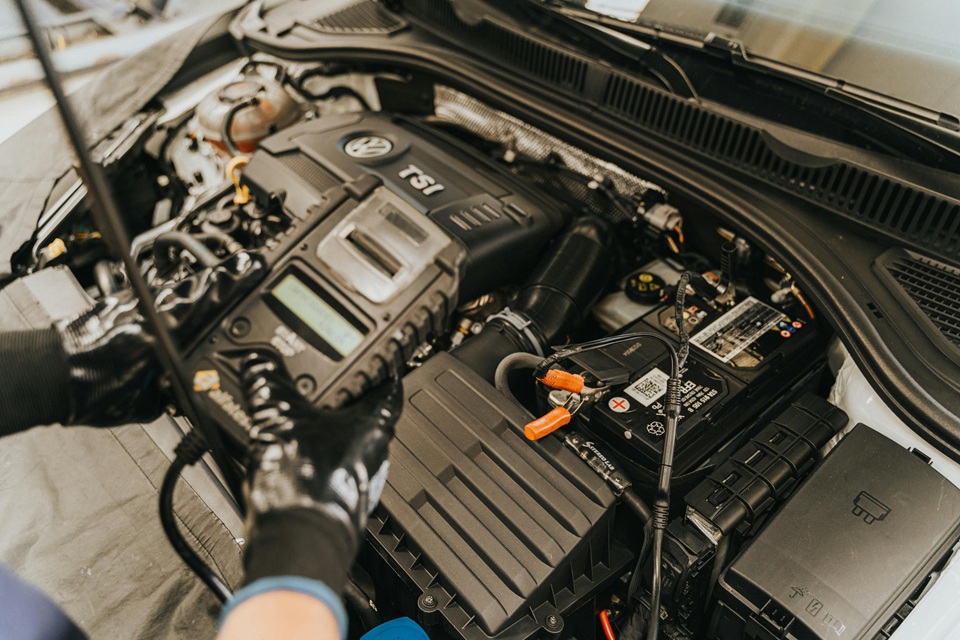
At the heart of every reliable vehicle lies a foundation of well-maintained mechanical components. Neglecting these core systems can lead to a cascade of problems, compromising safety, performance, and ultimately, your wallet. Understanding the basics of what keeps your car running smoothly is the first step in effective vehicle care. From the lifeblood of your engine to the critical connection your tires have with the road, each element plays a vital role.
 The Core Four: Essential Fluid Checks
Your vehicle relies on a variety of fluids, each serving a specific purpose, from lubrication and cooling to hydraulic power. Regularly checking these fluid levels and ensuring their quality is paramount.
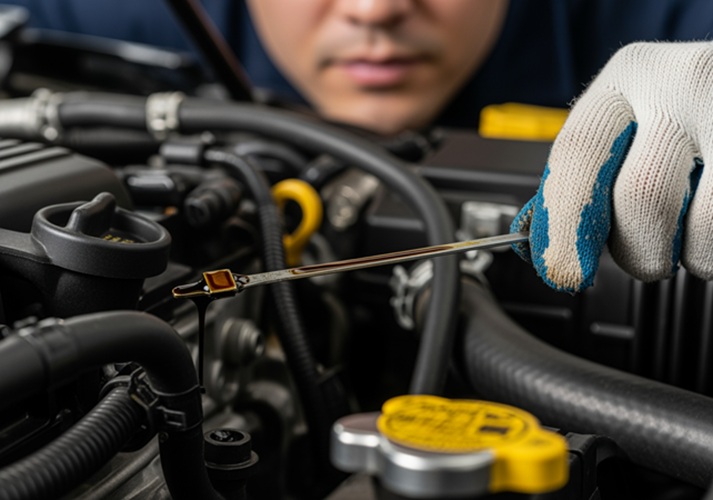
- Engine Oil: Often referred to as the engine’s lifeblood, oil lubricates moving parts, reduces friction, and helps dissipate heat. Checking your oil level regularly (e.g., monthly or every other gas fill-up) and changing it according to your manufacturer’s recommendations (typically every 5,000 to 7,500 km, or every three months) is non-negotiable. Low or dirty oil can lead to severe engine damage.
- Coolant (Antifreeze): This fluid regulates your engine’s temperature, preventing it from overheating in summer and freezing in winter. Check the coolant reservoir level monthly and ensure it’s at the recommended mark. Using the correct type and mixture (often a 50/50 blend of coolant and distilled water) is crucial, as different coolants are not interchangeable.
- Brake Fluid: A hydraulic fluid that transfers the pressure from your brake pedal to the brake calipers, stopping your vehicle. Low brake fluid can indicate worn brake pads or a leak in the system, both serious safety concerns. Check the reservoir level monthly and have any drops investigated immediately by a professional.
- Transmission Fluid: This fluid lubricates, cools, and cleans the transmission components. For automatic transmissions, check the fluid level with the engine warm and running, and the car in park. Consult your owner’s manual for specific instructions, as procedures vary. Manual transmissions typically require less frequent checks.
- Power Steering Fluid: Ensures smooth and easy steering. Check its level with every oil change. If the level is consistently low, it could signal a leak in the power steering system.
Maintaining optimal fluid levels and quality is a simple yet effective way to prevent costly repairs and ensure your vehicle operates safely and efficiently.
Tires: Your Connection To The Road
Your tires are the sole point of contact between your vehicle and the road, making their condition critical for safety and performance.
- Tire Pressure: Incorrect tire pressure affects handling, fuel efficiency, and tire lifespan. Check your tire pressure monthly, and always before long trips or when carrying heavy loads. The recommended pressure is usually found on a placard inside your driver’s side door jamb, not on the tire itself.
- Tread Depth: Adequate tread depth is essential for grip, especially in wet or snowy conditions. Most new tires have tread wear indicators, but you can also use the “toonie check” (or penny test in the US): if the tread covers the bear’s paws on a toonie (or Lincoln’s head on a penny), your tread is still good. If it’s exposed, it’s time for new tires.
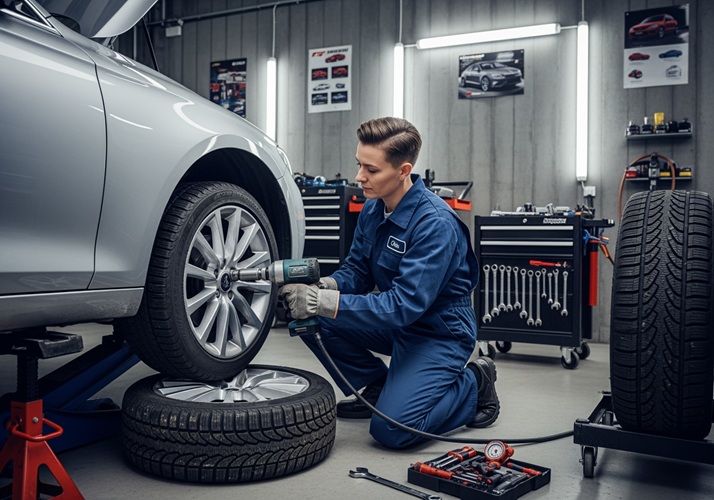
- Rotation Schedules: Regular tire rotation (typically every 5,000 to 8,000 miles or with every other oil change) ensures even wear across all four tires, extending their lifespan and maintaining balanced handling.
- Wheel Alignment: Proper wheel alignment ensures your tires are pointing in the right direction. Misalignment can cause uneven tire wear, poor handling, and reduced fuel economy. If you notice your vehicle pulling to one side or uneven tire wear, have your alignment checked.
- Signs of Wear: Beyond tread depth, look for cuts, bulges, cracks, or embedded objects. Any of these could indicate a compromised tire that needs immediate attention.
Brakes, Battery, & Belts
These three components are fundamental to your vehicle’s operation and safety.
Brake Pad Inspection: Your brakes are your primary safety system. Listen for squealing or grinding noises, which often indicate worn brake pads. Have your brake system inspected annually or if you notice any changes in braking performance, such as a spongy pedal or longer stopping distances.
Battery Terminal Cleaning: A corroded battery terminal can hinder your vehicle’s electrical system, leading to starting problems. Regularly inspect battery terminals for corrosion (a white or bluish powdery substance) and clean them with a wire brush and a mixture of baking soda and water. Ensure cable connections are secure.
Serpentine Belt Check: This single belt powers multiple accessories like the alternator, power steering pump, and air conditioning compressor. Inspect it for cracks, fraying, or excessive wear. A failing belt can lead to a sudden loss of power to these systems.
Signs of Failure & Warning Lights: Pay attention to any dashboard warning lights, especially the “Check Engine,” “Brake,” or “Battery” indicators. These are your vehicle’s way of communicating a problem that needs attention. Unusual noises, smells, or changes in how your car drives are also critical signs not to ignore.
DIY Vs. Professional Service
Many routine maintenance tasks can be performed by car owners, saving money and fostering a better understanding of your vehicle. However, some tasks require specialized tools, expertise, and diagnostic equipment best left to professionals.
DIY Tasks You Can Handle:
- Checking fluid levels (oil, coolant, brake fluid, power steering fluid, washer fluid).
- Checking tire pressure and tread depth.
- Replacing windshield wiper blades.
- Inspecting lights and replacing bulbs.
- Checking and replacing cabin air filters.
- Checking and replacing engine air filters.
- Cleaning battery terminals.
- Washing and vacuuming your vehicle.
For more complex issues, diagnostic challenges, or repairs involving critical safety systems (like brakes or steering), it’s always best to seek professional help. A reputable mechanic can provide comprehensive vehicle care that ensures all systems are functioning correctly and safely. They have the advanced diagnostic tools and training to identify and fix problems that might be invisible to the untrained eye. Knowing your limits and when to call in the experts is a key part of responsible vehicle ownership.
Your Proactive Vehicle Care Schedule
Establishing a consistent maintenance schedule is like giving your vehicle a personalized health plan. It ensures timely attention to wear-and-tear items, catches minor issues before they escalate, and keeps your car performing at its best. While your owner’s manual is the ultimate guide for your specific make and model, a general framework can help you stay on track.
 Monthly Checks
These quick checks can be done in your driveway and are crucial for early detection of potential problems.
- Tire Pressure Check: As discussed, maintaining correct tire pressure is vital for safety, tire longevity, and fuel economy. Do this monthly, and always before long trips.
- Fluid Level Inspection: Check your engine oil, coolant, brake fluid, and power steering fluid levels. Top up as needed and note any consistent drops, which could indicate a leak. Don’t forget your windshield washer fluid!
- Light Functionality Test: Ensure all exterior and interior lights are working: headlights (high and low beams), taillights, brake lights, turn signals, hazard lights, and interior dome lights.
- Wiper Blade Condition: Inspect your wiper blades for cracks, tears, or stiffness. Replace them if they leave streaks or chatter across the windshield, as clear visibility is paramount for safety.
Quarterly & Bi-Annual Tasks
These tasks dig a bit deeper and are often tied to mileage intervals as well.
- Oil and Filter Change Intervals: While some modern vehicles can go longer, a general guideline is to change your engine oil and oil filter every three months or every 5,000-7,500 km. Factors like driving conditions (e.g., heavy city driving, towing) can necessitate more frequent changes.
- Tire Rotation: Rotate your tires every 5,000-8,000 miles (or roughly every six months) to promote even wear and extend their lifespan. This often coincides with an oil change.
- Deeper Fluid Inspections: Beyond just checking levels, this is a good time to assess the condition of your transmission fluid (if applicable) and consider a brake fluid flush every two years or so, depending on your manufacturer’s recommendations.
- Battery Test: Have your battery tested, especially before extreme weather seasons. A professional can check its charge and overall health, helping you avoid an unexpected breakdown.
Annual Professional Inspections
Once a year, a thorough professional inspection can uncover issues that might go unnoticed during routine checks.
- Brake System Evaluation: A comprehensive inspection of pads, rotors, calipers, and brake lines.
Suspension Check: Evaluation of shocks, struts, and other suspension components for wear, which impacts ride comfort and handling. - Exhaust System Inspection: Look for leaks, rust, or damage that could lead to dangerous carbon monoxide fumes entering the cabin or reduced engine performance.
- Alignment Check: Even if you don’t notice pulling, an annual alignment check can prevent premature tire wear and ensure optimal handling.
Seasonal Preparedness
Adapting your vehicle care to the changing seasons is crucial, especially in regions with diverse climates.
- Winterizing:Winter Tires: If you live in an area with snow and ice, dedicated winter tires offer superior grip and safety once temperatures consistently drop below 7°C (45°F).
- Antifreeze: Ensure your coolant mixture is appropriate for freezing temperatures to prevent engine damage.
Battery Check: Cold weather puts extra strain on batteries. Have yours tested to ensure it can withstand the drop in temperature. - Wiper Blades & Washer Fluid: Install winter-specific wiper blades and use a winter-grade washer fluid that won’t freeze.
- Summer Prep:AC System: Have your air conditioning system checked for proper function and refrigerant levels.
Coolant Levels: Ensure coolant levels are optimal to prevent overheating in hot weather. - Tire Pressure: Heat can increase tire pressure, so monitor it closely. Also, inspect tires for any signs of heat-related stress.
By following a structured maintenance schedule, you can significantly prolong your vehicle’s life, improve its safety, and ensure a more enjoyable driving experience year-round.
Beyond The Engine: Exterior & Interior Upkeep
While mechanical health is paramount, the appearance and integrity of your vehicle’s exterior and interior also play a significant role in its longevity, your driving enjoyment, and its ultimate resale value. Protecting your paint, preserving the cabin, and even exploring modern customization options are all integral parts of comprehensive vehicle care.
 The Importance Of A Clean Vehicle
More than just aesthetics, regular cleaning is a critical maintenance task.
- Regular Washing: Frequent washing removes dirt, grime, and road salt that can accumulate and cause damage. Aim for at least every two weeks, or more often if you drive in harsh conditions or after exposure to contaminants.
- Removing Contaminants: Bird droppings, tree sap, and bug splatter are highly acidic and can etch into your paint if left for too long. Clean them off as soon as possible using appropriate, gentle cleaning solutions.
- Environmental Factors: Exposure to UV rays, acid rain, and industrial fallout can degrade your vehicle’s finish over time. Regular cleaning helps mitigate these effects.
- UV Protection: Parking in shaded areas or using a car cover can significantly reduce UV damage to both exterior paint and interior surfaces.
- Preventing Rust: Especially in climates where roads are salted in winter, frequent washing, particularly underneath the vehicle, is essential to rinse away corrosive elements and prevent rust formation.
Detailing For Longevity & Value
Detailing goes beyond a basic wash; it’s a thorough cleaning and reconditioning process that protects and preserves your vehicle.
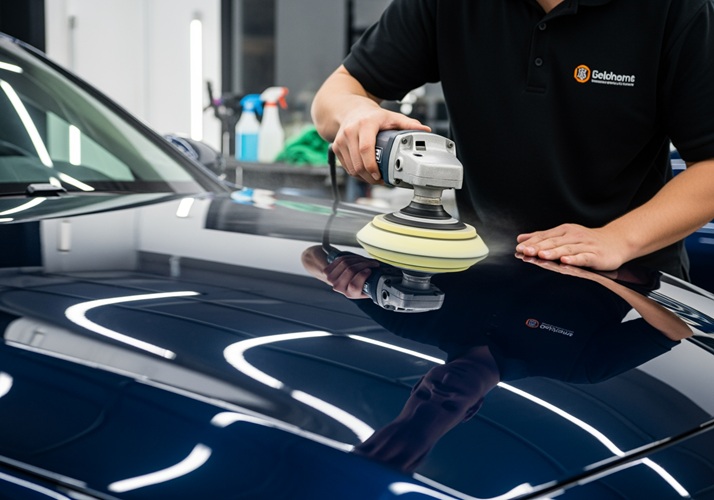
- Waxing and Sealants: Applying a high-quality wax or synthetic sealant provides a protective barrier over your paint, shielding it from UV rays, contaminants, and minor scratches. This also improves gloss and makes future cleaning easier. Aim for waxing every 3-6 months.
- Interior Vacuuming and Cleaning: Regularly vacuuming carpets and upholstery prevents dirt buildup that can wear down fibers. Clean hard surfaces with appropriate interior cleaners to remove dust and grime.
- Protecting Plastic and Leather: Use specialized conditioners and UV protectants on plastic, vinyl, and leather surfaces to prevent cracking, fading, and discoloration caused by sun exposure and daily wear.
- Odor Removal: Address unpleasant odors promptly. This might involve deep cleaning upholstery, using odor eliminators, or replacing cabin air filters. A fresh-smelling interior significantly improves the driving experience and resale appeal.
Customization & Protection: A Modern Approach To Vehicle Care
Beyond traditional paint and interior care, modern solutions offer both aesthetic improvement and additional protection.
- Vinyl Wraps for Paint Protection: A full or partial vinyl wrap can completely transform your vehicle’s appearance while simultaneously providing a protective layer over your original paintwork. This shield guards against minor scratches, stone chips, and UV damage, preserving the factory finish underneath.
- Aesthetic Customization: Wraps offer an unparalleled range of colors, finishes (matte, gloss, satin, metallic), and custom graphics, allowing for unique personalization without the permanence or cost of a repaint.
- Durability of Wraps: High-quality vinyl wraps, when professionally installed and properly maintained, can last anywhere from 3 to 7 years, depending on the material and environmental exposure. They are an excellent way to keep your vehicle looking new or to refresh an older model.
- Importance of Expert Vehicle Wrap Care: Just like paint, vinyl wraps require specific care. Regular, gentle hand washing with mild soap is recommended. Avoiding abrasive cleaners, automated car washes with brushes, and harsh chemicals will extend the wrap’s life. For specialized advice on maintaining your wrapped vehicle, including cleaning techniques and protection tips, consulting experts in expert vehicle wrap care is highly recommended. They can guide you on products and methods to ensure your wrap retains its vibrancy and protective qualities for years.
- Maintenance of Wrapped Surfaces: While wraps are durable, prompt cleaning of contaminants like bird droppings and tree sap is still important. Minor scratches on self-healing wraps can sometimes be reduced with gentle heat.
By integrating these exterior and interior care practices, including modern options like vinyl wraps, you not only maintain your vehicle’s aesthetic appeal but also protect its structural integrity and investment value.
The Payoff: Benefits & Risks Of Vehicle Care
The effort and expense invested in regular vehicle care yield substantial returns, far outweighing the costs of neglect. From ensuring your safety on the road to protecting your financial investment, the benefits are clear and compelling. Conversely, overlooking maintenance can lead to a host of problems, both immediate and long-term.
Maximizing Safety & Reliability
The most critical benefit of consistent vehicle care is improved safety and reliability.
- Preventing Breakdowns: Drivers who follow their vehicle’s recommended maintenance schedule are significantly less likely to experience unexpected breakdowns. Regular checks catch potential failures before they leave you stranded.
- Ensuring Brake Performance: Well-maintained brakes are essential for safe stopping distances. Regular inspections ensure pads, rotors, and fluid are in optimal condition, preventing dangerous brake fade or failure.
- Maintaining Visibility: Properly functioning lights, clear windshields, and effective wiper blades are crucial for visibility, especially in adverse weather conditions, directly reducing accident risk.
- Reducing Accident Risk: A vehicle with properly inflated tires, responsive steering, and reliable engine performance handles predictably, giving you better control and reducing the likelihood of accidents.
Boosting Performance & Fuel Efficiency
Regular maintenance directly impacts how your vehicle performs and how much fuel it consumes.
- Engine Efficiency: Clean air filters, fresh spark plugs, and properly maintained fluid levels ensure your engine runs efficiently, delivering optimal power and smooth operation.
- Proper Tire Inflation: Correctly inflated tires reduce rolling resistance, which can improve your vehicle’s fuel efficiency by up to 4%. This translates to tangible savings at the pump.
- Clean Air Filters: A clogged air filter forces your engine to work harder, decreasing fuel economy. Replacing it regularly ensures your engine breathes easily.
- Fuel Economy Statistics: The Car Care Council estimates that the average driver can save $1,200 or more annually by performing regular maintenance, much of which comes from improved fuel efficiency and avoiding costly repairs.
Protecting Your Investment: Resale Value
Your vehicle is a significant asset, and its value can be preserved, or even increased, through diligent care.
- Maintenance Records: Over 70% of vehicle owners consider maintenance records when purchasing a used car. A comprehensive service history demonstrates responsible ownership and instills confidence in potential buyers.
- Cosmetic Condition: A well-maintained exterior and interior, free from excessive wear, rust, or damage, significantly improves a vehicle’s appeal. As discussed, options like vinyl wraps can keep your vehicle’s original paint pristine, adding to its long-term value.
- Increasing Resale Value: A well-maintained vehicle can increase its resale value by up to 10%. This is a direct financial return on your maintenance investment. Buyers are willing to pay more for a car they know has been cared for.
The High Cost Of Neglect
Ignoring vehicle maintenance is a gamble with potentially severe consequences.
- Minor Issues Becoming Major Repairs: A small fluid leak, if ignored, can lead to catastrophic engine or transmission failure. Worn brake pads, if not replaced, can damage rotors, multiplying repair costs.
- Safety Hazards: Neglected brakes, tires, or steering components pose serious safety risks to you, your passengers, and other road users.
- Reduced Vehicle Lifespan: A lack of proper care accelerates wear and tear, drastically shortening your vehicle’s operational life.
- Unexpected Expenses: Breakdowns are rarely convenient and often come with hefty, unplanned repair bills, towing costs, and the inconvenience of being without your vehicle. Regular maintenance, while an ongoing expense, is predictable and typically far less costly than emergency repairs.
- The message is clear: proactive vehicle care is not an expense, but an investment in your safety, your vehicle’s performance, and your financial well-being.
Frequently Asked Questions About Vehicle Maintenance
How does maintenance differ for new vs. older cars?
The fundamental principles of vehicle maintenance remain the same across all ages of cars, but the focus and frequency can vary significantly:
- New Cars:Warranty Requirements: Adhering strictly to the manufacturer’s recommended service schedule is crucial to maintain your warranty. Skipping services could void it.
- Advanced Electronics: Newer cars often have complex electronic systems that require specialized diagnostic tools for troubleshooting, making professional service more common.
- Synthetic Fluids: Many new vehicles use long-life synthetic oils and fluids, which may extend service intervals but still require regular checks.
- Preventative Focus: Maintenance is primarily preventative, ensuring systems operate optimally from the start.
- Older Cars:More Frequent Checks: Components on older cars are more prone to wear. More frequent visual inspections and fluid checks become essential.
- Wear-and-Tear Items: Focus shifts to replacing parts that naturally wear out over time, such as belts, hoses, suspension components, and seals.
- Potential for Rust: Older vehicles, especially in certain climates, are more susceptible to rust on the undercarriage and body panels, requiring additional attention to cleaning and rust prevention.
- Fluid Leaks: Seals and gaskets can degrade with age, making fluid leaks a more common concern.
- Cost-Benefit Analysis: Owners of older cars often weigh the cost of repairs against the vehicle’s remaining value.
Regardless of age, the owner’s manual remains the best guide, but older cars generally demand more vigilance and a greater likelihood of needing component replacements.
What are the most critical signs of a vehicle problem I shouldn’t ignore?
Your vehicle often gives subtle, or not-so-subtle, clues when something is amiss. Ignoring these signs can lead to more severe and costly problems.
- Unusual Noises:Grinding: Often indicates brake issues (worn pads, metal-on-metal contact) or transmission problems.
- Squealing: Can be worn brake pads, a loose or worn serpentine belt, or a failing power steering pump.
- Clunking/Rattling: Could point to loose suspension components, exhaust system issues, or something amiss in the steering.
- Warning Lights on the Dashboard: The “Check Engine,” “Brake,” “Battery,” “Oil Pressure,” or “Temperature” lights are immediate indicators of a problem that needs attention. Don’t ignore them; get the vehicle diagnosed.
- Smoke from the Exhaust:Blue Smoke: Often indicates burning oil.
- White Smoke (thick): Can signal burning coolant.
- Black Smoke: Typically means the engine is burning too much fuel.
- Leaking Fluids: Puddles under your car are never a good sign. Identify the color and location of the leak to determine the fluid type (e.g., reddish for transmission, yellowish-green for coolant, clear for water from AC).
- Changes in Handling or Braking:Pulling to one side: Could be alignment issues, uneven tire pressure, or brake problems.
- Spongy or hard brake pedal: Indicates a problem with the brake system.
- Vibrations: Can be caused by unbalanced tires, warped brake rotors, or suspension issues.
- Difficulty steering: Low power steering fluid or a failing pump.
Any of these signs warrant immediate investigation by a qualified mechanic.
Where can I find reliable maintenance information for my specific car?
Accessing accurate information is key to effective vehicle care.
- The Vehicle Owner’s Manual: This is the single most important and reliable resource for your specific vehicle. It contains detailed information on maintenance schedules, fluid types and capacities, warning light explanations, and specific operating instructions. Keep it accessible, or find a digital version online.
- Manufacturer Websites: Most automotive manufacturers provide digital versions of owner’s manuals, detailed service schedules, recall information, and sometimes even DIY guides custom to their models.
- Reputable Online Forums and Communities: While these can be great for troubleshooting and getting advice from other owners, always cross-reference information with your owner’s manual or a professional mechanic, as advice can vary in accuracy.
- Trusted Professional Mechanics: A certified and reputable mechanic is an invaluable resource. They can provide personalized advice, perform diagnostics, and offer maintenance plans specific to your vehicle’s age, mileage, and driving conditions. Don’t hesitate to ask them questions about your car’s needs.
Conclusion
Our vehicles are integral to our daily lives, and their care should be treated as an ongoing commitment rather than an occasional chore. As we’ve explored, from the intricate workings of the engine to the protective layers on the exterior, every aspect of vehicle care contributes to its overall health and your peace of mind.
Embracing a holistic approach to “From Maintenance to Makeover” ensures that your vehicle not only performs reliably and safely but also retains its value and appeal over time. By diligently following essential mechanical checks, adhering to a proactive maintenance schedule, and attending to both interior and exterior upkeep, you are making a wise investment.
Remember the statistics: regular maintenance can significantly improve fuel efficiency, prevent costly repairs, and boost your vehicle’s resale value. More importantly, it ensures your safety and the safety of those around you. So, take the wheel with confidence, knowing that your commitment to vehicle care is protecting your investment and ensuring smooth journeys for years to come.