
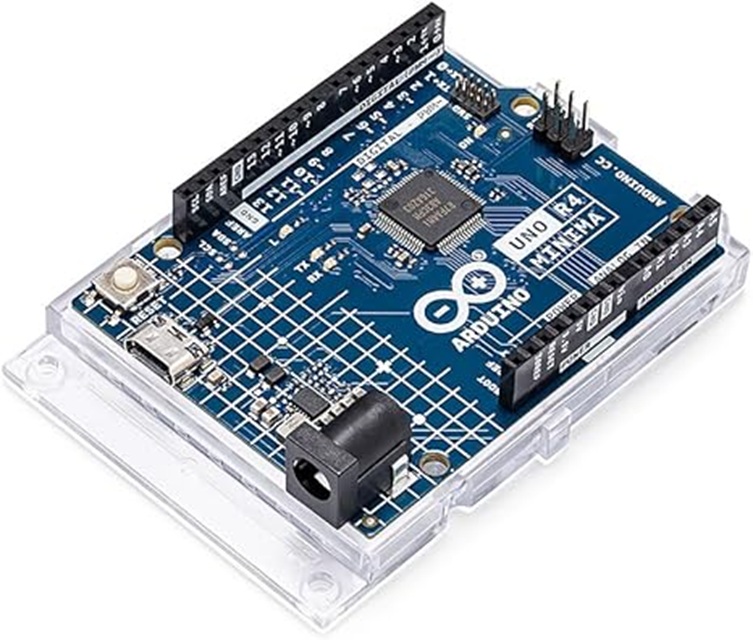
As technology continues to evolve, so does the interest in learning how it works, and Arduino has become a gateway for many to delve into the world of electronics and programming. Arduino starter kits are particularly popular among beginners, offering a comprehensive introduction to the platform. But what exactly do these kits include, and why are they structured in this way? This article explores the contents of Arduino starter kits and discusses their significance for novices embarking on their electronics and programming journey.
Table of Contents
What’s Inside An Arduino Starter Kit?
At their core, Arduino starter kits are designed to provide a hands-on learning experience. They typically contain a microcontroller board, a selection of electronic components, and a project book or guide. Each element serves a specific purpose in teaching the fundamentals of electronics and programming.
- Arduino Board: The cornerstone of any starter kit is the Arduino board itself. Most kits include an Arduino Uno, known for its simplicity, reliability, and versatility. This open-source microcontroller serves as the brain of projects, allowing users to build and control various electronics.
- Electronic Components: Starter kits come packed with a range of components such as resistors, capacitors, LEDs, sensors, and motors. These components are essential for creating circuits and experimenting with different configurations. The variety included in the kit enables users to undertake multiple projects, enhancing their learning experience.
- Wires and Breadboard: Jump wires and a breadboard are crucial for prototyping without soldering. They allow users to easily connect and disconnect components, fostering an environment of experimentation and learning.
- Project Book/Guide: One of the most valuable inclusions in an Arduino starter kit is the project book. It contains step-by-step tutorials that guide beginners through basic projects, gradually introducing more complex concepts. This resource is invaluable for those new to electronics, as it provides clear instructions and explanations.
Why These Inclusions Matter
The thoughtfully curated components in an Arduino starter kit are not random; each has a purpose in the learning process. Here’s why these inclusions are important:
- Comprehensive Learning: The variety of components ensures that users gain a broad understanding of electronics, not just focusing on a single aspect. This comprehensive approach is crucial for building a strong foundation.
- Hands-on Experience: Learning by doing is one of the most effective educational methods. Arduino kits encourage hands-on experimentation, allowing beginners to apply theoretical knowledge practically.
- Project-Based Learning: The inclusion of a project book or guide facilitates project-based learning. By working through real-world projects, users can see the immediate results of their efforts, which boosts motivation and engagement.
- Scalability: The skills and knowledge gained from using an Arduino starter kit are scalable. Once beginners are comfortable with the basics, they can expand their projects and explore more advanced topics, such as IoT or robotics.
Choosing The Right Kit
With multiple options available, selecting the right Arduino starter kit can be overwhelming. For those just beginning their journey, it is essential to choose a kit that matches their educational goals and interest level. Some kits are general, while others may focus on specific areas such as robotics or environmental monitoring. For a comprehensive introduction, consider exploring Arduino kits for beginners that offer a well-rounded package with diverse components and a robust guidebook.
Arduino starter kits are an excellent resource for anyone interested in learning electronics and programming. By providing a curated selection of components and detailed instructional guides, these kits offer a hands-on, engaging way to acquire new skills and knowledge. Whether you’re a hobbyist or an aspiring engineer, an Arduino starter kit is your gateway to a world of innovation and creativity.