

Key Takeaways:
- Technological advancements are streamlining event staffing processes, making recruitment and management faster and more efficient than ever before.
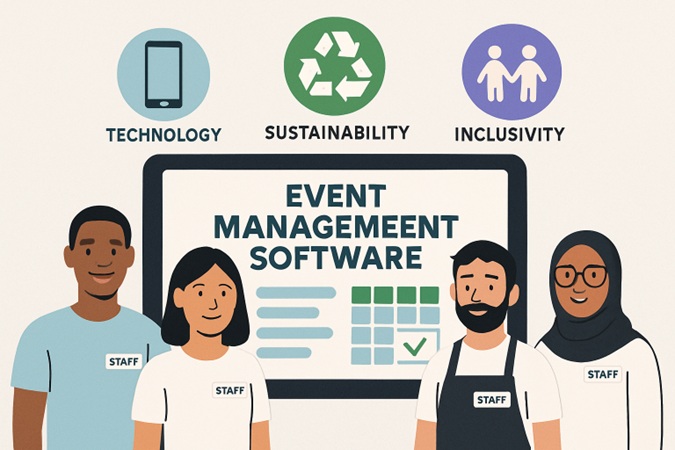
- Sustainability and diversity are becoming central to staffing strategies as organizations seek to build environmentally responsible and socially conscious teams.
- Flexibility and adaptability are essential in addressing labor shortages, helping agencies maintain continuity even when the event landscape shifts unexpectedly.
Event management is experiencing rapid, unprecedented change, particularly in how teams are recruited, trained, and assembled. The industry is quickly moving away from the conventional model of static staff pools and toward adaptable, technology-driven workforce solutions that cater to increasingly complex events. Organizations and planners must now stay agile, leveraging innovative solutions to deliver seamless experiences for guests and stakeholders. It’s no longer enough to have “enough hands simply”—event staffing today demands a multifaceted approach that prioritizes not only numbers, but relevant skills, cultural compatibility, and proactive problem-solving.
For event organizers looking to stay ahead, an in-depth understanding of the shifting event staffing landscape is crucial. Companies such as Assist Marketing exemplify industry leadership in the face of these new event staffing challenges. They are bringing forward innovative solutions through technological integration and strategic flexibility, enabling event organizers to remain nimble in a fast-paced environment. By prioritizing people, processes, and progress, these organizations ensure that their events exceed client expectations, regardless of scale or complexity.
The marketplace for event professionals is no longer just about quickly filling open positions—it’s about optimizing for speed, quality of service, and specialized expertise. Digital recruitment tools, automated onboarding, and modern workforce trends are dramatically reshaping what it means to staff an event in 2025. Navigating and leveraging these emerging trends with insight and agility helps businesses and planners deliver exceptional results, cementing their reputations in a fiercely competitive market.
Table of Contents
Technological Advancements On Event Staffing
Innovative software and AI-driven scheduling tools are setting new standards for staffing events in 2025. Automated check-ins via smartphone apps, robust digital onboarding processes, and cloud-based communication platforms enable immediate team coordination, last-minute adjustments, and transparency across all staffing levels. These technologies not only speed up recruitment and vetting but also help ensure that each event is matched with talent that fits the occasion’s unique requirements and culture. Real-time analytics provide instant feedback and facilitate on-the-spot problem-solving, vastly reducing the risk of understaffing or miscommunication on event day. As highlighted in Forbes, artificial intelligence is quickly transitioning from a competitive edge to an industry staple, affecting everything from staff selection to team dynamics and post-event analytics. Event planners are also using virtual and augmented reality to simulate event spaces and train staff before the event, further improving preparedness and execution.
 Emphasis On Sustainability & Eco-Friendly Practices
Growing environmental awareness is fundamentally reshaping what clients expect from event staff. Event staffing agencies are increasingly under pressure to employ teams that not only understand “green” practices but also actively champion them during event planning and execution. Staff are now routinely trained to minimize waste, encourage the use of biodegradable materials, promote low-impact transportation options, and facilitate energy-efficient event operations. Emphasis is placed on implementing best practices, such as eliminating single-use plastics, supporting electronic ticketing, installing digital signage, and partnering with sustainable vendors. These actions help brands demonstrate a genuine commitment to eco-friendly principles, a feature that resonates strongly with modern event-goers and stakeholders. The growing demand for sustainable event solutions is pushing agencies to overhaul everything from procurement to staff training, fostering an industry-wide shift toward environmentally sound event models. The cascading effect builds trust and brand loyalty as audiences grow increasingly aware of—and vocal about—the sustainability efforts behind the events they attend.
Focus On Diversity, Equity, & Inclusion
Modern event planners now recognize that diverse, inclusive teams genuinely enhance guest experiences and reflect positively on their clients. Staffing agencies are formalizing their commitment to diversity by establishing comprehensive DEI (Diversity, Equity, and Inclusion) guidelines that impact every phase of the staffing process—from recruitment and onboarding through team management and retention. By conducting ongoing DEI training and implementing fair, unbiased hiring practices, agencies create teams that are approachable and relatable to a broad array of attendees. A welcoming, diverse staff helps establish a culture of acceptance, comfort, and belonging, regardless of the event type or audience. Event professionals are now taking a proactive role in ensuring accessibility, representation, and equity by including staff with varied backgrounds, abilities, and perspectives, making DEI an industry best practice.
Addressing Labor Shortages With Flexible Staffing Solutions
The broader labor market continues to face challenges brought on by economic shifts and changing generational priorities, and the event industry is no exception. Event agencies are tackling labor shortages by expanding their talent pools and making staffing more fluid. By blending traditional full-time staff with an array of on-demand options—including freelancers, part-timers, gig workers, and specialized contractors—agencies can rapidly scale teams to address fluctuating event volumes and requirements. Flexible workforce models give agencies the agility to meet last-minute demands or sudden surges effortlessly, which is crucial in a business where calendar dates and attendee estimates can change overnight. This approach also improves job satisfaction and retention, as workers can tailor their roles to fit their lifestyles and professional goals. For event organizers, flexible staffing equates to operational resilience, cost savings, and the ability to maintain quality standards even in unpredictable markets. In addition to providing stability for agencies, it allows organizations to focus on refining processes and developing their core teams for the long term.
Enhancing Guest Experience Through Specialized Roles
Today’s guests expect seamless, exceptional experiences marked by attention to detail and a high level of personalization. Meeting these expectations goes beyond standard event staffing; it requires introducing new, specialized roles and enhancing staff development. For example, technical professionals are now integral to managing streaming, AV, and hybrid event platforms, ensuring virtual and in-person components run synchronously. Additional roles—such as guest ambassadors, sustainability coordinators, wellness monitors, and health and safety officers—are increasingly standard, ensuring each aspect of guest care is proactively managed. These specialized professionals often receive advanced training, enabling them to handle incidents, answer complex questions, and provide tailored support to attendees. Well-staffed events with diverse, skilled specialists deliver smoother operations, fewer bottlenecks, and more memorable event experiences, reflecting well on host organizations and further raising the bar for industry standards.
Adoption Of AI & Data-Driven Decision Making
Data analytics and artificial intelligence are revolutionizing how event staffing is planned and executed. Advanced software now enables agencies to examine performance metrics, attendee demographics, and event outcomes from previous years, providing valuable insights that inform staff planning and resource allocation. Integrated AI tools help predict event needs, generate optimal shifts, and even recommend individualized training or role assignments based on strengths and feedback. Much of this decision-making happens in real time, allowing agencies to adapt quickly to changing conditions and deliver greater efficiency and ROI for clients. Data-driven approaches lead to more consistent outcomes, higher staff satisfaction, and better attendee feedback.
Conclusion
The landscape of event staffing in 2025 is dynamic and fast-evolving, requiring organizations to be more proactive and forward-thinking than ever before. The rapid adoption of new technologies, sustained attention to sustainability, a strong dedication to diversity, and flexible staffing solutions all contribute critically to exemplary event execution. Event professionals who embrace these trends—and continuously invest in training, tools, and staff development—are better positioned to deliver memorable, efficient, and inclusive experiences, no matter the size or type of event. By integrating these innovations, event organizers not only meet their clients’ needs but also raise the bar across the industry.