

Key Takeaways:
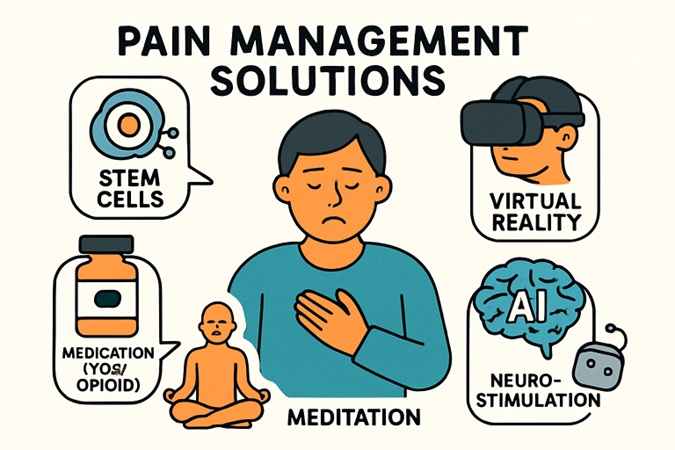
- Emerging therapies like stem cell treatments and virtual reality are providing new hope in chronic pain management.
- Non-opioid medications and mindfulness-based interventions present effective, safer alternatives.
- Technological breakthroughs, such as neurostimulation and artificial intelligence, are reshaping pain relief protocols worldwide.
Chronic pain is a pervasive problem that disrupts the daily lives of millions of individuals, robbing them of comfort and mobility. As understanding deepens and technology advances, the field of pain management is witnessing a surge in innovative solutions. Traditional pain relief options, such as opioid medications, often present limitations and risks, prompting the search for new, safer alternatives. As researchers uncover the complex mechanisms behind chronic pain, healthcare providers now have access to a broader arsenal of evidence-based treatments to support their patients’ journeys to relief. Organizations like Midwest Vascular are helping individuals navigate these modern options with expertise and compassion.
With the introduction of novel therapies, such as stem cell interventions, and the integration of cutting-edge technology, patients have more opportunities than ever to manage their pain safely and effectively. Meanwhile, non-pharmacological methods like mindfulness and neurostimulation appeal to those seeking holistic strategies. Innovative programs and a multidisciplinary approach combine to help patients reclaim their quality of life, tailoring interventions to each individual’s specific needs.
Table of Contents
 Stem Cell Therapies: A New Frontier
Recent progress in stem cell research has brought innovative pain management techniques to the forefront. For example, scientists have utilized neurons derived from pluripotent stem cells to intercept and absorb inflammatory pain signals before they reach the brain. Animal studies have shown not only substantial pain relief but also improved bone and cartilage repair, highlighting the potential for future opioid-free treatments. These breakthroughs remain in preclinical stages, yet they represent a promising direction for those suffering from longstanding pain.
Virtual Reality: Immersive Pain Relief
Virtual reality is rapidly becoming an important tool in chronic pain relief. In a study conducted by the University of Exeter, participants who engaged with immersive VR nature environments experienced measurable decreases in pain sensitivity. Brain imaging revealed that VR could stimulate the mind’s inherent pain-relief systems, resulting in a significant reduction in discomfort beyond the duration of the virtual session. This makes VR especially beneficial for those who may be housebound or unable to enjoy traditional outdoor therapies.
Non-Opioid Medications: Safer Alternatives
The opioid crisis has spurred a surge in research into medications that can deliver effective pain relief without the risk of addiction. The FDA has approved new classes of non-opioid drugs that work by targeting pain-signaling proteins rather than brain receptors, minimizing risks of dependency and other opioid-related side effects. While current evidence suggests these medications are not always stronger than traditional opioid-acetaminophen drugs, they do present new options for patients seeking to avoid narcotics.
Mindfulness Practices: Mind Over Matter
Mindfulness and meditation are time-tested tools for managing persistent pain and promoting emotional healing. Research has shown that regular mindfulness can alter brain areas involved in sensation, learning, and self-regulation, ultimately decreasing the intensity of pain. One common technique is the “body scan,” where individuals sequentially focus attention on each body area, calmly observing sensations:
- Choose a relaxed position, either sitting in a supported position or lying down comfortably.
- Close your eyes and breathe several times deeply to settle your mind.
- Gently shift attention from head to toes, noticing each area without trying to judge or change sensations.
Daily mindfulness practice can foster self-efficacy and resilience, providing effective support for ongoing pain management. Additional strategies can be found through leading organizations like the Mayo Clinic, which offers guidance on practical mindfulness integration.
Neurostimulation: Rewiring Pain Perception
Neurostimulation involves delivering mild electrical signals to areas of the nervous system that process pain. Devices such as spinal cord stimulators can interrupt pain messages before they reach the brain, effectively “masking” chronic pain for conditions including neuropathy and back injuries. These treatments provide an appealing alternative for patients aiming to minimize medication use.
AI In Pain Management: Personalized Care
Artificial intelligence is transforming pain care, providing highly individualized treatment recommendations by tracking patient behaviors and responses in real time. For example, the DETECT framework utilizes smartphone sensor data to objectively compare a patient’s functional activities before and after different treatments. This real-world evidence enables clinicians to identify the most effective interventions for each unique case, moving pain management toward truly personalized care.
Final Thoughts
Chronic pain is a challenging reality for many. With an expanding range of modern treatments, including innovative therapies like stem cell technology, virtual reality, advanced medications, mindfulness, neurostimulation, and AI-guided care, hope is on the horizon. Working closely with pain management experts, individuals can access comprehensive, evidence-based options to reclaim control and enhance daily living. Staying updated on these advances is vital for anyone navigating the journey of chronic pain management.